Serving Long Beach, CA & Surrounding Coastal Communities
Call for Gas Repair: +1 (562) 271-5637
NATURAL GAS SPECIALIST REFERRAL • LONG BEACH, CA

Gas Water Heater Repair in Long Beach, CA

Professional Guidance for Pilot Light, Ignition, Burner, and Hot Water Problems

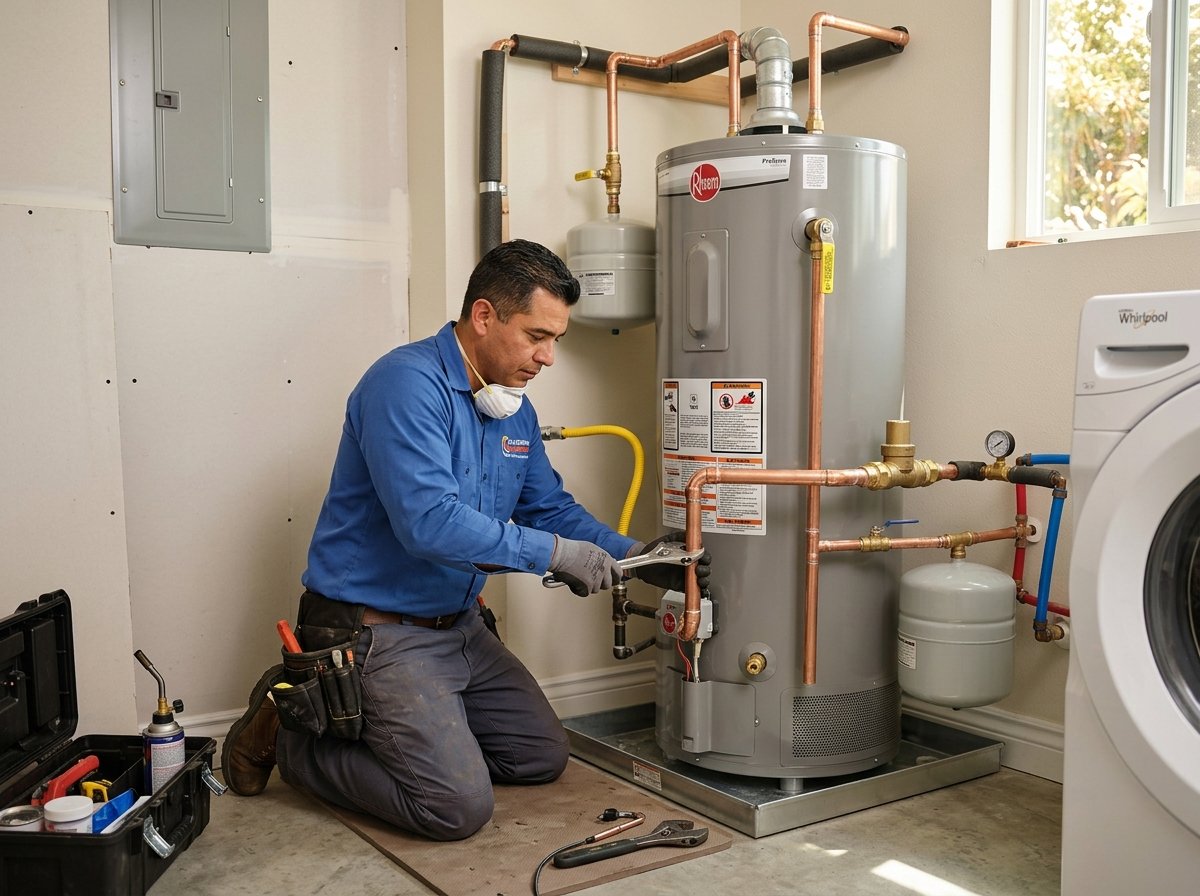
Is your gas water heater failing to produce hot water, making unusual noises, or repeatedly losing its pilot flame? Long Beach Water Heater helps connect local homeowners with qualified water heater service specialists who can assess gas water heater problems and explain available repair options.

Gas Water Heater Troubleshooting
Repair and Replacement Guidance
Local Service Assistance
Direct phone support — (562) 271-5637
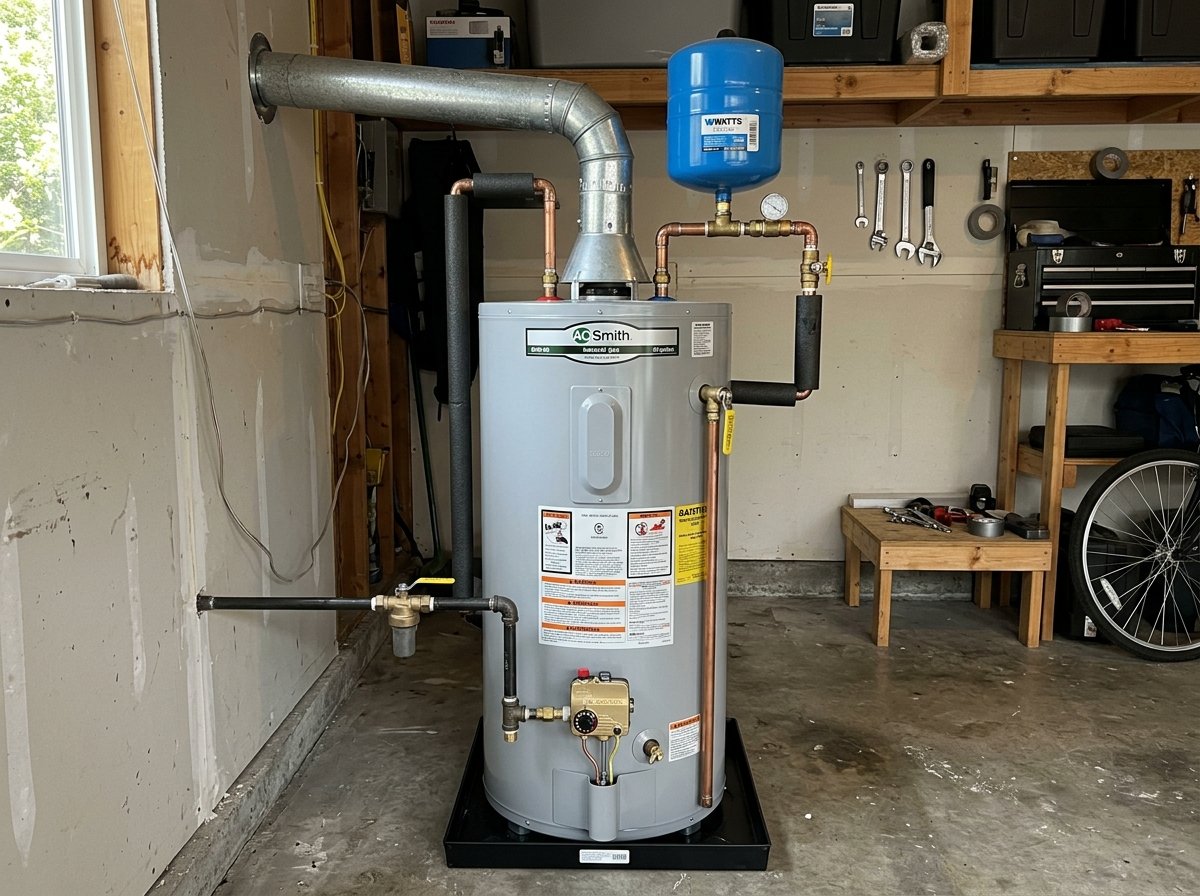
Residential gas storage water heater installed in utility closet in Long Beach CA
COMMON SYMPTOMS & FAULTS

Common Gas Water Heater Problems We Can Help You Understand

Gas water heaters rely on several connected components to heat water safely. Problems with ignition, burner operation, temperature control, or venting can affect performance and may require professional attention.

Pilot Light Keeps Going Out

Older gas water heaters frequently utilize a continuous standing pilot flame. If the pilot flame keeps extinguishing, it commonly indicates flame-sensing issues involving a weakened thermocouple or thermopile, restricted combustion air, or draft interference. Never attempt repeated relighting when a gas leak or other hazard is suspected.

Gas Water Heater Not Producing Hot Water

When a gas unit stops producing hot water entirely, potential causes include an unlit pilot, a failed electronic igniter, a malfunctioning gas control valve thermostat, an interrupted natural gas supply line, or a tripped high-limit thermal safety switch.

Burner Will Not Ignite

If the pilot flame remains lit or the igniter sparks but the main burner fails to fire up on demand, the issue may involve a defective gas valve solenoid, a clogged burner orifice, inadequate gas pressure, or safety lockout controls that require qualified diagnosis.

Water Heater Makes Rumbling or Popping Noises

Loud knocking, popping, or kettle-like rumbling sounds typically point to heavy mineral sediment accumulation settling across the bottom of the tank. When the burner fires directly beneath the tank floor, trapped moisture boils aggressively, stressing tank seams and reducing heating efficiency.

Water Leaking Around the Heater

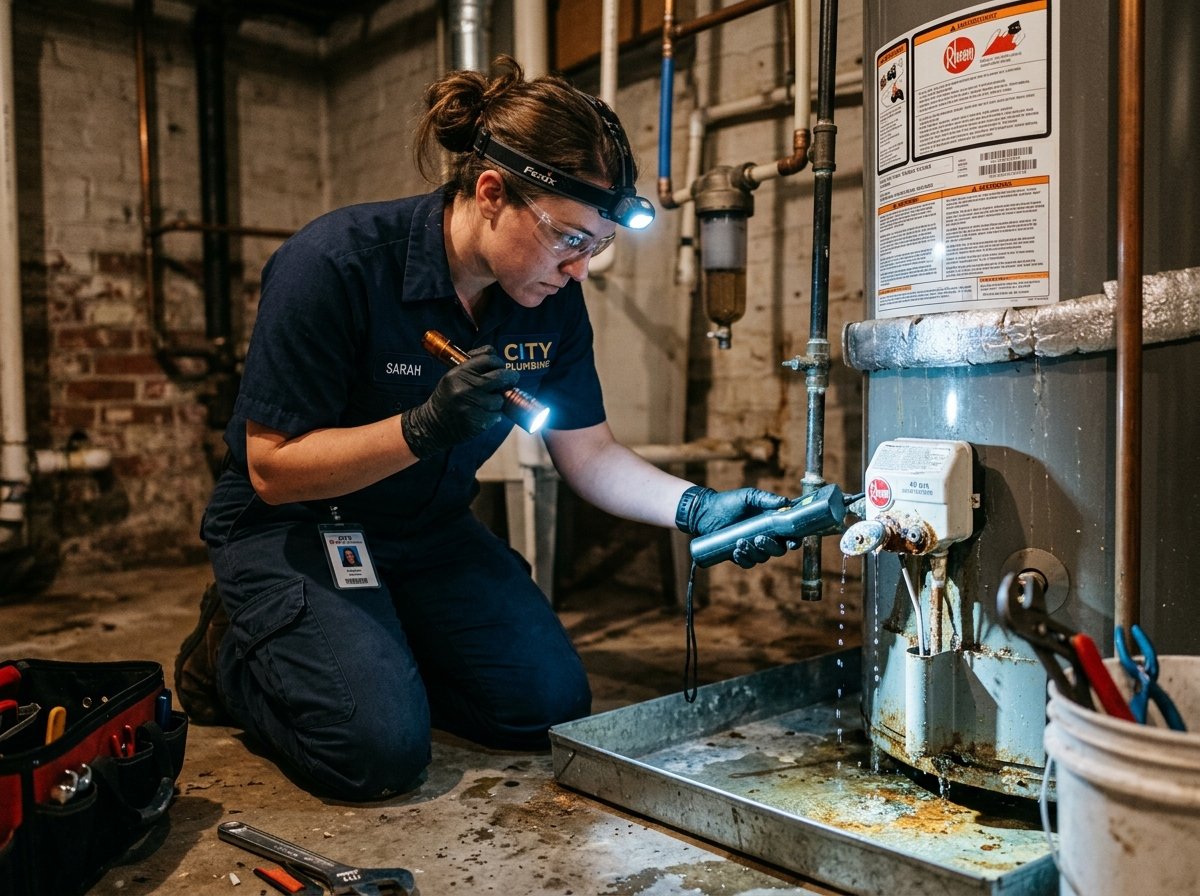
Water pooling beneath or around a water heater requires accurate diagnosis. External leaks from threaded pipe fittings, temperature and pressure relief (T&P) valves, or drain valves can frequently be repaired. Conversely, internal corrosion leaks in the steel tank cylinder cannot be repaired.

Water Temperature Is Inconsistent

Sudden variations between scalding and lukewarm water often point to faulty temperature control calibration, gas valve sensor wear, sediment insulating the heat transfer surface, or a broken internal dip tube diverting cold incoming water directly to the hot outlet line.

Call to Discuss Your Water Heater Symptoms
TECHNICAL SYSTEM OVERVIEW

Understanding Gas Water Heater Repair

Residential gas storage water heaters integrate mechanical, plumbing, and combustion assemblies designed to heat and store water safely under household pressure.

Safely troubleshooting a gas water heater requires understanding how multiple interconnected systems interact during every heating cycle:

Gas Supply & Pressure Regulation

Fuel flows from your home's dedicated gas shutoff valve through a sediment trap (drip leg) into the gas control valve at calibrated manifold pressure.

Ignition & Flame Sensing

A continuous standing pilot flame or electronic spark igniter lights the burner. A thermocouple or flame sensor generates millivolts to confirm a safe flame before main fuel valves open.

Burner Assembly & Combustion Chamber

The burner tube and precision orifice mix natural gas with combustion air to produce a steady blue heating flame underneath the tank base.

Temperature Controls & Venting

The thermostat monitors internal water heat while the draft hood and flue baffle safely guide exhaust gases and carbon monoxide out through the roof or exterior wall.

Storage Tank & Plumbing Connections

The glass-lined steel vessel stores water under household pressure, safeguarded by a sacrificial anode rod and a temperature and pressure (T&P) relief safety valve.

Why an Accurate Diagnosis Matters

Because identical symptoms can stem from completely different underlying component faults—such as an extinguished flame caused by a dirty pilot orifice, a weakened thermocouple, or a failed gas control valve—replacing parts without professional diagnostic equipment can waste money and leave safety hazards unresolved.

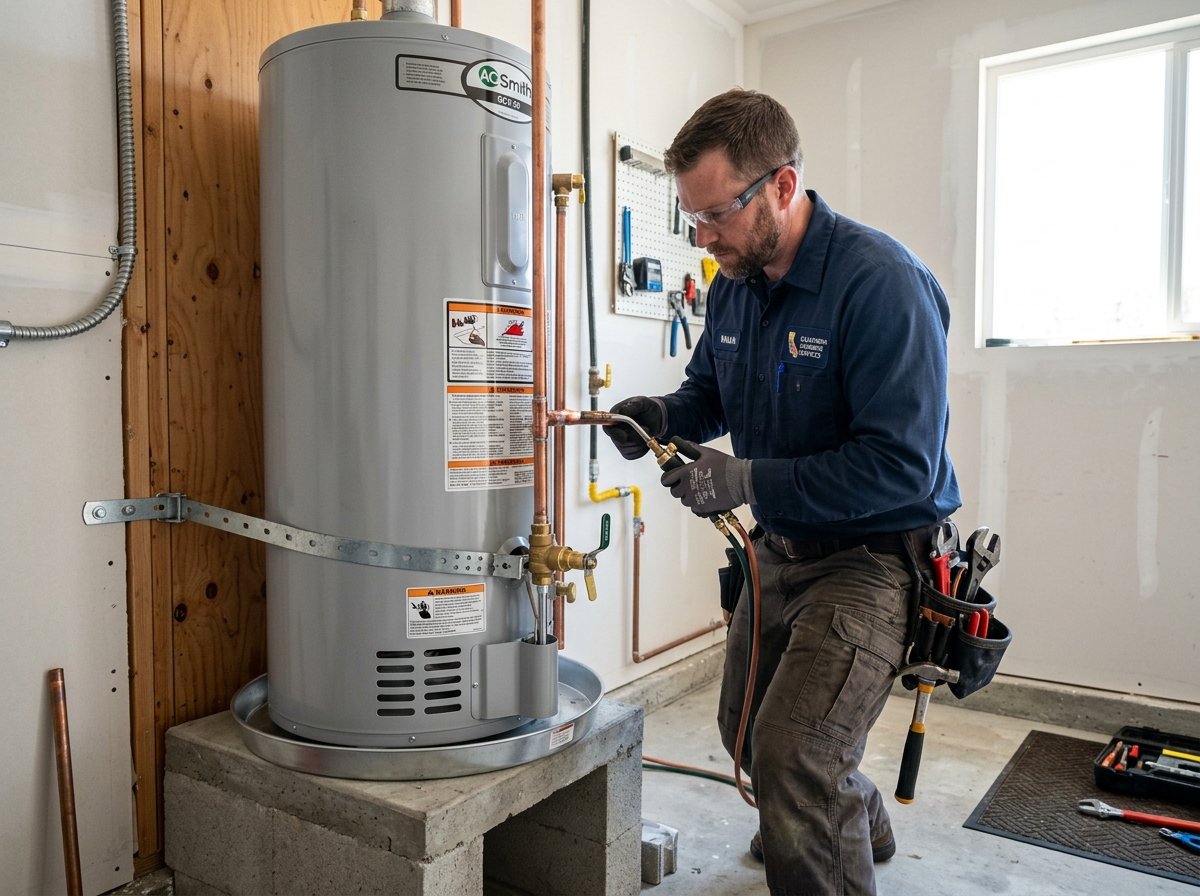
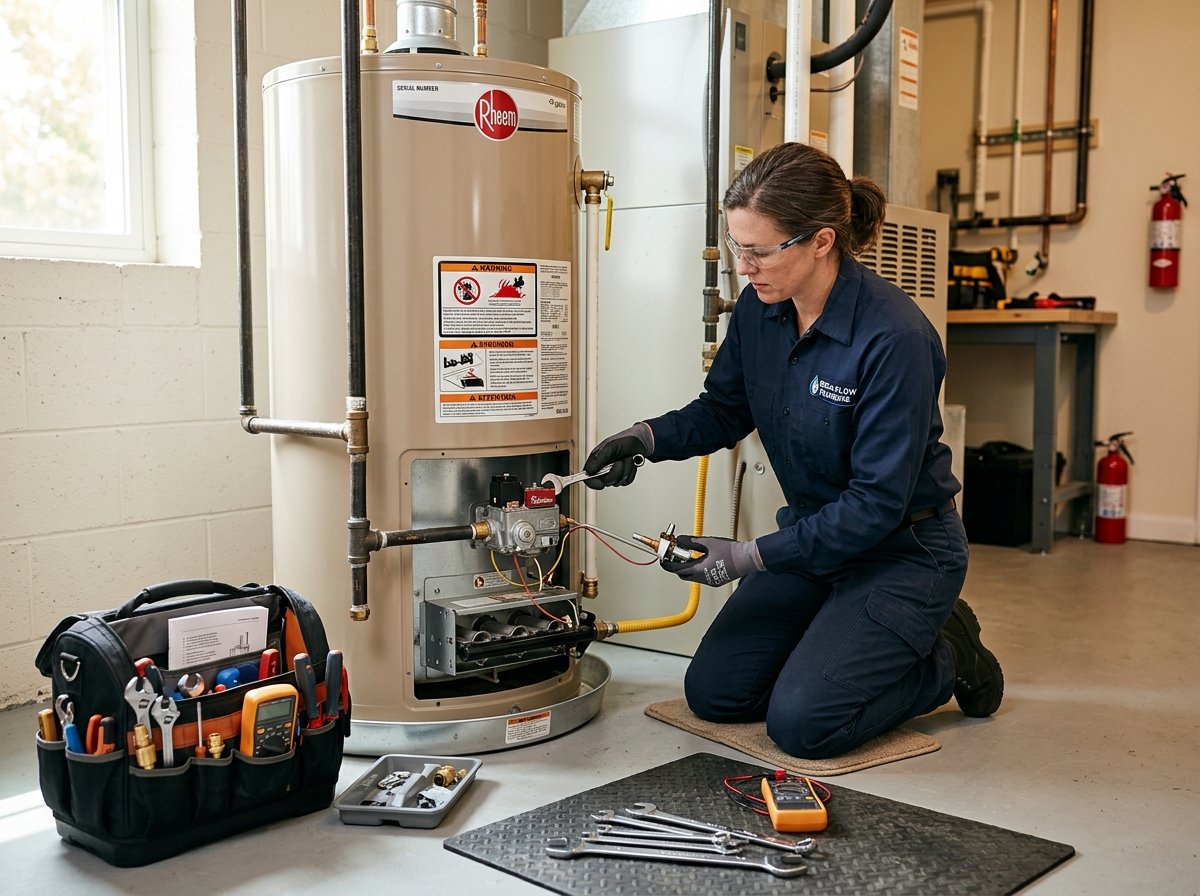
Gas water heater combustion chamber and gas valve assembly inspection
CRITICAL SAFETY PROTOCOLS

Gas Water Heater Safety: When to Seek Immediate Help

Essential Emergency Safety Message

"If you smell gas, leave the area immediately. Do not operate switches, use electrical devices, light flames, or attempt to repair the equipment. Contact your gas utility or emergency services from a safe location."

In Southern California, contact SoCalGas at 1-800-427-2200 or dial 911 immediately. For suspected carbon monoxide exposure (symptoms including persistent headaches, dizziness, nausea, or confusion), instruct all occupants to move outdoors into fresh air and contact emergency services. This website referral phone number is not a substitute for emergency dispatch services.

Suspected Gas Leaks & Odors

A distinct rotten-egg or sulfur odor added to natural gas indicates an active fuel leak. Evacuate immediately before making any phone calls.

Carbon Monoxide Risk

Incomplete combustion produces odorless, toxic carbon monoxide. Never ignore CO detector alarms near your water heater or furnace utility closet.

Unusual Soot Accumulation

Black soot deposits around the burner access opening or draft hood indicate poor combustion, improper venting, or restricted airflow that requires qualified evaluation.

Venting & Backdraft Problems

Flue blockages or disconnected vent pipes can push dangerous combustion fumes back inside the home rather than exhausting safely outdoors.

EQUIPMENT ANATOMY

Gas Water Heater Components That May Require Professional Attention

Learn the primary functions of essential gas water heater parts and the typical symptoms that suggest repair or service is needed.

1. Pilot and Ignition Assembly

Purpose

Initiates fuel combustion via a continuous standing pilot flame or a modern piezoelectric/electronic spark igniter.

Warning Signs

Pilot flame will not light, constantly blows out, flickers yellow instead of steady blue, or clicks continuously without igniting.

2. Thermocouple or Flame Sensor

Purpose

Critical safety probe that generates low millivoltage from flame heat to signal the gas valve that a safe flame is present.

Warning Signs

Pilot flame lights while holding down the manual gas button but extinguishes immediately upon releasing it.

3. Gas Control Valve

Purpose

Acts as the central command center and thermostat, measuring water temperature and regulating fuel flow to the burner.

Warning Signs

Diagnostic status light flashing error sequences, inability to adjust water temperature, or complete failure to open main burner fuel flow.

4. Burner Assembly

Purpose

Houses the gas manifold, orifice, and burner tube where fuel and air mix to transfer thermal energy through the tank floor.

Warning Signs

Loud delayed-ignition booming noises, smoky orange flames, heavy soot accumulation, or corroded burner tube ports.

5. Temperature Controls & Cutoff

Purpose

Monitors water temperature and includes an emergency thermal cutoff switch to prevent dangerous overheating and boiling.

Warning Signs

Scalding water output, unexpected emergency shutoffs, or a tripped thermal sensor that locks out system operation until serviced.

6. Venting System & Draft Hood

Purpose

Channels toxic combustion byproducts, including carbon monoxide and moisture, safely out through the flue to the exterior.

Warning Signs

Corrosion on draft hood collar, exhaust fumes spilling into the room, or melted plastic rings around top water pipe connections.

7. Water Connections & Valves

Purpose

Includes cold/hot dielectric nipples, the tank drain valve, and the temperature & pressure (T&P) relief valve.

Warning Signs

Active dripping from the T&P discharge line, calcified white crusting around fittings, or leaks weeping from the drain valve.

8. Storage Tank (Steel Vessel)

Purpose

Pressurized steel tank featuring an interior porcelain-enamel glass lining and sacrificial anode rod that holds heated water.

Warning Signs

Water pooling underneath the outer jacket with dry top fittings, rust-colored hot water, or structural tank perforation (requires replacement).

INFORMED DECISION MAKING

Should You Repair or Replace Your Gas Water Heater?

Understanding when component repair is financially sound versus when system replacement is necessary helps protect your home and budget.

Repair May Be Appropriate When

When system tank integrity is structurally sound
A replaceable component has failed (such as a thermocouple, gas control valve, burner, or T&P valve).
The storage tank is structurally sound with no internal leaks, rust flaking, or seam corrosion.
The unit is otherwise reliable and generally under 8 to 10 years of age.
Estimated repair costs are reasonable compared to total equipment replacement.
Call to Discuss Repair

Replacement May Be Appropriate When

When tank failure or advanced aging occurs
The storage tank is leaking internally through the steel vessel wall (cannot be patched).
The equipment suffers recurring failures and escalating maintenance expenses.
The water heater is aging (10–12+ years) and deteriorating in energy efficiency.
The system no longer meets growing household hot water capacity demands.
Repair costs approach or exceed half the investment of a modern replacement.
Discuss Repair and Replacement Options →

Note: The most practical decision depends on an accurate on-site evaluation by a qualified specialist who can inspect your equipment's physical condition and provide clear options before work proceeds.

EQUIPMENT CLASSIFICATIONS

Types of Gas Water Heaters Found in Residential Properties

Different gas water heater configurations require specific diagnostic techniques, combustion air supplies, and venting considerations.

Atmospheric Vent Gas Water Heaters

The most traditional and common design found in Long Beach homes. Uses natural thermal buoyancy (warm exhaust rising) through a vertical metal B-vent chimney pipe through the roof. Requires zero electrical power to operate, making it resilient during local electrical grid outages.

Power Vent Gas Water Heaters

Equipped with an electric blower fan mounted on top of the tank to mechanically expel exhaust gases outdoors through horizontal PVC, CPVC, or polypropylene pipes. Ideal for homes without existing vertical chimney chases, requiring a nearby 120V electrical outlet and air pressure switches.

Direct Vent Gas Water Heaters

Pulls 100% of combustion air directly from the outdoor atmosphere through a sealed dual-pipe or concentric pipe system and exhausts outside. Perfect for tightly sealed homes, basements, or small utility closets where indoor combustion air is restricted.

Gas Storage With Electronic Ignition

Modern high-efficiency tank systems that eliminate the continuously burning standing pilot flame. They use an intermittent electronic spark or silicon carbide hot surface igniter to light the burner only when heating is needed, reducing gas consumption and offering diagnostic LED status codes.

Have a Tankless Gas Water Heating System?

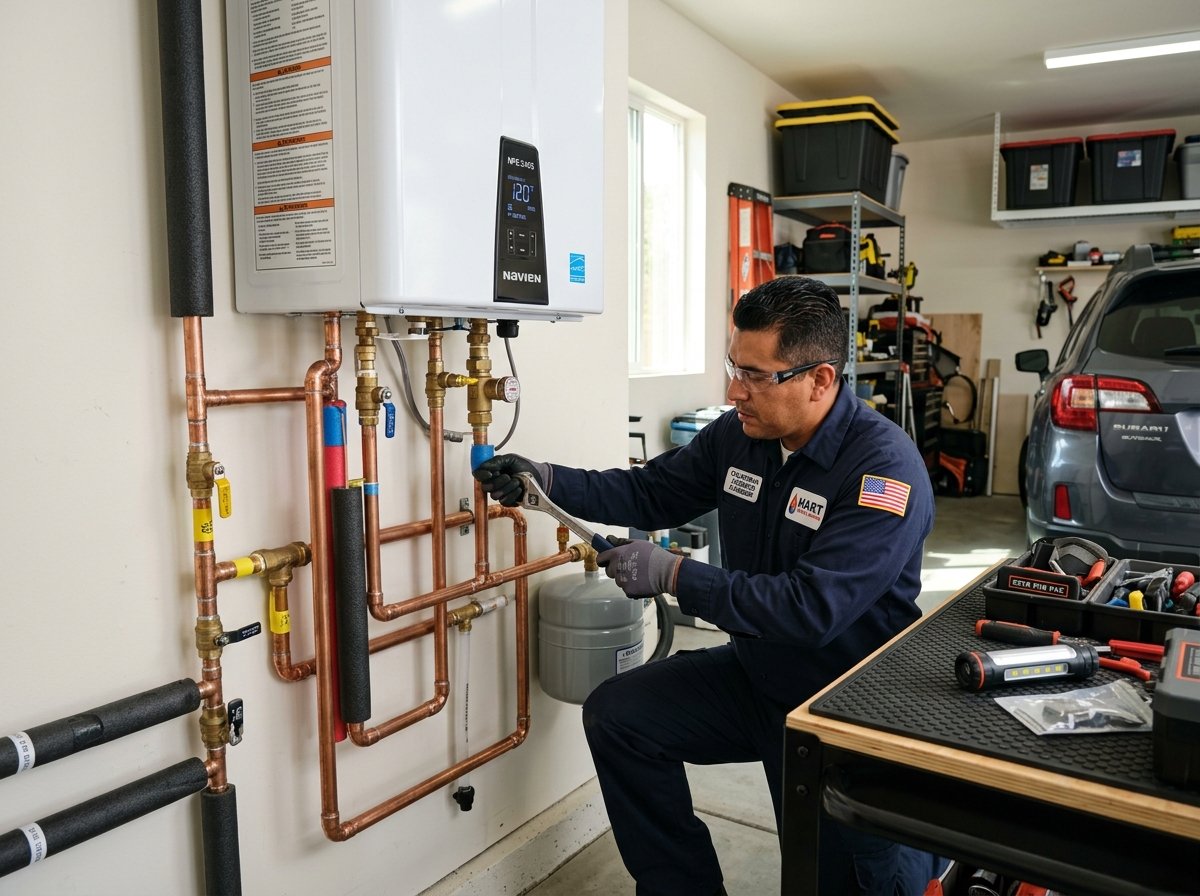
Tankless (on-demand) natural gas units operate on different flow-activated modulating burners and electronic control boards. For troubleshooting and repair of tankless units, explore our specialized service page.

Explore Tankless Water Heater Services in Long Beach →
SIMPLE 4-STEP PROCEDURE

How to Get Help With a Gas Water Heater Problem

We connect homeowners directly with local service professionals via phone. Here is what happens from your initial call to service completion.

Step 1

Call About Your Water Heater

Call (562) 271-5637 and describe the symptoms, brand, and equipment type of your gas water heater.

Step 2

Discuss the Problem

Share relevant details regarding pilot flame issues, hot water temperature, leaks, or unusual noises.

Step 3

Explore Service Arrangements

Discuss available scheduling options for a professional on-site evaluation, subject to specialist availability.

Step 4

Review Repair Options

A qualified specialist can inspect the system, explain diagnostic findings, and outline clear options before work begins.

Call to Connect With a Specialist: (562) 271-5637
TRANSPARENT REFERRAL PLATFORM

Helping Long Beach Homeowners Find Gas Water Heater Assistance

Long Beach Water Heater operates as an independent consumer referral resource connecting local property owners with third-party service professionals.

Focused Water Heater Service Information

Dedicated, in-depth resources tailored specifically to residential water heating systems, component wear, and safety considerations.

Straightforward Phone-Based Assistance

No complicated web booking forms, chatbots, or automated ticket queues. Connect directly with helpful phone support by calling (562) 271-5637.

Repair and Replacement Options

Objective guidance helping you understand whether replacing individual parts or upgrading to a new system offers the greatest long-term value.

Local Service Area Information

Connecting property owners across Long Beach and neighboring cities with technicians familiar with local plumbing practices and utility codes.

REGIONAL SERVICE REACH

Gas Water Heater Repair Assistance in Long Beach and Nearby Communities

From coastal homes to inland neighborhoods, residential water heating setups reflect the diverse architecture and municipal water conditions of Southern California.

Long Beach encompasses a wide variety of residential housing styles—including historic Craftsman bungalows in California Heights and Bluff Heights, post-war mid-century tract homes in Lakewood Plaza, and coastal properties in Belmont Shore and Naples. Natural gas storage water heaters remain the primary heating choice across the region due to established utility infrastructure.

Local conditions such as coastal air moisture and mineral content in municipal water lines can accelerate corrosion on external plumbing fittings and cause gradual sediment accumulation inside storage tanks. In addition to serving central Long Beach, assistance is coordinated across adjacent communities:

Lakewood, CA

Water heater repair and replacement assistance across Lakewood neighborhoods.

Signal Hill, CA

Local assistance for residential gas and electric systems in Signal Hill.

Carson, CA

Water heater troubleshooting and repair service coordination for Carson homeowners.

Bellflower, CA

Connecting Bellflower residents with qualified water heater technicians.

Seal Beach, CA

Coastal water heater maintenance and replacement support in Seal Beach.

Cypress, CA

Professional water heating guidance and service coordination for Cypress properties.

PREVENTATIVE CARE & WARNING SIGNS

Gas Water Heater Maintenance and Warning Signs

Proper observation and routine maintenance help safeguard equipment reliability, prolong tank lifespan, and preserve household safety.

Monitoring for Early Leaks

Regularly check the perimeter around the base of the tank, the T&P relief valve discharge line, and top flexible supply connections. Catching fitting weeps early prevents floor damage and tank rust.

Noticing Unusual Sounds

Popping, sizzling, or rumbling sounds indicate sediment accumulation on the tank bottom. Periodic tank flushing helps clear deposits before they create severe hot spots and metal fatigue.

Watching for Inconsistent Hot Water

If your showers become lukewarm sooner than usual or water temperature fluctuates unpredictably, the thermostat sensor, gas valve, or dip tube may require professional inspection.

Keeping Required Equipment Clearances Unobstructed

Gas water heaters require ample combustion air. Never store cardboard boxes, rags, gasoline, solvents, cleaning chemicals, or laundry piles within the required manufacturer clearance zone around the heater.

Professional Venting & Combustion-System Checks

Have a licensed technician inspect the flue draft, draft hood, burner combustion cleanliness, and safety cutoff controls. Never attempt to dismantle gas valves or bypass safety switches yourself.

Call for Water Heater Maintenance Guidance: (562) 271-5637
COMMON QUESTIONS & ANSWERS

Gas Water Heater Repair FAQs

Get clear answers to frequently asked questions about residential gas water heater troubleshooting, diagnostics, and repairs.

A pilot light that repeatedly goes out is most often caused by a worn or dirty thermocouple or flame sensor that fails to detect the flame and shuts off gas flow for safety. Other common causes include a clogged pilot orifice, a malfunctioning gas control valve, combustion air restriction, or strong downdrafts through the vent pipe. If you ever smell gas, do not attempt to relight the pilot.
If there is no hot water, check whether the pilot light is burning. If the pilot is extinguished, relighting it according to manufacturer instructions may help, but repeated outages signal an underlying component issue. If the pilot stays lit but the main burner fails to fire up, the gas control valve, thermostat sensor, or burner orifice may require professional inspection or replacement.
Yes, many gas water heater burner issues can be serviced or repaired. Qualified technicians can clean clogged burner ports, clear the gas orifice, replace corroded burner tubes, adjust air shutters for clean blue combustion, or replace the entire burner and pilot bracket assembly.
Rumbling or popping noises usually indicate mineral sediment accumulation boiling at the bottom of the tank. While not an immediate explosion hazard, heavy sediment causes hot spots that stress the tank bottom, degrade metal seams, and reduce efficiency. If accompanied by metallic screeching, exhaust odors, or whistling, have the unit inspected promptly.
It depends on where the water originates. Leaks from external plumbing fittings, flexible supply lines, the drain valve, or the temperature and pressure (T&P) relief valve can typically be repaired by replacing the faulty fitting. However, if water is leaking from the internal steel tank itself, it cannot be safely patched and requires replacement.
A standard residential gas storage water heater has an average lifespan of 8 to 12 years. Factors that impact longevity include local water mineral hardness, household usage volume, maintenance frequency (such as tank flushing and anode rod inspection), and installation quality.
Replacement is generally recommended if the water heater is over 10 years old and requires a major component repair, if the internal tank is leaking or showing severe rust, or if recurring breakdowns are becoming frequent and costly. A new high-efficiency model will provide greater reliability and lower energy costs.
You can call Long Beach Water Heater at (562) 271-5637 to describe your gas water heater symptoms, discuss troubleshooting options, and coordinate service with a qualified local water heater specialist.
COMPREHENSIVE HEATING SOLUTIONS

Discover complete repair, installation, and maintenance options for all types of residential water heating systems across Long Beach.

Educational Resources

Helpful Water Heater Guides & Tips

Read our expert advice on troubleshooting, energy-saving tips, and repair vs. replacement decisions for Long Beach area homeowners.

Explore All Homeowner Guides

Need Help With a Gas Water Heater Problem in Long Beach?

Whether your gas water heater is producing insufficient hot water, showing signs of a component problem, or nearing the end of its service life, call to discuss available professional service assistance.

Call Now — (562) 271-5637 Direct phone support — local specialist referral.
Call About Gas Water Heater Repair