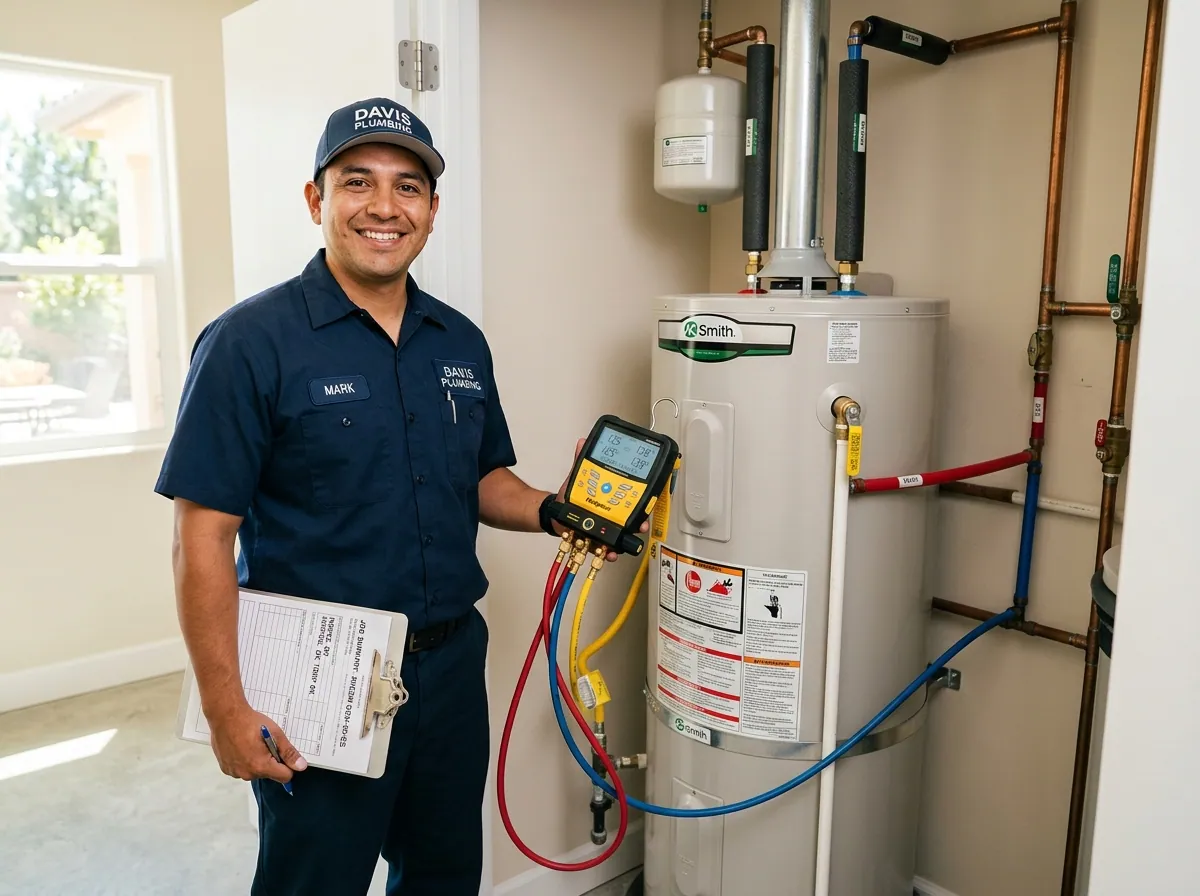
10 Signs Your Water Heater Needs Repair in Long Beach, CA
A reliable water heater makes everyday life easier. Discover the top warning signs that your unit needs professional attention before a breakdown occurs.
Read Guide →Looking for dependable water heater installation in Long Beach, CA? We connect homeowners and property managers with qualified local installers specializing in energy-efficient gas, electric, hybrid heat pump, and tankless water heaters. Every installation complies fully with City of Long Beach building safety codes, California Title 24 seismic strapping standards, and South Coast AQMD Rule 1121 clean air requirements.
Local Specialist Referral: Long Beach Water Heater connects homeowners directly with established, independent plumbing and water heater installation contractors throughout Long Beach and neighboring coastal communities.
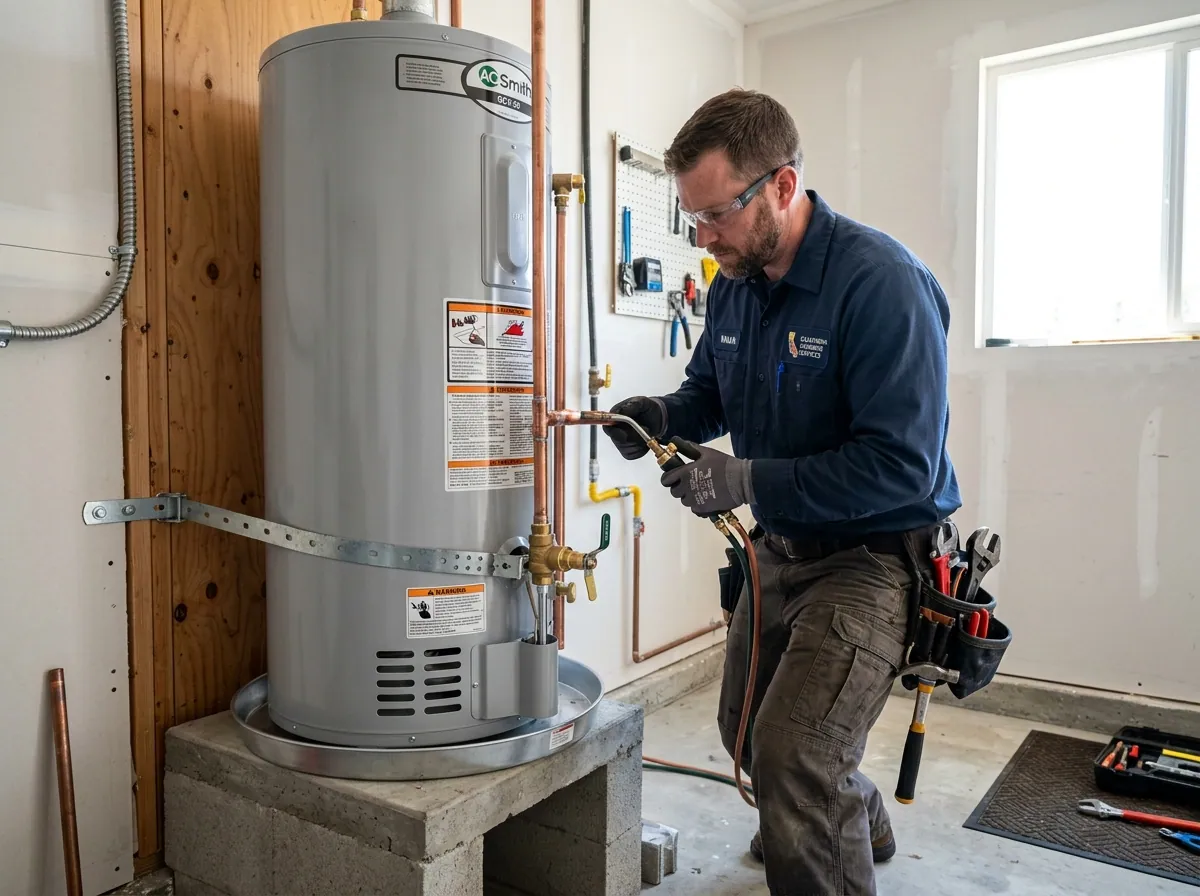
Whether you require emergency same-day water heater installation to replace a critically leaking storage tank or are planning a high-efficiency whole-home tankless retrofit, our network of licensed plumbing contractors delivers turnkey, code-certified solutions across all Long Beach communities. Every project is executed with commercial-grade copper transitions, code-compliant seismic anchorage, certified pressure relief piping, and meticulous manufacturer-warranty calibration.
Accurate calculations for First Hour Rating (FHR) on storage tanks and Gallons Per Minute (GPM) on tankless units to match your household's peak water demand, factoring in coastal Long Beach's 55°F–60°F groundwater temperatures and simultaneous fixture usage.
Professional venting, gas flex line replacements, sediment traps, thermal expansion tanks, and dedicated 240V electrical wiring connections engineered to support modern high-draw condensing equipment and prevent utility interruptions.
Seamless transitions from traditional bulky storage tanks to compact on-demand tankless water heaters for endless hot water, space savings, reduced standby thermal losses, and lower monthly utility expenditures.
City of Long Beach permit guidance, heavy-duty seismic earthquake strapping, T&P relief valve discharge lines, and combustion safety testing ensuring flawless municipal building code compliance and manufacturer warranty validity.
Selecting the ideal water heating system depends on household occupancy, peak morning shower demands, existing utility hookups (natural gas lines or 240V dedicated electrical sub-panels), spatial constraints in garages or interior utility closets, and municipal Southern California environmental mandates. The licensed contractors in our Long Beach referral network install and calibrate every major residential and light commercial water heating technology, ensuring optimal energy performance, sustained hot water volume, and full California Title 24 compliance.
Storage tank water heaters remain the most popular, cost-effective choice for Long Beach homes. Available in 30, 40, 50, and 75-gallon capacities, they continuously heat and store water in an insulated steel cylinder, ready for immediate household use.
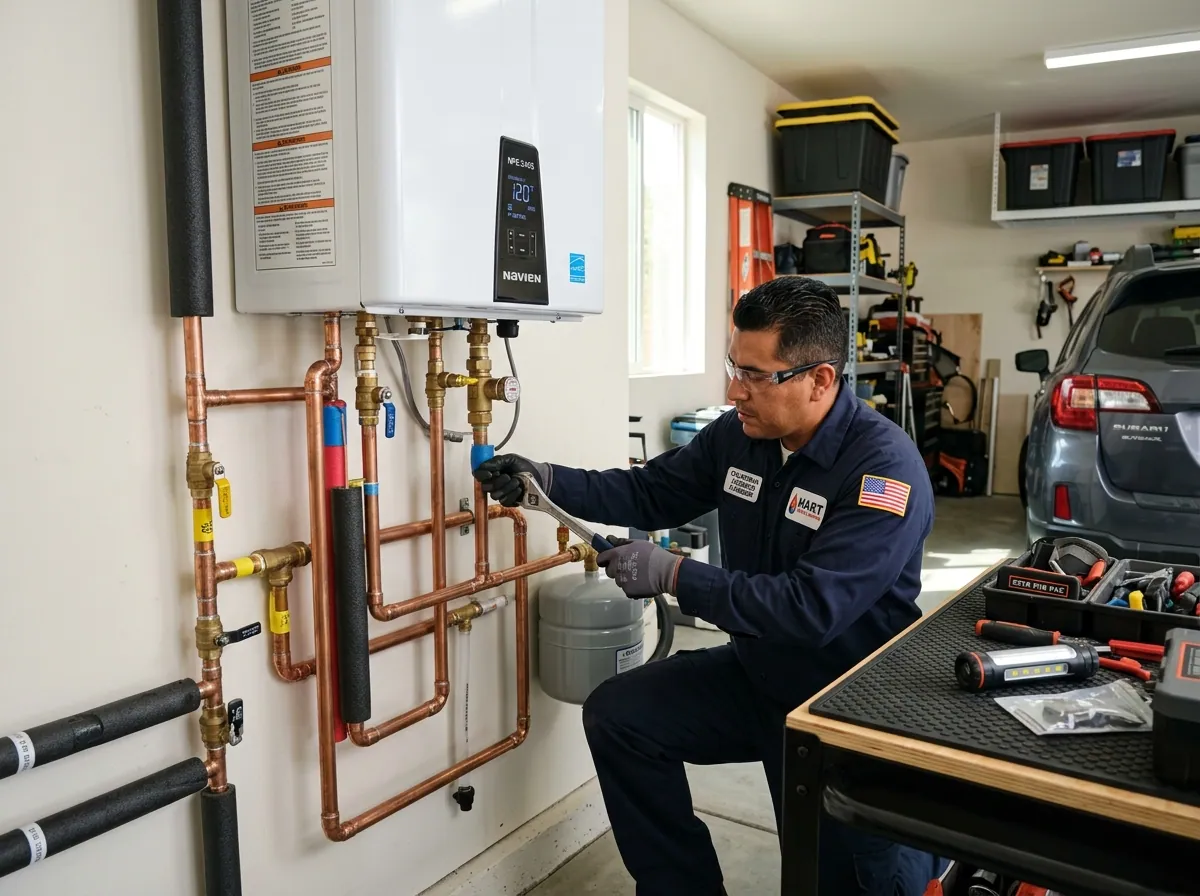
Tankless systems flash-heat water only when a tap or shower is turned on. Because they eliminate standby energy loss, they offer superior energy efficiency, free up substantial floor space, and supply continuous hot water without running out.
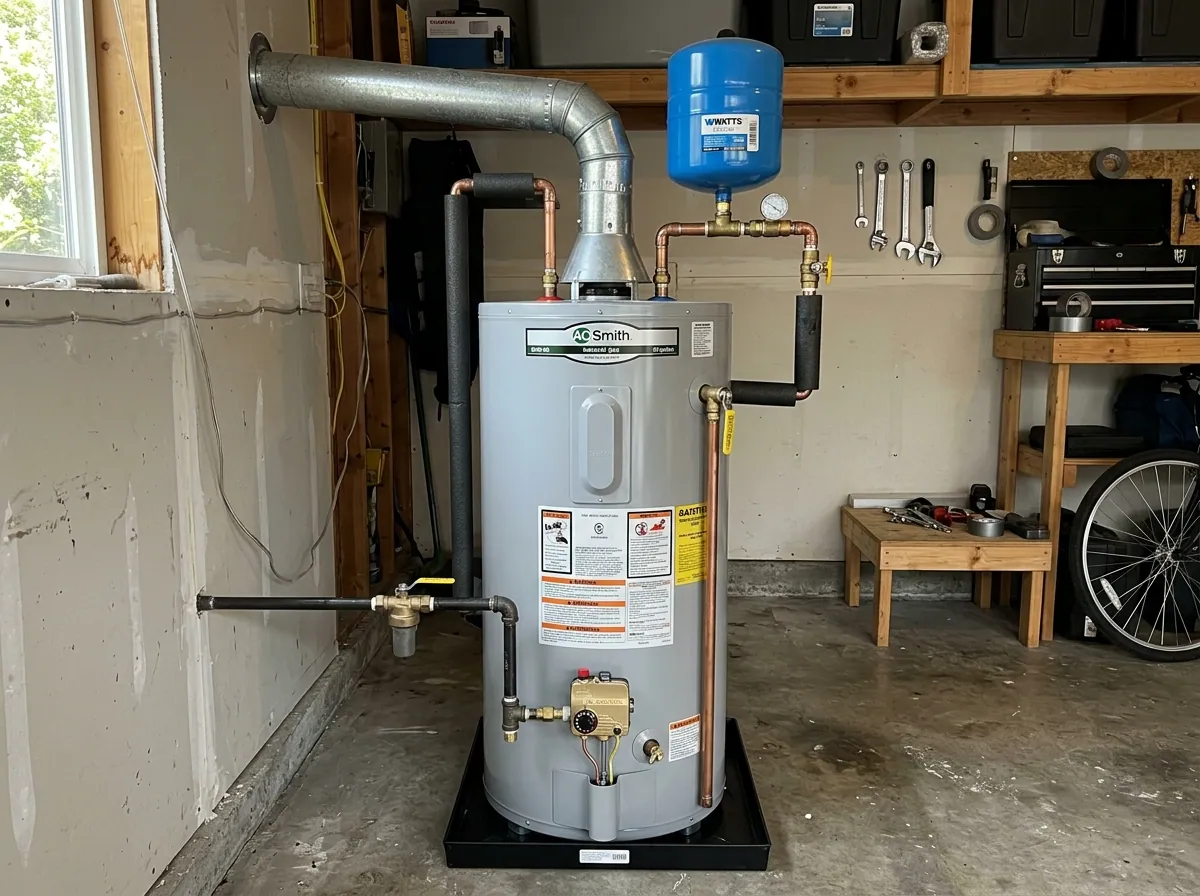
Natural gas water heaters provide rapid recovery rates, reheating water much faster than electric resistance units. In Long Beach, all newly installed gas units must comply with South Coast AQMD Rule 1121 standards for ultra-low nitrogen oxide emissions.
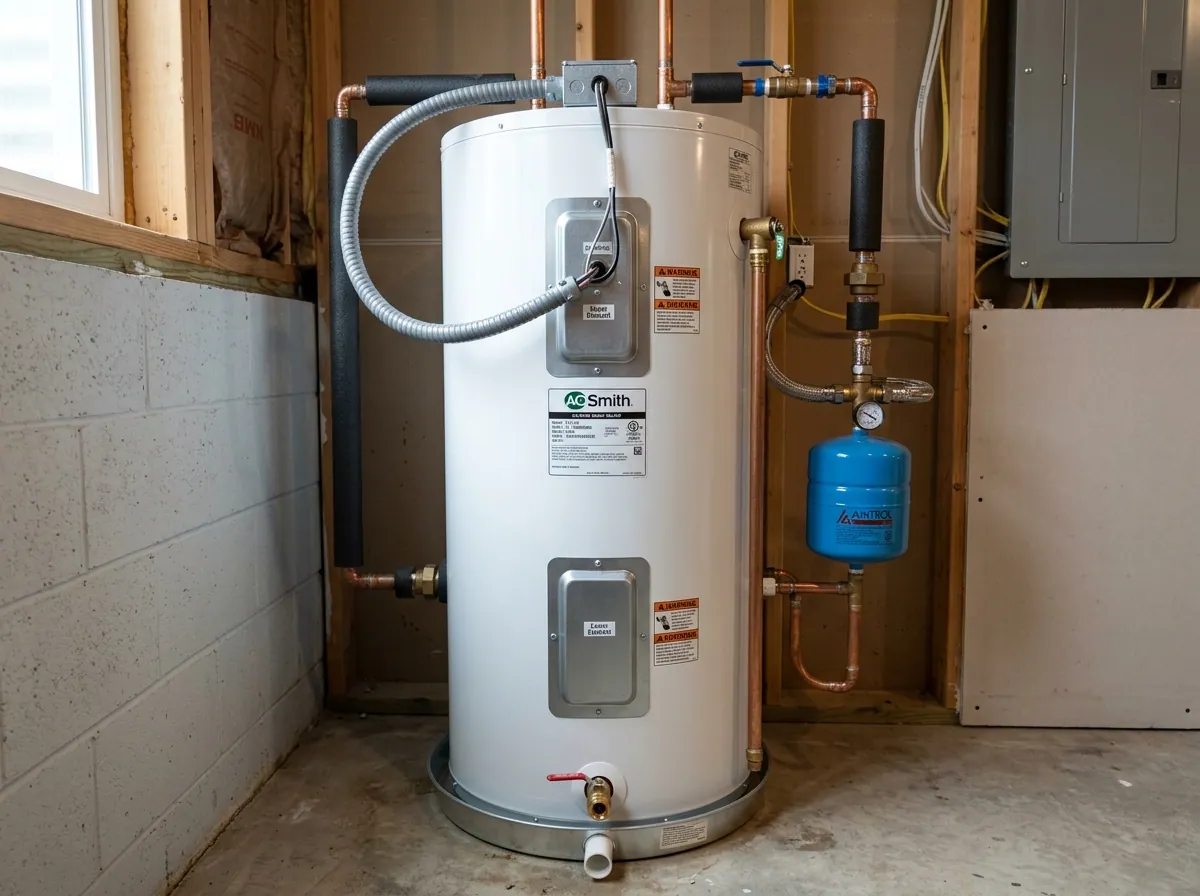
Electric water heaters operate without gas piping or combustion exhaust flues, making them ideal for condominiums, multi-family units, and interior closets across Long Beach where exterior chimney venting is impractical or unavailable.
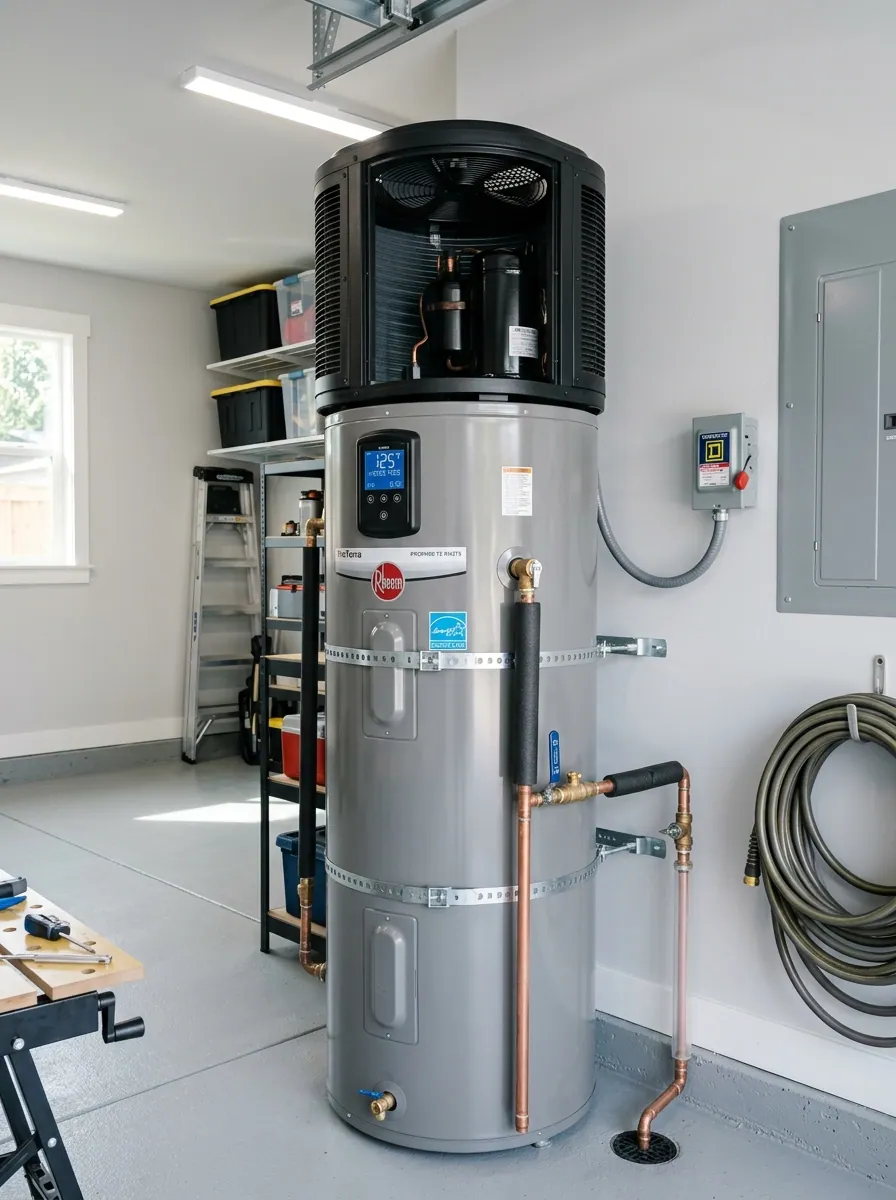
Heat pump water heaters absorb ambient warmth from surrounding air and transfer it into the storage tank. Using up to 70% less electricity than traditional electric resistance tanks, they deliver industry-leading Uniform Energy Factor (UEF) efficiency ratings.
Upgrading from a traditional storage tank to a modern tankless water heater installation is one of the most effective home improvements for Long Beach homeowners seeking endless hot water, lower utility bills, and reclaimed square footage.
Rather than maintaining 40 or 50 gallons of water at 120°F around the clock—generating continuous standby heat loss—tankless units ignite high-efficiency copper heat exchangers the moment you open a hot water valve. Key considerations when planning a tankless water heater installation include:
Whether connecting to existing natural gas infrastructure or electrical service panels, professional installation ensures strict compliance with safety codes, fire clearances, and manufacturer warranty guidelines.
Natural gas water heaters provide rapid recovery and economical operational costs. Installing a gas unit requires precise fuel pressure, combustion air ventilation, and airtight flue exhaust venting.
Electric water heaters eliminate chimney flues and gas lines, making them the safest, cleanest option for condominiums, apartments, and modern homes with rooftop solar systems.
Because water heater installation encompasses equipment specifications, fuel system modifications, and local permit regulations, reliable pricing is determined through an in-home assessment. Honest contractors evaluate the following key cost factors:
From your initial inquiry through final safety commissioning, local installers adhere to a rigorous 5-stage installation workflow to ensure flawless operation and total peace of mind.
Call (562) 271-5637 to discuss your hot water demand, household fixtures, fuel preference (gas, electric, or tankless), and budget.
A qualified installer evaluates your installation space, gas piping, electrical service, venting chimney, and cold water pressure to recommend ideal equipment.
The installer safely shuts down fuel and water supplies, drains the old water heater tank, disconnects piping, and hauls away the old unit for recycling.
Positioning the new unit, installing California Title 24 seismic earthquake strapping, connecting water lines, gas flex or electrical wiring, and thermal expansion tanks.
Testing for gas leaks, combustion draft spillage, water pressure, and setting thermostat to safe 120°F. The installer explains maintenance steps and hands over documentation.
Deciding between a traditional storage tank and an on-demand tankless system? Review how each system compares across key ownership, performance, and installation factors:
An undersized water heater leaves your family taking cold showers, while an oversized unit wastes energy heating excess water you never use. Professional installers use First Hour Rating (FHR) for storage units and flow demand (GPM) for tankless systems.
Storage tanks are selected based on household occupancy and peak-hour hot water demand (FHR) rather than simple physical tank volume:
Tankless sizing depends on concurrent Gallons Per Minute (GPM) demand and local groundwater temperature rise (ΔT):
Commercial properties, restaurants, multi-family apartment communities, and laundromats in Downtown Long Beach and Naples require specialized commercial sizing:
Water heater installations in Long Beach are governed by strict California state and municipal codes designed to prevent gas explosions, scalding, building water damage, and seismic collapse.
In compliance with California Health & Safety Code Sections 19210–19217 and Title 24, all water heaters must be securely restrained against earthquake motion using heavy-gauge seismic straps placed in the upper third and lower third (minimum 4 inches above controls). Straps must be anchored into solid wall studs with 3/8-inch by 3-inch lag screws to prevent gas line ruptures and structural damage during seismic activity.
When water heats, it naturally expands by approximately 2% to 3%. Because Long Beach Water Department utility meters incorporate backflow prevention check valves, residential plumbing forms a closed-loop system. Installing a properly calibrated diaphragm thermal expansion tank absorbs hydrostatic pressure spikes above 80 PSI, preventing premature tank ruptures, leaking valves, and voided warranties.
All residential natural gas storage water heaters installed within Long Beach must be certified Ultra-Low NOx by the South Coast Air Quality Management District, emitting less than 10 nanograms of nitrogen oxides per Joule of heat output. Installers verify certified burner compliance before pulling municipal building permits, ensuring full environmental alignment and passing city inspection.
Every newly installed water heater requires an ASME-rated Temperature and Pressure (T&P) relief valve set to 150 PSI and 210°F. Discharge lines must be rigid copper or CPVC tubing pitched downward to terminate safely outside between 6 and 24 inches above ground, or into an approved indirect drain receptor. Units installed inside living spaces, attics, or finished closets must sit in a corrosion-proof drain pan with a dedicated exterior drain line.
While homeowners frequently use the terms interchangeably, understanding the distinction between water heater installation and water heater replacement helps clarify your project scope and budget:
Water Heater Installation refers to installing a brand-new water heating system where none previously existed—such as in newly constructed homes, detached Accessory Dwelling Units (ADUs), garage conversions, and master suite additions across Long Beach. It also encompasses complete fuel and technological conversions, such as transitioning from an outdated atmospheric gas tank to an exterior-mounted condensing tankless system or high-efficiency hybrid heat pump. These comprehensive installations typically require installing new dedicated gas supply lines, Category III or direct PVC venting, condensate drainage, electrical rough-ins, and full municipal permit coordination.
Water Heater Replacement refers to swapping out an existing, depleted, or leaking water heater for a new code-compliant unit within the exact same mechanical footprint. While replacement leverages established plumbing and gas or electrical supply lines, modern codes mandate updating seismic strapping, replacing worn flexible supply connectors, adding thermal expansion tanks, and ensuring the new unit meets current SCAQMD Rule 1121 clean air standards.
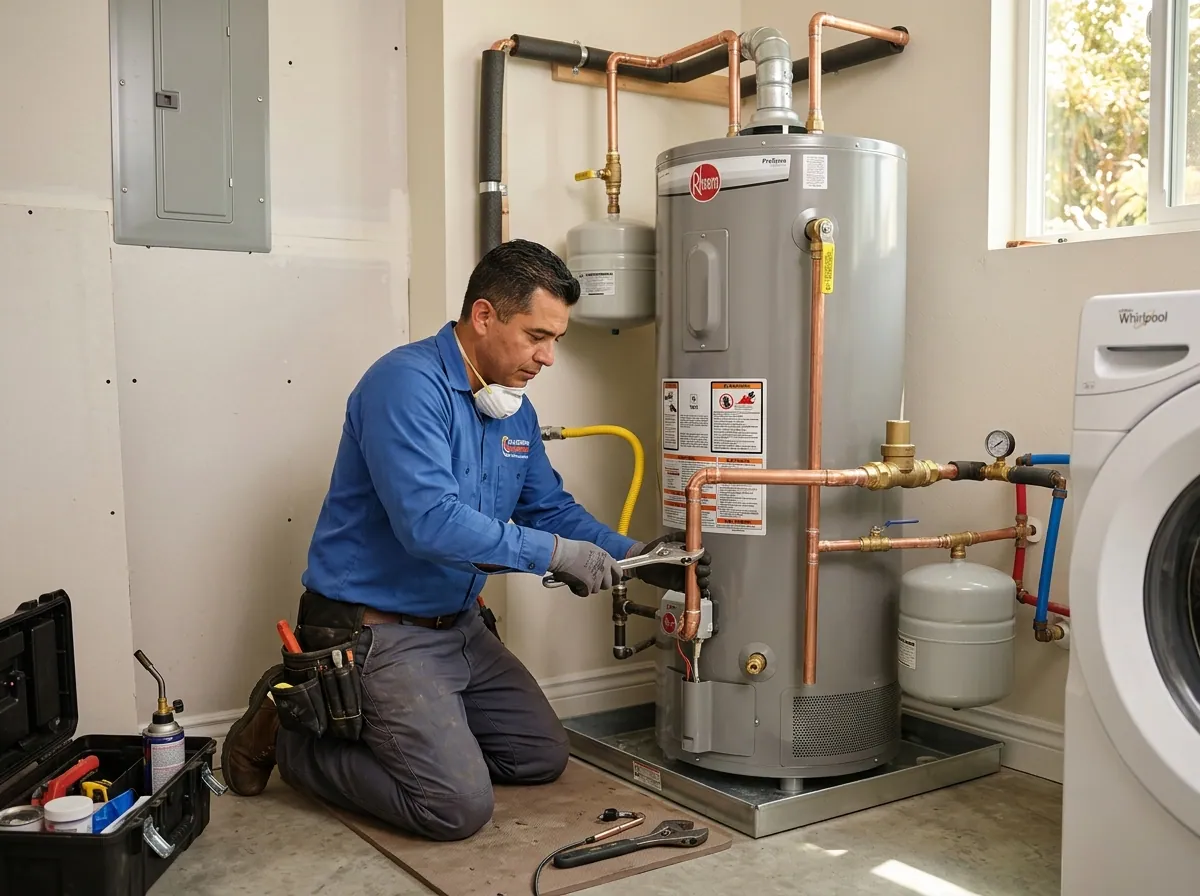
Our installer referral network delivers fast, professional water heater installation to single-family homes, historic properties, condominiums, townhouses, and multi-family buildings throughout Long Beach:
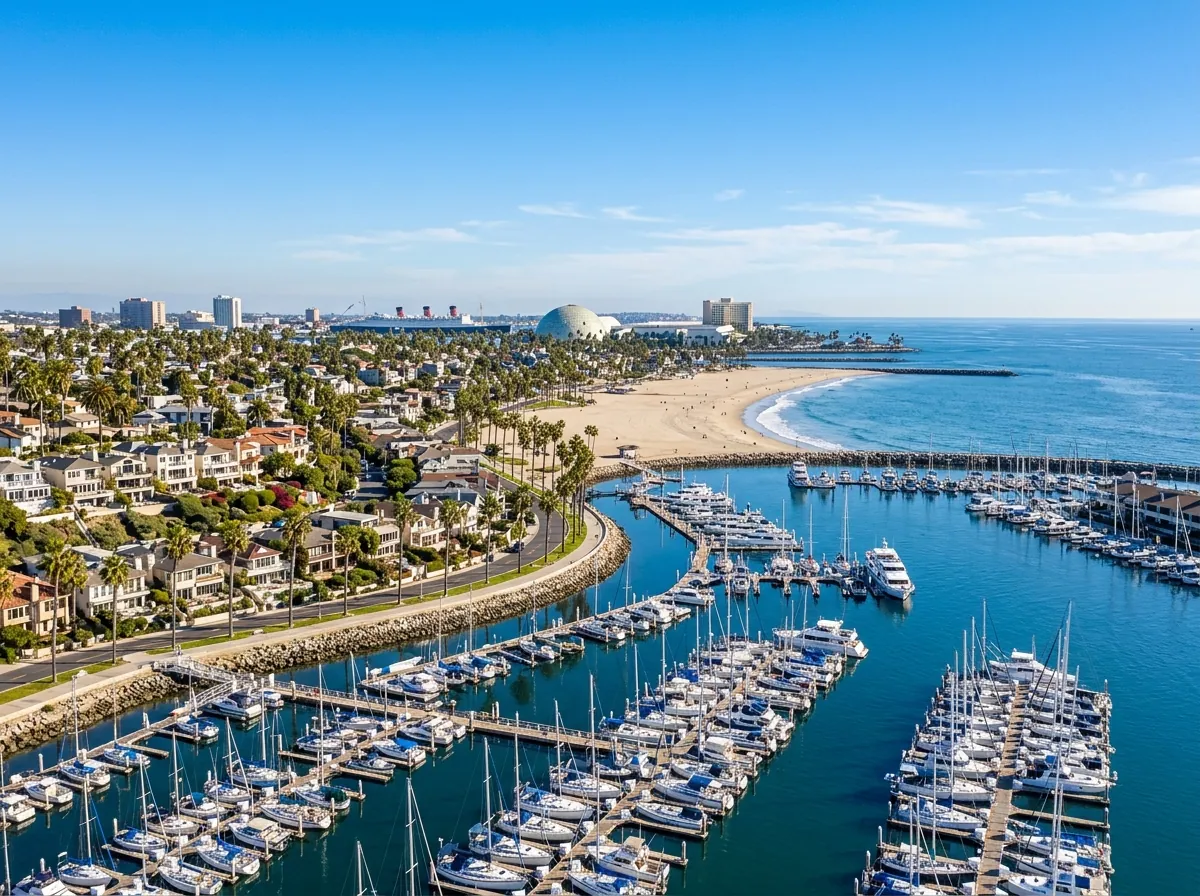
Find straightforward, factual answers to common homeowner questions regarding water heater installation costs, permitting, tankless conversions, and local Long Beach requirements.
Speak directly with a local specialist to review water heater options, sizing calculations, and scheduling across Long Beach.
Call (562) 271-5637Looking for repair, emergency service, or specialized equipment options? Learn more about our full network of local services.
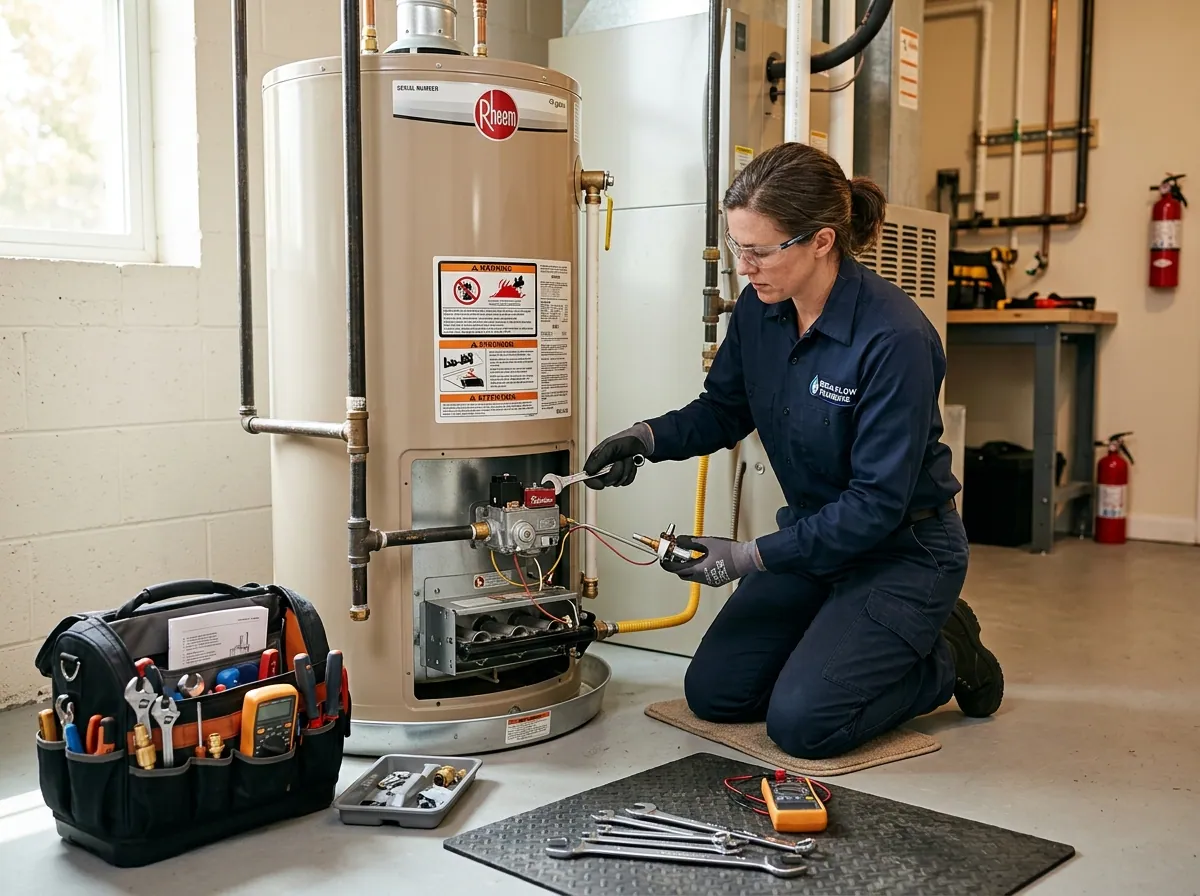
Read our expert advice on sizing, energy efficiency, and repair vs. replacement decisions for Long Beach area homeowners.
Explore our in-depth diagnostic guides, code requirements, maintenance checklists, and cost breakdowns written specifically for Long Beach property owners.
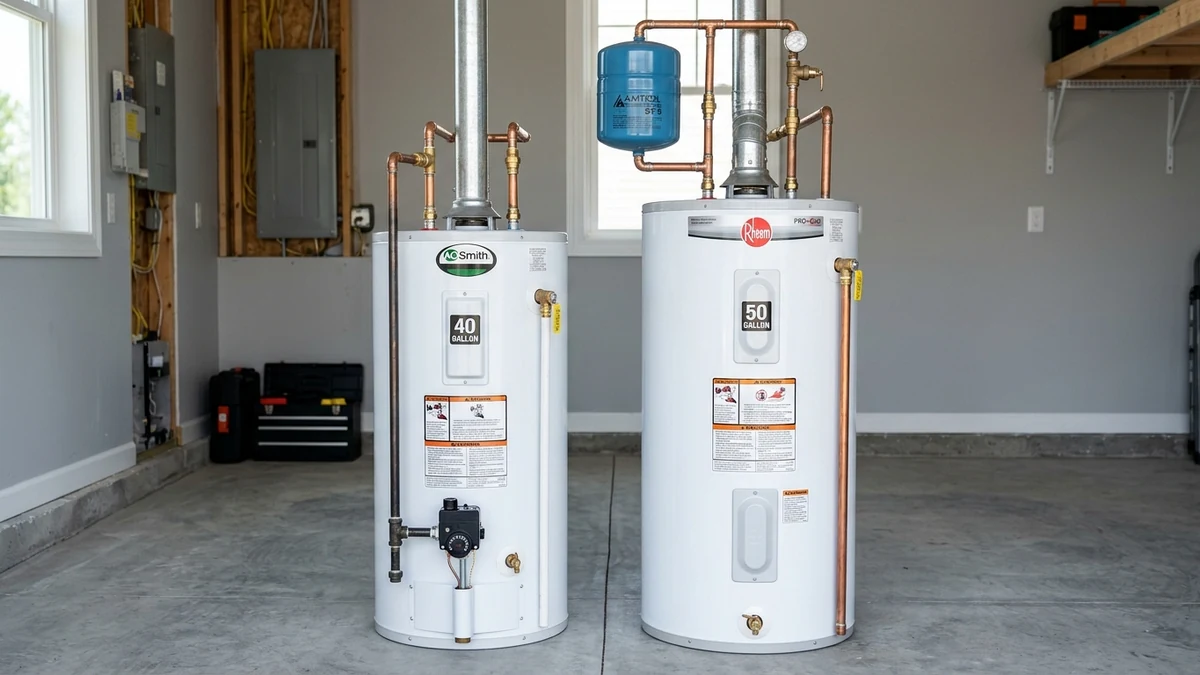
Calculate the perfect water heater capacity for your home. Explore First Hour Rating (FHR), peak-hour demand, and tank sizing guidelines for Long Beach homes.
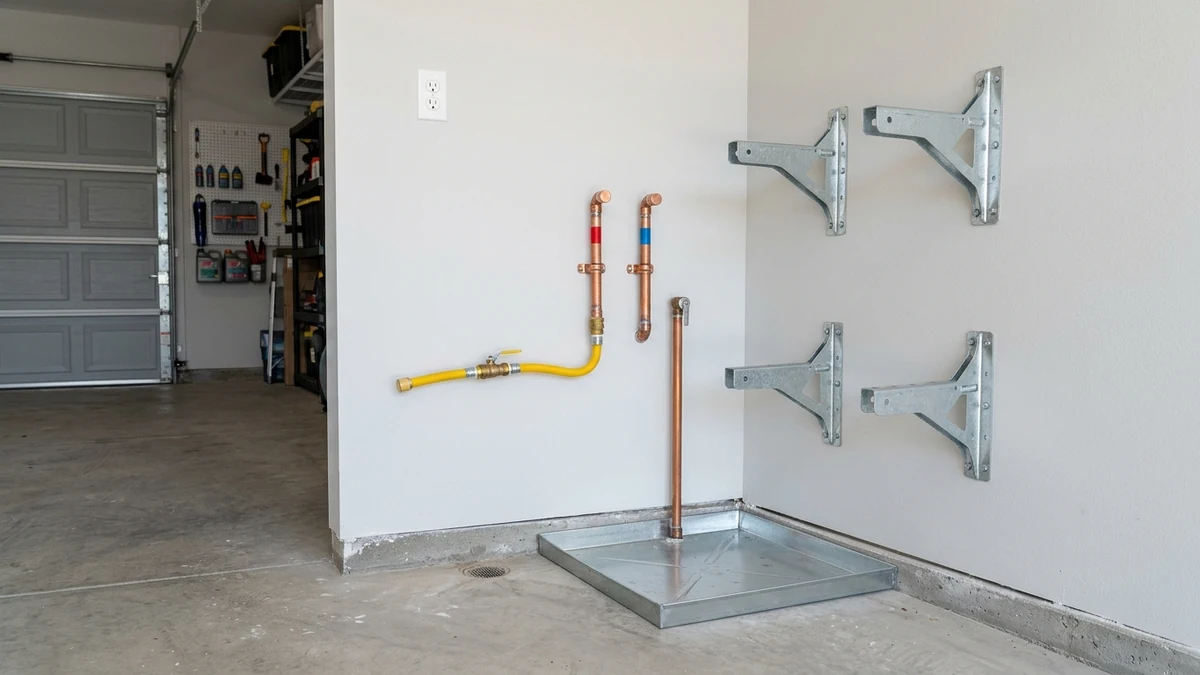
Prepare your home for a smooth water heater replacement. Review space clearances, drain pan hookups, electrical requirements, and municipal permit readiness.
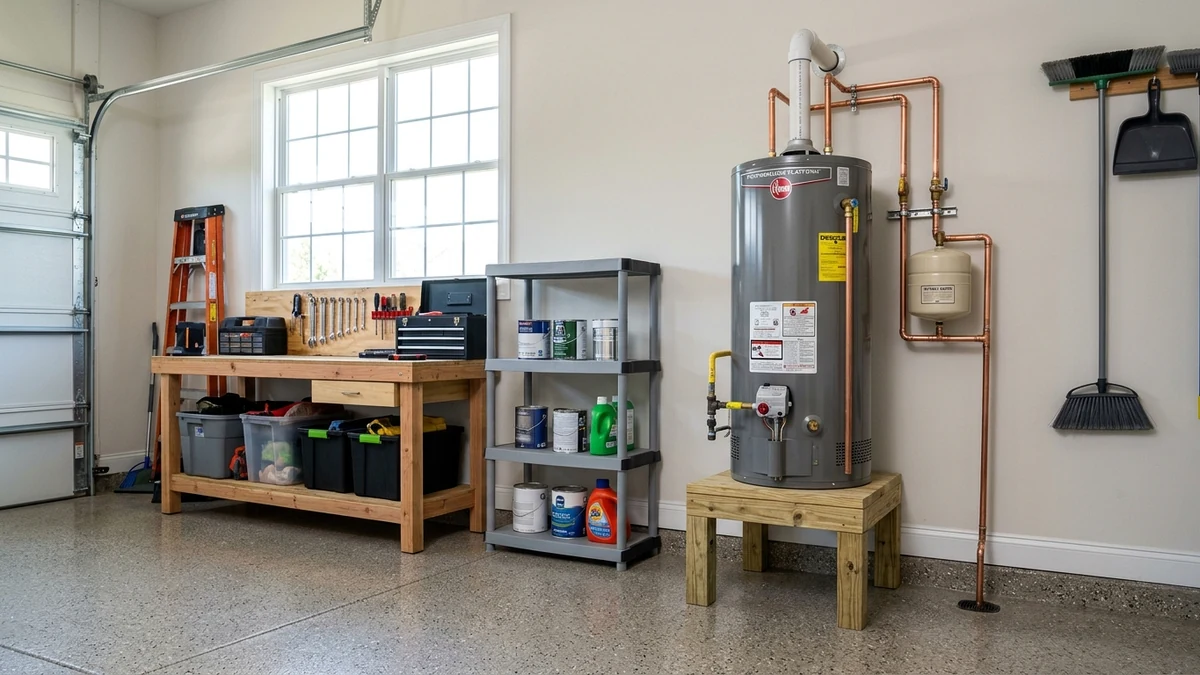
Compare water heater installation locations for Long Beach homes. Understand garage elevation rules, interior closet venting codes, and exterior enclosure guidelines.
Whether you need a new gas, electric, or on-demand tankless system, speak directly with an installation specialist to review unit sizing, pricing factors, and code requirements in Long Beach, California.
Direct Line: +1 (562) 271-5637 • Serving Long Beach, CA & Surrounding Coastal Areas