Explore Water Heater Projects & Service Solutions
From traditional storage tanks to modern tankless and heat pump systems, water heater projects vary by equipment, home infrastructure, and service requirements. Explore common project types and learn how Long Beach Water Heater helps homeowners connect with independent specialists.
Explore Water Heater Project Types
Filter by project scope to understand equipment considerations, code requirements, and connection pathways across common domestic hot water systems.
Installation
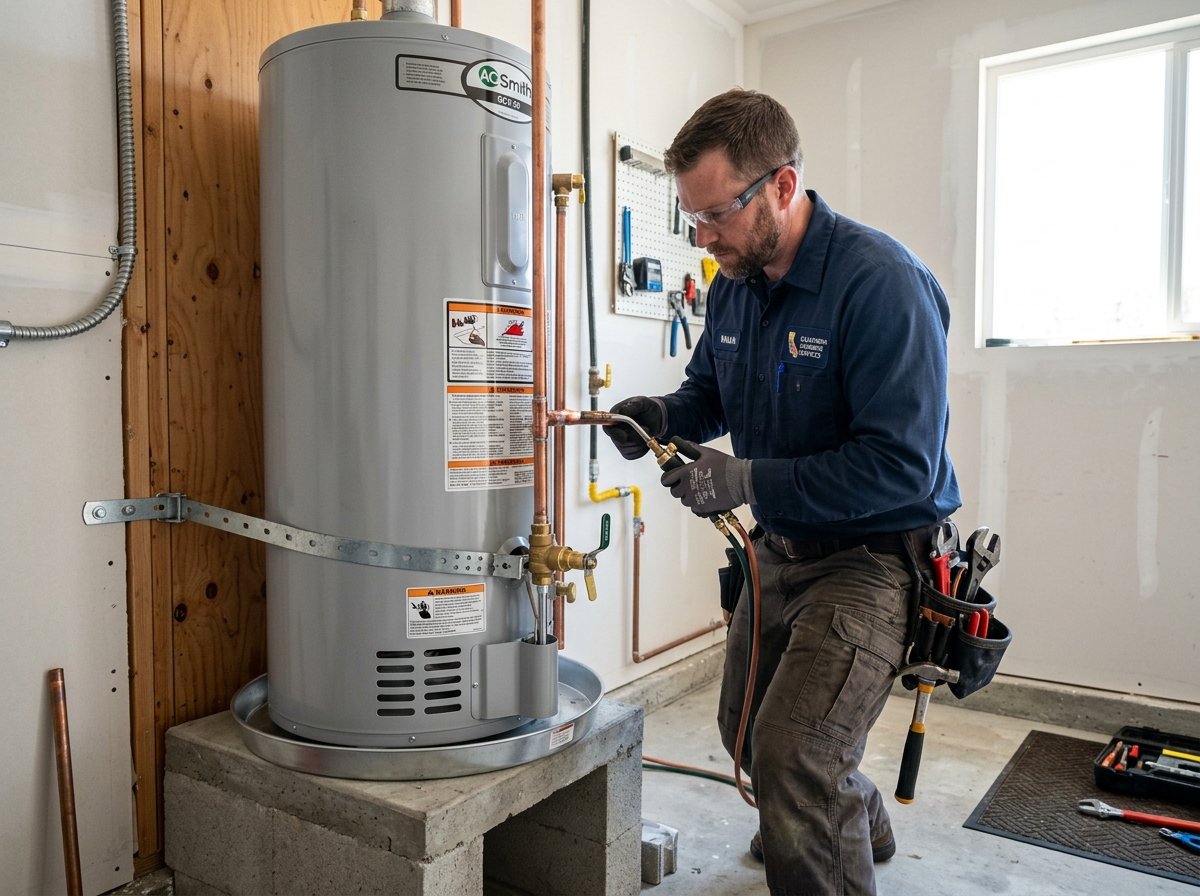
Traditional Water Heater Installation
Residential storage water heater installation planning, equipment placement, plumbing connections, and safety requirements.
View Service Details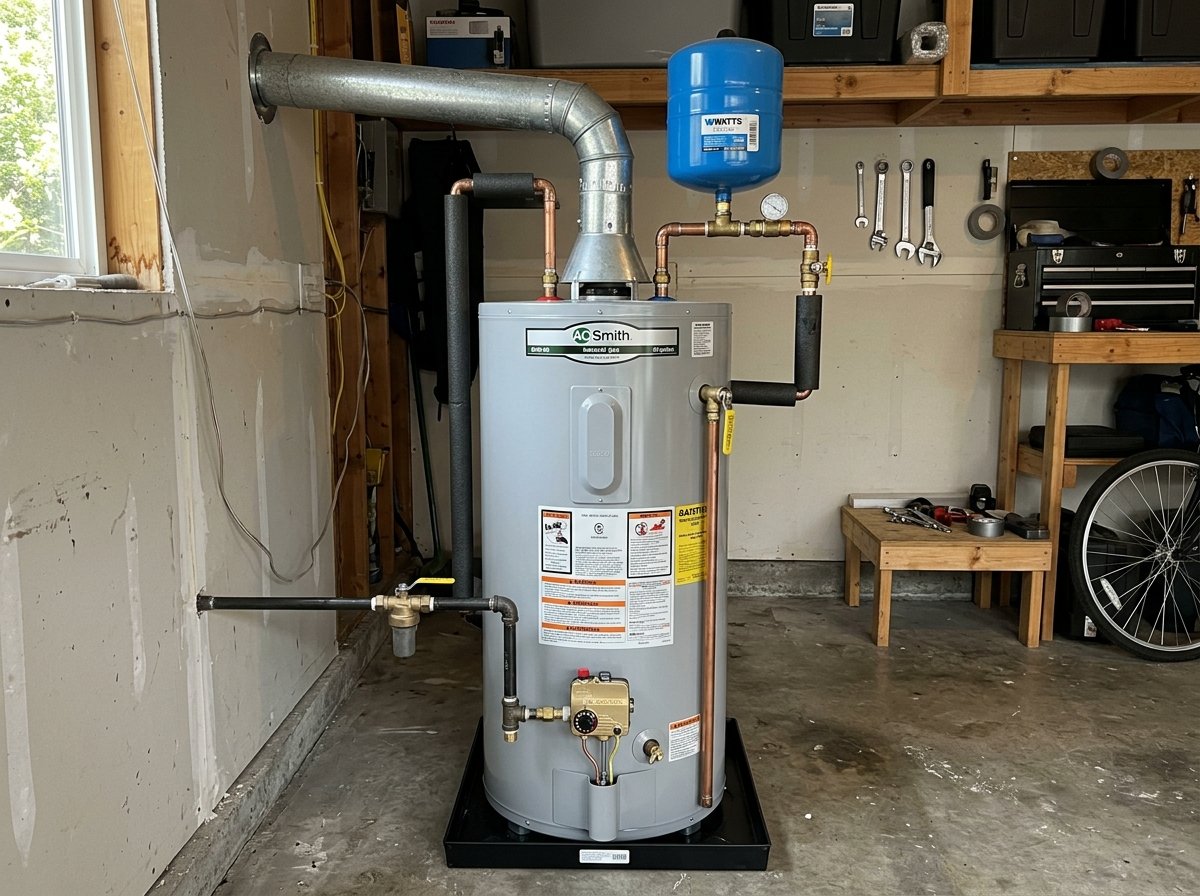 Gas Installation
Gas Water Heater Installation
Gas water heater installation considerations, including equipment compatibility, venting, and safe connection requirements.
View Service Details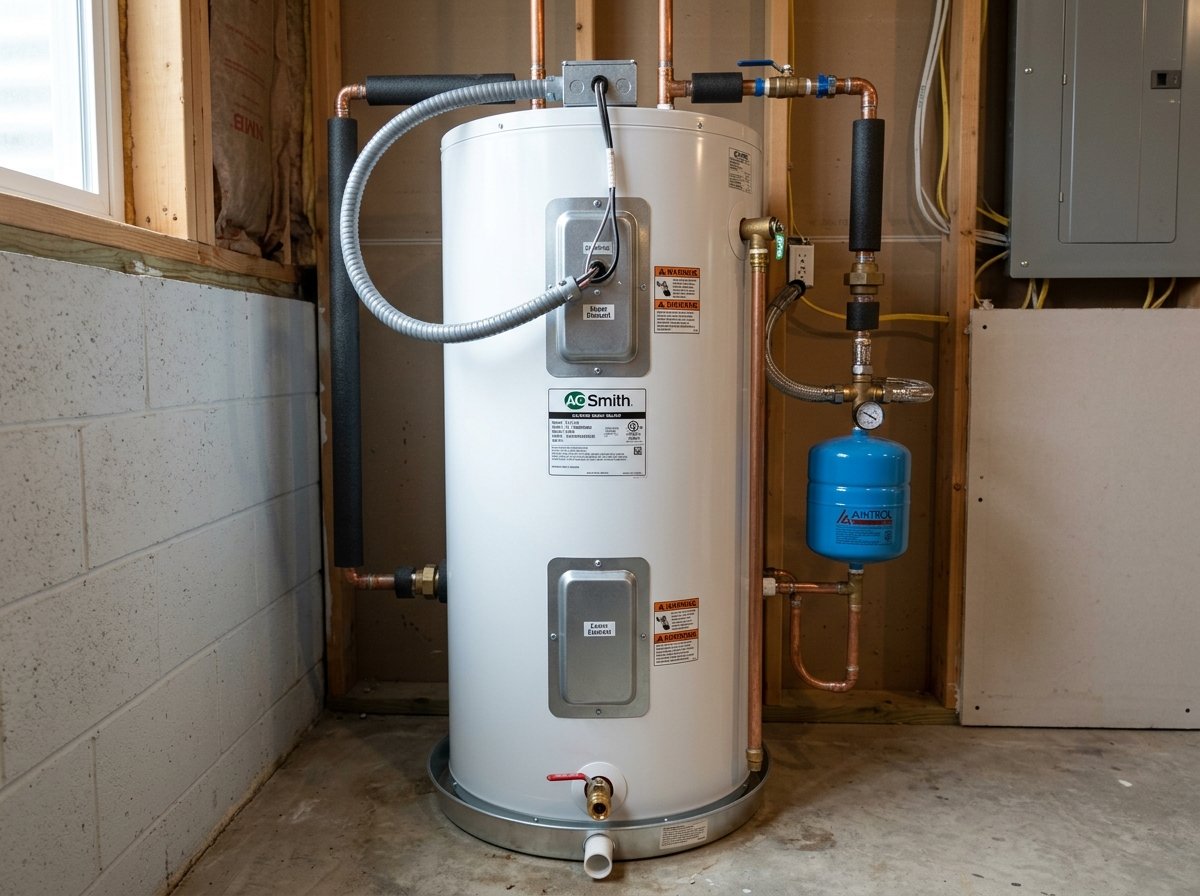 Electric Installation
Electric Water Heater Installation
Electric storage water heater installation, electrical readiness, equipment sizing, and plumbing compatibility.
View Service Details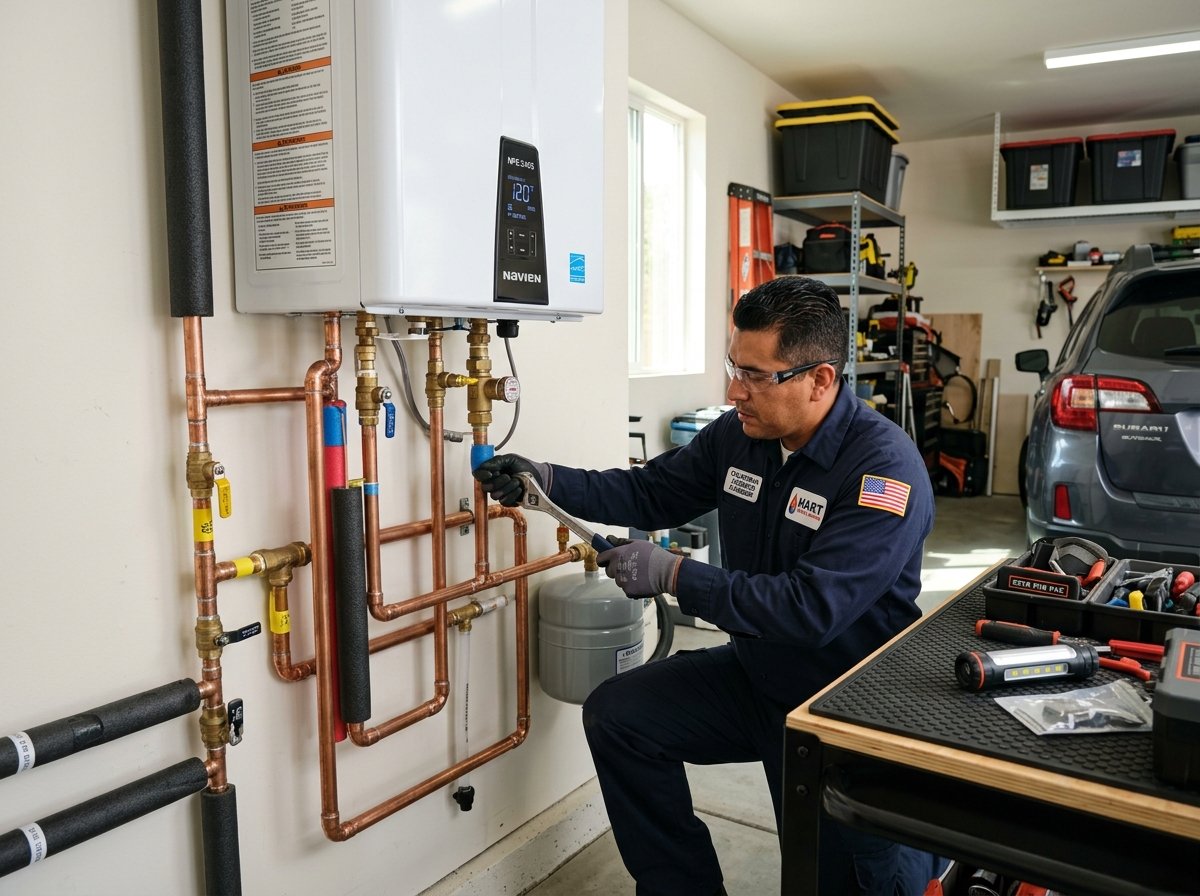 Tankless Installation
Tankless Water Heater Installation
Wall-mounted tankless systems, hot water demand planning, equipment sizing, and infrastructure compatibility.
View Service Details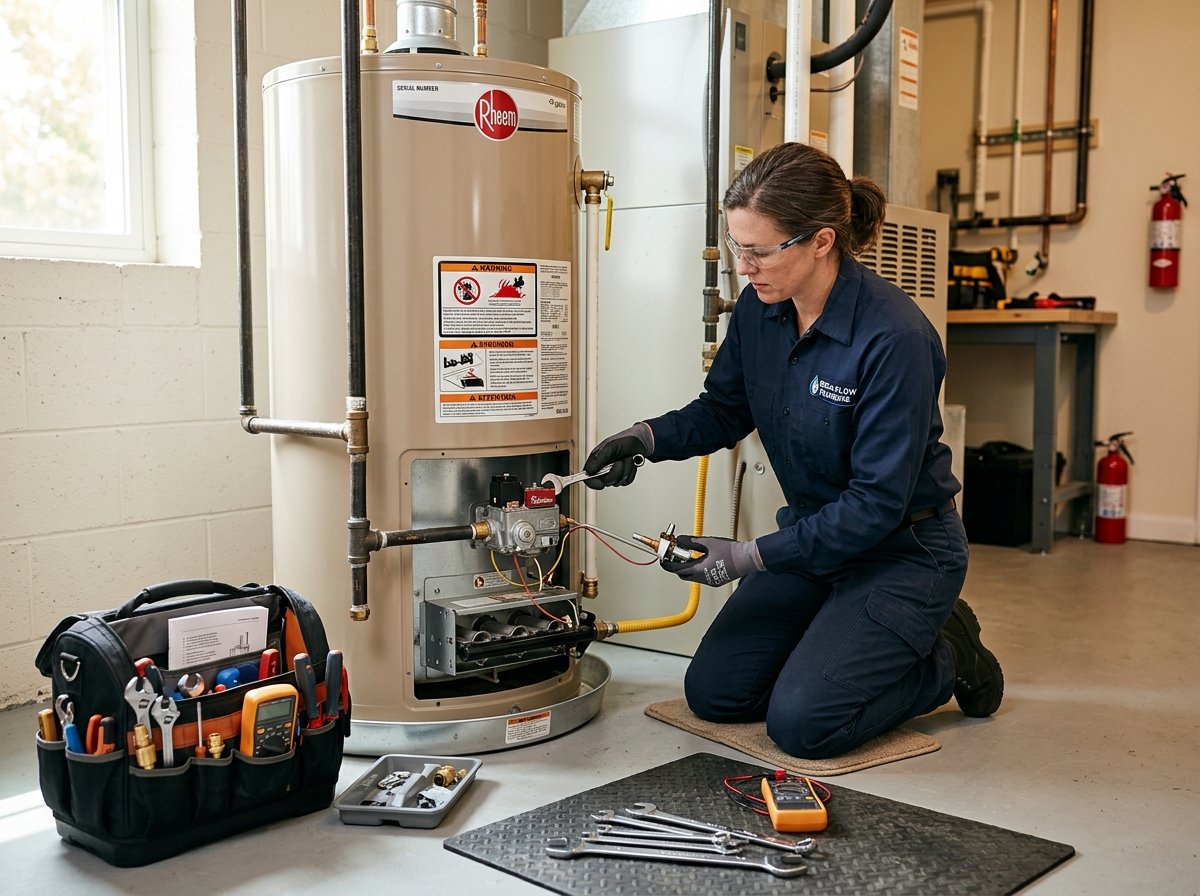 Repair
Water Heater Repair
Common residential water heater repair scenarios involving inconsistent heating, leaks, noises, and performance concerns.
View Service Details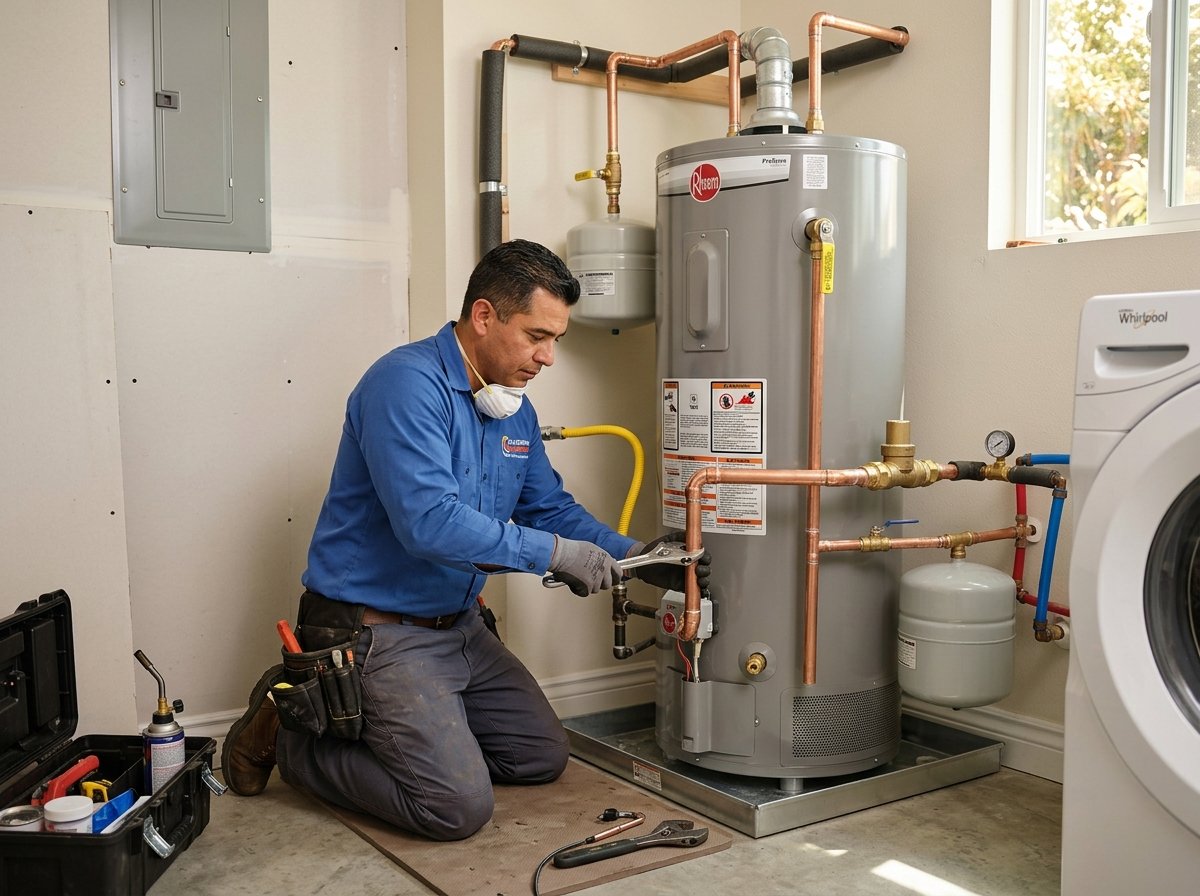 Gas Replacement
Gas Water Heater Replacement
Replacement planning for aging gas water heaters, including equipment compatibility and installation considerations.
View Service Details
Tankless Replacement
Tankless Water Heater Replacement
Tankless system replacement planning, equipment selection, capacity considerations, and connection requirements.
View Service Details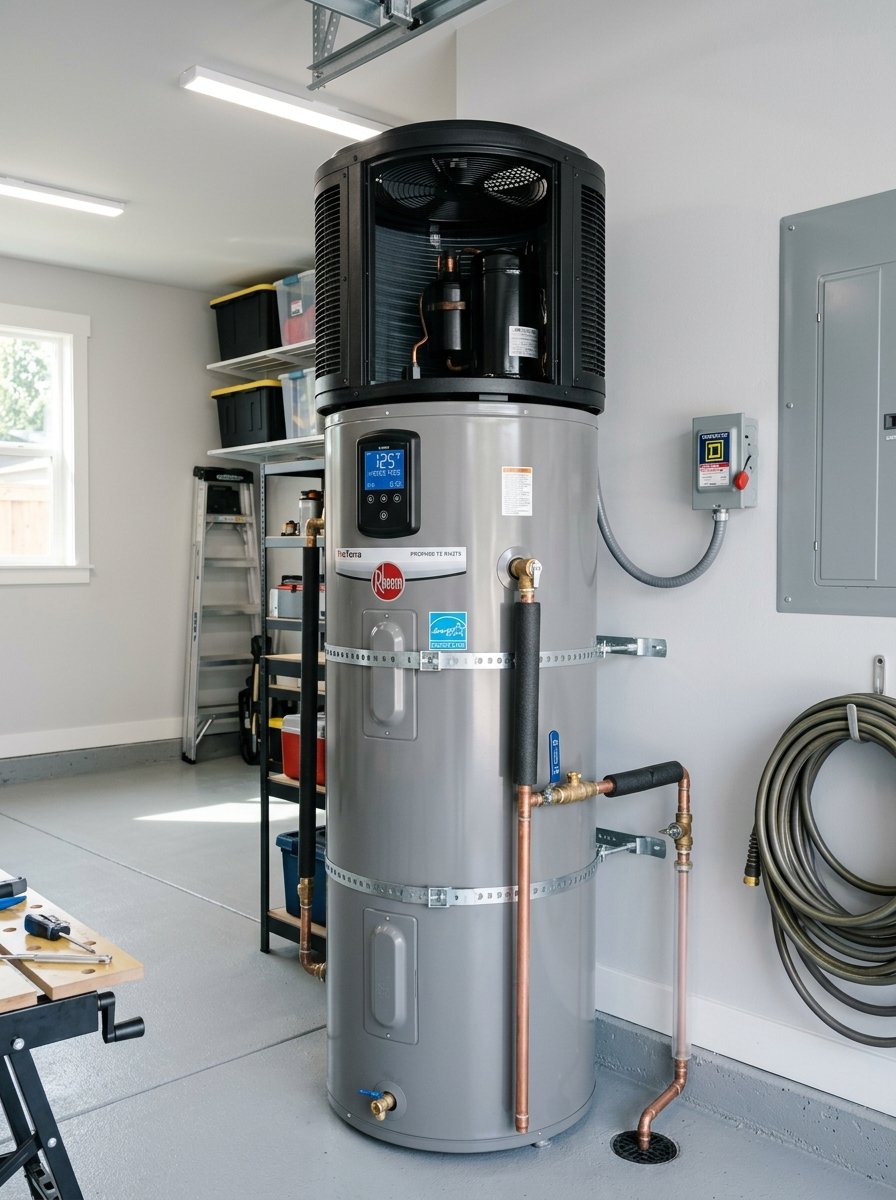 Heat Pump Setup
Heat Pump Water Heater Installation
Heat pump water heater installation planning, airflow requirements, electrical compatibility, and equipment placement.
View Service DetailsWater Heater Systems and Installation Solutions
Understand how storage, tankless, and hybrid heat pump technologies compare in equipment layout and household hot water delivery.
Traditional Storage Tanks
Conventional storage tanks remain the most common domestic hot water solution in Southern California, keeping 40 to 75 gallons of heated water ready for simultaneous fixtures.
- Lower initial upfront equipment and installation cost.
- Direct compatibility with existing gas lines or electrical circuits.
- Requires seismic earthquake strapping and expansion tank checks.
Tankless Water Heaters
On-demand tankless equipment flashes incoming cold water to target temperature only when hot water taps open, eliminating standby thermal tank losses.
- Saves valuable garage, closet, or utility room square footage.
- Continuous hot water delivery calibrated to Gallons Per Minute (GPM).
- Requires verification of gas supply line size and dedicated venting.
Heat Pump Water Heaters
Hybrid electric heat pumps capture heat from the surrounding air and transfer it into an insulated water tank, offering up to 3 to 4 times higher energy efficiency.
- Substantial reduction in household electrical energy consumption.
- Requires adequate air volume (typically 700+ cu. ft.) or ducting.
- Includes condensate drain lines and 240V dedicated circuit readiness.
What Can Change During a Water Heater Upgrade?
Upgrading an aging or failing hot water unit involves important infrastructural, energy, and physical layout changes. Here is what homeowners should consider.
What Happens During a Water Heater Service Project?
A clear look at the five sequential stages involved when homeowners arrange water heater repair, replacement, or installation.
Discuss Issue or Goal
Call to discuss the symptoms your water heater is experiencing, your household hot water demand, or your replacement objectives.
Evaluate Conditions
Review current fuel source (gas or electric), tank capacity, electrical panel availability, gas pipe diameter, venting, and physical space.
Review Suitable Options
Compare viable solutions, evaluating whether component repair makes economic sense or if equipment replacement is the safer, smarter choice.
Arrange Independent Work
Connect with an independent local plumbing contractor to confirm scope, technical qualifications, scheduling, and project pricing.
Confirm Completed Work
Directly review operating instructions, manufacturer warranties, safety shutoff protocols, and municipal inspection terms with the provider.
Water Heater Service Assistance Around Long Beach
Connect with independent local specialists serving Long Beach and 14 neighboring Gateway Cities and coastal communities.
Questions About Water Heater Projects
Find answers regarding the illustrative project gallery, equipment types, and our local referral process.
This gallery illustrates common residential water heating scenarios including traditional storage tank installations, natural gas setups, electric resistance storage units, compact on-demand tankless equipment, and energy-efficient heat pumps.
No. The imagery displayed on this page consists of illustrative examples of water heater equipment and installation environments. Long Beach Water Heater is an independent referral network, not a direct plumbing contractor; services are completed independently by licensed third-party specialists.
Yes. Simply call (562) 271-5637 to describe your home's setup. A representative can discuss your hot water demand, gas supply line diameter, and potential connection options with local tankless specialists.
Key factors include the age of your water heater (units over 10 years often warrant replacement), whether the leak originates from an external fitting or internal tank corrosion, recurrent repair costs, and energy efficiency goals.
Call (562) 271-5637. We coordinate service inquiries across Long Beach and 14 nearby coastal cities to connect property owners with independent service specialists.
Planning a Water Heater Project in Long Beach?
Whether you are considering installation, repair, or replacement, call Long Beach Water Heater to discuss your needs and available independent specialist referral options.
Call (562) 271-5637