Gas Water Heater Installation in Long Beach, CA
Planning a New Gas Water Heater? Start With the Right Equipment and Installation Requirements.
Installing a gas water heater involves more than choosing a tank size. Fuel supply, venting, equipment placement, safety requirements, and household hot water demand all matter. Long Beach Water Heater helps homeowners connect with independent service specialists who can evaluate gas water heater installation needs and discuss suitable options.
Direct telephone connection to independent service specialists. Inquiries: (562) 271-5637.
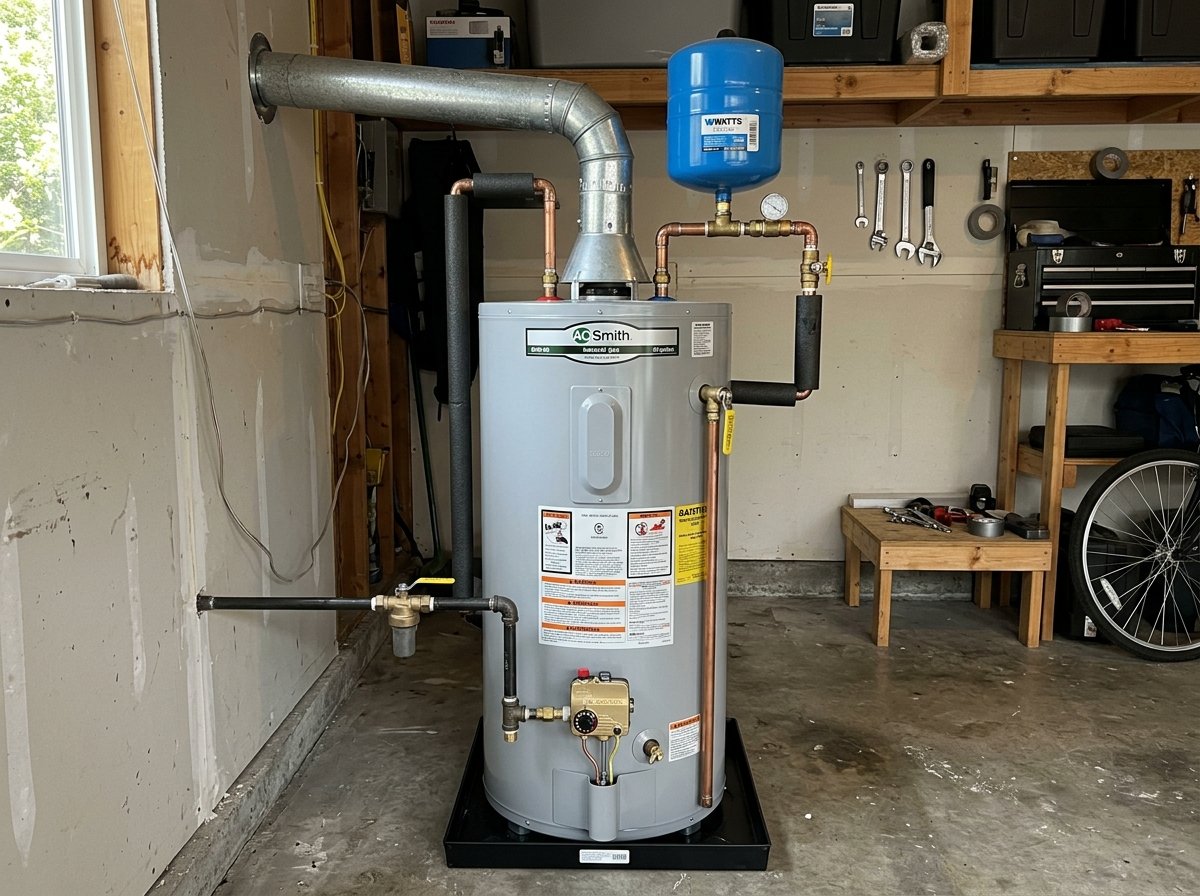
Verifying meter supply volume & pipe diameter
Checking B-vent, direct-vent, or chimney drafting
California code dual earthquake strapping
Adequate fresh airflow & service perimeter
What Goes Into Installing a Gas Water Heater?
A reliable gas water heater installation requires coordinating mechanical, plumbing, and structural components. Proper installation safeguards fuel delivery, optimizes thermal efficiency, and complies with regional safety mandates.
Selecting Appropriate Equipment
Matching household hot water volume, first-hour delivery demands, and physical space limits with an appropriate tank storage model.
Capacity & DemandsEvaluating Gas Supply Compatibility
Checking gas line diameter, fuel delivery pressure, meter capacity, and required BTU input to support reliable burner performance.
Gas Line VerificationReviewing Venting Requirements
Verifying chimney flue condition, Type B double-wall pipe sizing, vertical rise, draft hood clearances, or sidewall power-vent ducting.
Flue Exhaust RoutingChecking Location & Clearances
Confirming proper spacing from combustible framing, burner elevation requirements in garages, and accessible room for servicing.
Space & AccessAssessing Water Connections
Evaluating cold water shut-off valves, dielectric unions to stop galvanic corrosion, flexible supply lines, and thermal expansion needs.
Plumbing IntegrationConfirming Safety Requirements
Installing temperature and pressure (T&P) relief valves with downward drain lines, gas shut-off valves, and sediment drip legs.
Safety MechanismsPermits & Building Inspections
Following applicable City of Long Beach building regulations and municipal inspection protocols to confirm code compliance.
Regulatory Sign-OffTesting the Installed System
Executing draft tests, bubble leak testing on fuel connections, lighting the burner, and verifying accurate temperature regulation.
Operational ReviewProfessional Notice: Gas fuel supply lines, combustion venting, and thermal safety controls require certified technical assessment. Never attempt DIY gas line installations or unapproved venting alterations.
New Gas Water Heater Installation vs. Replacing an Existing Unit
Understanding whether your project is a brand-new installation or an equipment replacement helps clarify the technical scope, structural preparations, and infrastructure updates required.
First-Time Gas Water Heater Installation
Installing gas water heating equipment in a location without an existing unit involves comprehensive utility establishment. This typically occurs during home additions, major remodels, or fuel-source conversions.
- Gas Supply Routing: Extending dedicated black iron or CSST gas piping from the primary manifold to the installation site.
- Exhaust Vent Penetration: Creating code-compliant roof or exterior wall penetrations for flue gases and combustion air intake.
- Plumbing Distribution Lines: Running new cold water supply feeds and connecting heated distribution lines into household fixtures.
- Platform & Anchorage: Installing structural backing studs, elevation platforms in garages, and California seismic anchors.
Replacing an Existing Gas Water Heater
Replacing an existing unit typically benefits from preexisting plumbing and fuel connections. However, newer high-efficiency units often have differing dimensions and modern code requirements.
- Dimensional Adjustments: Contemporary energy standards require thicker tank insulation, making modern units wider and taller than older models.
- Venting Re-Evaluation: Verifying existing B-vent pipes or masonry chimneys for corrosion, sizing compatibility, and proper pitch.
- Safety Upgrades: Bringing aged installations up to current California codes with updated seismic strapping and thermal expansion tanks.
- Disposal & Draining: Safely draining, disconnecting, and hauling away the deteriorating existing tank for recycling.
Choosing a Gas Water Heater for Your Household
Selecting the ideal gas water heater depends on household usage habits, peak hot water demands, space constraints, and equipment ratings. Here are the core factors specialists review:
Household Hot Water Demand
Evaluate the number of bathrooms and occupants, along with simultaneous activities like morning showers, dishwashing, and laundry cycles.
Storage Capacity
Standard residential gas tanks typically range from 30 to 75 gallons. Tank size provides the buffer needed before recovery heating kicks in.
First-Hour Rating (FHR)
FHR measures the total gallons of hot water the heater can supply in an hour starting with a fully heated tank during high-demand morning hours.
Recovery Performance
Gas water heaters generally reheat faster than electric models. Burner BTU ratings determine how quickly fresh cold water is brought up to temperature.
Energy Efficiency (UEF)
Review Uniform Energy Factor ratings, electronic ignition controls, and low-NOx burner systems engineered to meet Southern California air standards.
Physical Dimensions & Space
Carefully measure hallway entries, closet door frames, ceiling height, and required service clearances before finalizing equipment purchases.
Is Your Home Ready for Gas Water Heater Installation?
Review this 10-point checklist to understand what a professional installer checks when assessing whether your Long Beach home is prepped for a gas storage water heater.
Suitable Gas Supply
Dedicated supply piping delivering the appropriate fuel pressure and cubic-feet-per-hour BTU capacity.
Compatible Venting Arrangement
A sound, properly pitched vertical B-vent, direct vent, or power-vent duct that safely clears combustion exhaust.
Appropriate Combustion Air
Sufficient room cubic footage or dedicated exterior air louvers providing continuous oxygen for burner ignition.
Sufficient Equipment Space
A stable, level floor or platform capable of holding the full filled weight of the water heater tank.
Manufacturer-Required Clearances
Adequate clearance between the heater shell, draft hood, and nearby drywall, wood framing, or stored items.
Suitable Plumbing Connections
Accessible cold water supply isolation valve, sound piping, and dielectric fittings to isolate metal reactions.
Safe Relief Provisions (T&P)
Full-size temperature and pressure relief valve discharge pipe draining safely downward to an approved exterior point.
Applicable Seismic Restraints
Heavy-gauge steel seismic straps securing the upper and lower thirds of the tank directly to structural wall framing.
Installation & Service Access
Clear passage through doorways, gates, and stairways to remove old units and access burner controls for maintenance.
Permits & Inspection Protocols
Preparedness to coordinate required permits and final safety inspections under local municipal guidelines.
Why Gas Supply Compatibility Matters
Gas water heaters require a reliable, properly sized fuel supply to operate cleanly and safely. Equipment input ratings vary widely by model—from standard 36,000 BTU/hr residential atmospheric tanks to 75,000+ BTU high-recovery units.
Existing gas infrastructure may need professional evaluation before installation. If a pipe run is too small in diameter, or if other household appliances (such as a furnace, range, or clothes dryer) demand significant fuel simultaneously, gas pressure to the water heater can drop. This can cause incomplete combustion, burner sooting, or pilot outages.
Appliance connections must strictly follow manufacturer instructions and applicable local codes. Certified shut-off valves, approved flexible gas connectors, and sediment drip legs are mandatory safety components. All changes to gas lines must be executed by licensed, qualified professionals.
Sediment Trap Note: A sediment trap (drip leg) must be installed ahead of the gas control valve to capture debris, pipe scale, and moisture before they enter sensitive burner controls.
Gas Connection Anatomy
Code LabeledKey connection points evaluated during a professional gas water heater installation:
Ball valve installed within 6 feet of the heater in the same room for instant emergency fuel shutoff.
Nipple and cap tee positioned downstream of the shutoff to trap particles and rust flakes from the gas pipe.
Corrosion-resistant stainless steel flex connector absorbing ground motion without shearing during seismic events.
Regulates gas pressure to the main burner, monitors water temperature, and includes automatic safety shutoffs.
Flammable Vapor Ignition Resistant chamber with flame arrestor preventing external vapor ignition.
Gas Water Heater Venting and Combustion Air Requirements
Fuel-burning water heaters generate combustion byproducts—including water vapor and carbon monoxide—that must be safely exhausted outdoors. Adequate combustion air is equally critical to guarantee clean, safe fuel burning.
Atmospheric B-Vent Drafting
Relies on natural thermal buoyancy (hot exhaust rising) through a vertical metal B-vent flue penetrating through the roofline. Must maintain consistent upward slope.
Power Vent Systems
Utilizes an electric blower fan to push exhaust horizontally through exterior side walls using approved PVC, CPVC, or polypropylene piping.
Direct Vent Technology
Draws 100% of combustion air from outdoors through a dual-wall pipe while simultaneously expelling exhaust outside, completely isolated from indoor air.
Combustion Air & Existing Vent Compatibility
Gas burners require a continuous volume of oxygen to achieve complete combustion. If installed in an unconfined area (such as an open garage), ambient room air may suffice. However, in small closets or utility rooms, dedicated high and low combustion air louvers connected to the outdoors or attic space are mandatory.
Warning on Existing Vents: Never assume an existing vent pipe is compatible with a new appliance. Corroded single-wall pipes, undersized chimney liners, or improper clearance can result in dangerous backdrafting.
Critical Combustion Safety Notice
"Improper combustion or venting can create serious hazards, including carbon monoxide exposure. Installation and inspection should be performed by qualified professionals."
Water Heater Seismic Safety Considerations in California
Long Beach sits in an active seismic region proximate to the Newport-Inglewood fault zone. Proper earthquake strapping protects your family, prevents ruptured gas lines, and stops sudden flooding during tremors.
California Seismic Mandates
Earthquake-related movement can easily tip an unsecured 400-to-500-pound water heater. Under California Health and Safety Code requirements, all water heaters must be braced, anchored, or strapped to resist falling or horizontal displacement during seismic events.
Applicable guidelines require heavy-duty metal strapping anchored into solid wall framing studs using lag screws. Restraint methods depend on whether the unit sits against drywall, concrete block, or freestanding framing.
Protecting Fuel & Water Connections
Rigid steel pipe connections can shear cleanly off during ground tremors, leading to uncontrollable natural gas leaks and major fire hazards.
A code-compliant seismic installation pairs certified structural anchoring with flexible stainless steel gas connectors and flexible copper or braided water lines. These flexible connectors allow slight movement without rupturing.
Where Can a Gas Water Heater Be Installed?
Building codes dictate where gas appliances may be situated to minimize fire danger, guarantee combustion air, and prevent physical damage. Not every location is acceptable for every model.
Core Location Constraints to Verify:
Every installation location must provide safe venting access, sufficient combustion air, manufacturer-mandated service clearances (typically at least 24 inches in front for burner access), sound plumbing connections, and durable physical protection against accidental damage.
What Affects Gas Water Heater Installation Cost in Long Beach?
Rather than generic flat estimates, the true cost of installing a gas water heater depends on equipment specifications and home infrastructure variables. Key pricing drivers include:
Equipment Capacity & Type
Tank volume (40 vs 50 vs 75 gallons), atmospheric vs power-vent design, and manufacturer warranty tiers.
Existing Gas Supply Lines
Whether existing black pipe diameter and gas pressure support the new burner or require line upsizing.
Venting Compatibility
Upgrading deteriorated flue pipes, installing new Type B vents through the roof, or routing power-vent ducts.
Plumbing Adaptations
Re-piping corroded water lines, soldering copper fittings, installing new ball valves, or adding expansion tanks.
Location & Access
Tight crawlspaces, outdoor closets, or elevated stands demand more labor than an open, accessible garage.
Safety Components
California-mandated earthquake strapping, pressure relief discharge pipes, and safety drain pans.
Old Equipment Removal
Labor to drain, disconnect, haul away, and environmentally dispose of or recycle the aged tank.
Permits & Inspections
Municipal permit filing fees and required City of Long Beach Building & Safety Bureau inspections.
Need an Accurate Evaluation for Your Long Beach Home?
Discuss your home's setup, equipment capacity, and installation goals directly with independent local specialists.
Call to Discuss Installation RequirementsWhat Happens During a Professional Gas Water Heater Installation?
Independent service specialists follow a systematic six-stage protocol to ensure safety, code compliance, and reliable hot water delivery.
Initial Phone Inquiry
Discuss your home's setup, family size, current equipment, and installation timeline with a specialist.
Site Assessment
A qualified technician evaluates placement, gas pipe volume, venting condition, clearances, and water pressure.
Equipment Selection
Choose equipment sized for your demand, matching fuel supply, recovery requirements, and budget parameters.
Installation Prep
Shut off gas and water lines safely, prep the drain pan, mount seismic studs, and prepare piping connections.
Equipment Installation
The heater is positioned, seismically secured, and connected to gas, venting, and water lines according to code.
Testing & Safety Review
Verify gas leak tightness, check draft flow, ignite the burner, test T&P relief, and set optimal water temp.
Important Gas Water Heater Safety Considerations
Natural gas is a clean, cost-effective fuel, but fuel-burning appliances require diligent safety standards to safeguard your household against leaks, fires, and carbon monoxide hazards.
Gas Leak Awareness
Natural gas contains mercaptan, giving it a distinctive "rotten eggs" scent. Bubble testing on joints and electronic gas detectors verify joint integrity before firing.
Carbon Monoxide Risks
Carbon monoxide (CO) is odorless and invisible. Blocked, undersized, or disconnected venting can cause backdrafting. Working CO alarms must be installed nearby.
Venting & Draft Clearance
Flue pipes must maintain mandatory clearance from combustible walls and roof rafters. Draft hoods must draft cleanly under all household ventilation conditions.
Adequate Combustion Air
Starving a burner of oxygen creates yellow, sooty flames and elevates toxic carbon monoxide production. Air louvers must remain clean and unobstructed.
T&P Relief Protection
The temperature and pressure relief valve prevents dangerous tank over-pressurization. Its discharge pipe must terminate safely without threads or caps.
Professional Maintenance
Annual professional inspections check anode rod health, flush sediment buildup, test burner ignition, and confirm safety shut-off valve responsiveness.
Emergency Safety Protocol: Gas Leaks & Carbon Monoxide
"If you smell gas, leave the area immediately. Do not operate electrical switches or use ignition sources. Contact your gas utility or emergency services from a safe location. For suspected carbon monoxide exposure, move to fresh air and seek emergency assistance."
Gas Water Heater Installation Considerations in Long Beach, CA
Long Beach features a diverse housing landscape—from vintage 1920s Craftsman bungalows in Belmont Shore and historic Bluff Heights to mid-century tract homes in East Long Beach and contemporary downtown condominiums.
Coastal marine air along the Pacific shoreline accelerates exterior oxidation, making corrosion-resistant fittings, dielectric unions, and proper enclosure weatherproofing vital. Additionally, older homes often feature galvanized plumbing and legacy masonry chimneys that require updated copper transitions and Type B double-wall liners.
Regulatory Accuracy: "Gas water heater installation may require permits and inspections depending on the work and applicable local requirements. Confirm current requirements with the City of Long Beach Building and Safety Bureau or a qualified local professional."
Common Neighborhood Setups
Local specialists regularly coordinate gas water heater installations across diverse Long Beach communities:
Questions to Ask Before Installing a Gas Water Heater
Equip yourself for a productive consultation. Review these essential questions with your specialist before installation begins:
What tank capacity is appropriate for our household size and fixture count?
What first-hour rating (FHR) is needed to avoid morning hot water shortages?
Is the existing gas supply line size and meter pressure adequate for this model?
Is the existing chimney or B-vent flue fully compatible, or are modifications needed?
Does the installation location meet manufacturer combustion air and clearance rules?
Are California seismic restraints required, and will they anchor directly into wall studs?
Will plumbing adaptations, like an expansion tank or new shutoff valve, be necessary?
What municipal permits or Building & Safety inspections apply to this installation?
What manufacturer warranty coverage applies to the tank body and functional components?
What routine annual maintenance does this model require to maintain optimal efficiency?
Gas Water Heater Installation Assistance in Long Beach & Nearby Communities
Connecting homeowners across Long Beach and neighboring cities with independent, qualified water heater service specialists:
Gas Water Heater Installation FAQs
Common questions Long Beach property owners ask when preparing for a gas water heater installation:
Installation involves equipment selection, reviewing gas supply and venting compatibility, preparing appropriate connections, meeting applicable safety requirements, and verifying system operation.
A garage may be suitable when the specific equipment and installation meet applicable location, clearance, venting, and safety requirements.
Not always. The existing venting must be evaluated for compatibility with the selected appliance and applicable requirements.
Capacity selection depends on household demand, first-hour rating, recovery performance, and usage patterns.
Seismic restraint requirements may apply. The correct installation method should follow current applicable requirements and equipment instructions.
Permit and inspection requirements depend on the installation scope and current local rules. Confirm with the City of Long Beach or a qualified local professional.
The timeframe depends on the equipment, site conditions, required modifications, and applicable inspections. Avoid assuming every project has the same duration.
A conversion may be possible, but gas supply, venting, location, safety, and applicable requirements must be evaluated.
Explore Related Water Heater Services
Explore other residential water heater repair, replacement, and installation services available throughout Long Beach:
Gas Water Heater Repair
Diagnostics for pilot light outages, thermocouples, gas valves, burner issues, and heating failure.
View Gas Repair Guide →Gas Water Heater Replacement
Upgrading aging or leaking residential gas storage tanks with modern energy-efficient models.
View Gas Replacement Hub →Water Heater Installation
Comprehensive installation assistance across gas, electric, hybrid, and tankless configurations.
View General Installation Hub →Water Heater Replacement
End-of-life replacement strategies, sizing advice, and removal coordination for all fuel types.
View General Replacement Hub →Emergency Water Heater Repair
Urgent phone dispatch coordination for major tank leaks, broken valves, and sudden total hot water loss.
View Emergency Dispatch →Planning Gas Water Heater Installation in Long Beach?
Whether you are planning a new gas water heater installation or evaluating equipment for your home, call Long Beach Water Heater to discuss available professional service assistance.
Phone-based inquiries. Service availability and arrangements depend on independent specialist scheduling.