Electric Water Heater Installation in Long Beach, CA
Planning an Electric Water Heater Installation? Start With the Right Equipment and Electrical Requirements.
Installing an electric water heater involves choosing suitable equipment, evaluating electrical capacity, checking plumbing connections, and meeting applicable safety requirements. Long Beach Water Heater helps homeowners connect with independent service specialists who can discuss electric water heater installation options for their homes.
Speak directly with a licensed local specialist: (562) 271-5637.
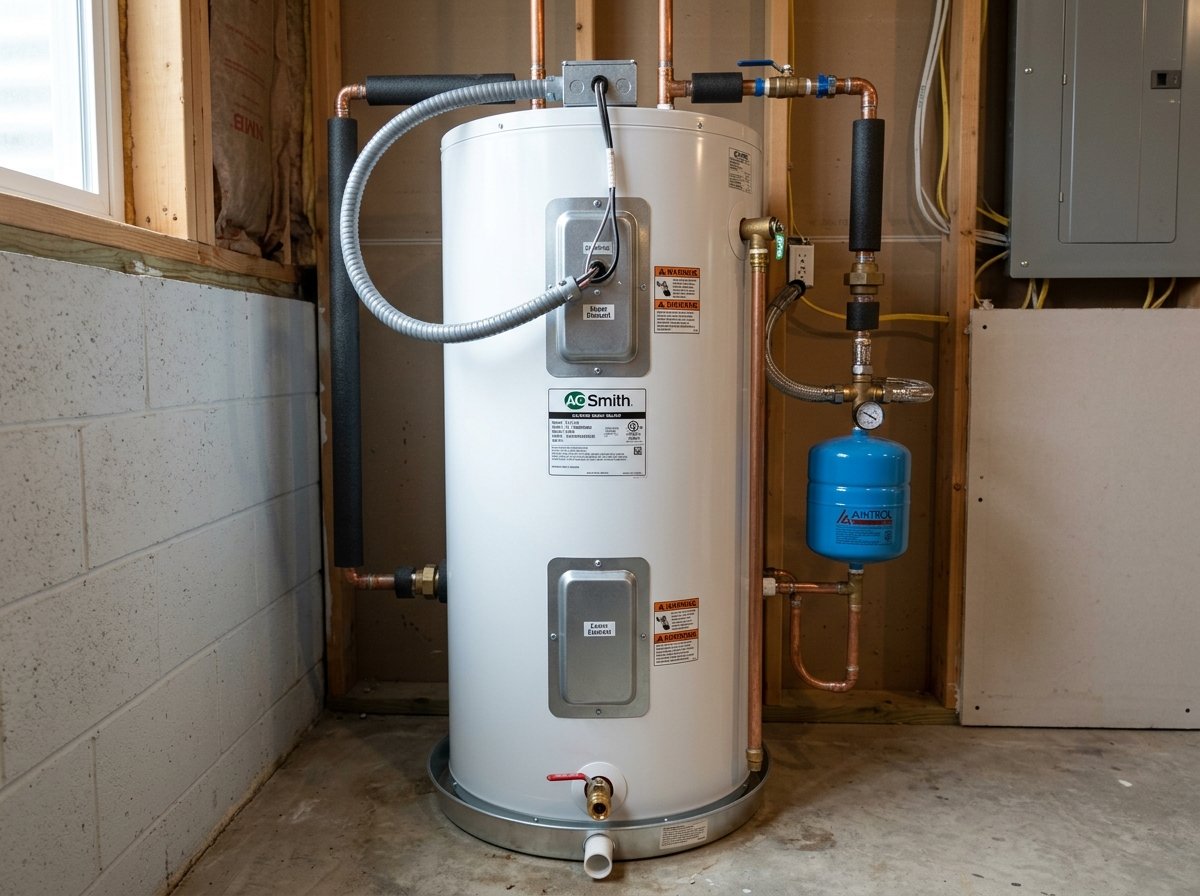
Residential Resistance Storage Heating
Electric storage water heaters provide dependable household hot water using submerged dual electric resistance elements. Planning an installation requires verifying adequate electrical panel headroom, dedicated breaker capacity, and sound plumbing integration.
What Goes Into Installing an Electric Water Heater?
Installing an electric water heater requires evaluating electrical circuits, structural positioning, and plumbing connections to ensure safe, code-compliant, and energy-efficient performance.
Choosing Appropriate Equipment
Selecting an electric water heater model that matches household hot water usage, available physical space, and recovery rate expectations.
Reviewing Electrical Capacity
Confirming that the home's main service panel has sufficient spare amperage capacity to power a major electrical heating appliance safely.
Checking Circuit Compatibility
Verifying dedicated circuit breaker amperage, conductor wire gauge, and voltage rating against manufacturer nameplate data.
Assessing Plumbing Connections
Evaluating cold water supply isolation valves, dielectric unions, flexible water connectors, and thermal expansion control needs.
Selecting Installation Location
Choosing an accessible location with adequate service clearances, drain pan provisions, and protection from accidental water leakage.
Reviewing Safety Requirements
Installing temperature and pressure relief valves, seismic strapping anchored to structural studs, and safe electrical disconnect switches.
Confirming Permits & Inspections
Coordinating necessary electrical and plumbing permits with the City of Long Beach Building and Safety Bureau for final sign-off.
Testing System Operation
Filling the tank completely to prevent element dry-fire, energizing the circuit, testing thermostats, and confirming safe operating temperatures.
How Does a Traditional Electric Water Heater Work?
Unlike fuel-burning gas models, electric water heaters do not produce exhaust fumes or require a chimney flue. They use electrical resistance elements submerged directly within a sealed steel storage tank to heat water safely and quietly.
Electric Tank Anatomy
Understanding how internal components work together ensures proper electrical and plumbing connections during installation:
Sequential element operation ensures only one 4,500-watt heating element operates at a time to prevent circuit overloads.
Is Your Home Electrically Ready for a New Water Heater?
Electric storage water heaters represent one of the largest electrical loads in a residential home. Specialists verify these six core checkpoints before connecting new equipment.
Electrical Panel Capacity
A qualified professional should evaluate whether the home's main electrical service panel (100A, 150A, or 200A) has sufficient headroom to support the new heating load.
Circuit Requirements
Electric water heaters may require dedicated circuits, depending on the equipment and applicable requirements. No other outlets or lighting can share this run.
Voltage Compatibility
Many conventional residential electric storage water heaters use 240-volt single-phase power, but voltage requirements vary by model and commercial classification.
Circuit Protection
The selected equipment must be installed with appropriate overcurrent circuit protection according to its manufacturer specifications and local electrical rules.
Wiring Compatibility
Existing copper or aluminum branch wiring must be evaluated for proper gauge, insulation condition, and secure conduit protection free from heat deterioration.
Safe Equipment Disconnecting
Applicable installation and servicing requirements may include appropriate local disconnecting arrangements, such as a lockable breaker or adjacent disconnect switch.
Choosing the Right Electric Water Heater for Your Household
Selecting an electric water heater requires balancing household demand, recovery capacity, physical dimensions, and electrical supply. Review these core sizing considerations:
Household Hot Water Usage
Number of occupants, bathroom fixtures, and concurrent demands like showers, laundry machines, and dishwashers.
Tank Storage Capacity
Nominal storage capacity (30, 40, 50, 65, or 80 gallons) establishing the stored thermal volume available before reheating begins.
First-Hour Rating (FHR)
The standardized number of gallons delivered during the first peak hour of demand starting with a fully heated tank.
Recovery Performance
How quickly the submerged electric elements reheat incoming cold water back to target storage temperature.
Equipment Dimensions
Height, diameter, and clearance requirements to ensure the tank fits through doorways and into designated closets.
Energy Efficiency (UEF)
Uniform Energy Factor ratings reflecting jacket insulation thickness, element design, and energy consumption.
Manufacturer Specifications
Brand warranty terms, element wattage options, electronic control features, and replacement parts availability.
Installation Location
Proximity to main plumbing distribution manifolds and existing 240V electrical wiring runs.
"Tank capacity is only one factor. First-hour rating, recovery performance, and the household's hot water usage patterns also help determine equipment suitability."
New Electric Water Heater Installation vs. Replacement
Whether establishing a brand-new electric water heating location or upgrading an existing unit, understanding project scope helps avoid surprises during installation.
First-Time Electric Water Heater Installation
Installing an electric water heater in a location that previously had no water heater—or converting from gas to electric—involves establishing complete utility connections:
- Dedicated Electrical Circuit Run: Installing a dedicated 240V breaker in the panel and routing new wire through conduit to the unit.
- Plumbing Distribution: Extending cold water inlet supply pipes and hot water discharge piping to the new equipment site.
- Structural Mounting: Installing California seismic anchor blocking into wall studs and setting up safety drain pans.
- Safety Permits: Obtaining municipal electrical and plumbing permits under City of Long Beach code requirements.
Replacing an Existing Electric Water Heater
Replacing an existing electric unit may utilize existing circuit wiring and water supply lines, but modern equipment standards still require careful inspection:
- Electrical Compatibility Verification: Verifying existing breaker amperage and wiring insulation before reconnecting.
- Dimensional Adjustments: Accommodating increased tank insulation diameters and updating water line connections.
- Seismic & Valve Updates: Replacing aged earthquake straps and installing a new factory-supplied T&P valve.
- Safe Disposal: Draining, disconnecting, and responsibly hauling away the aged tank for recycling.
"An existing electric water heater connection does not automatically mean every replacement model is compatible."
Explore Replacement Options →Where Can an Electric Water Heater Be Installed?
Because electric resistance water heaters generate no combustion gases, they offer greater placement flexibility than gas models. However, equipment dimensions, plumbing accessibility, and electrical access still govern suitability.
Residential Garage
A very common installation site in Long Beach single-family homes. Offers spacious working room and easy access for maintenance. Unlike open-flame gas appliances, electric models do not burn fuel, though elevation off the floor and bollard barriers may still be required if located in vehicle drive pathways.
Impact Protection Where ApplicableUtility or Laundry Room
Ideal for central indoor placement close to kitchen and bathroom fixtures. Minimizes hot water wait times. Requires a code-compliant drain pan with an indirect waste drain to protect surrounding flooring from potential moisture or leaks.
Safety Drain Pan RequiredDedicated Equipment Closet
Common in compact condos and townhomes. Because electric water heaters do not require combustion air louvers or chimney flues, they can be installed in tight interior closets provided manufacturer front service clearances (typically 24") are preserved.
Service Access Mandated"Conventional electric storage water heaters do not require combustion venting, but they still require appropriate electrical, plumbing, clearance, and safety arrangements." A qualified professional should evaluate site conditions before equipment placement.
What Plumbing and Safety Features Matter During Installation?
A durable electric water heater installation depends on rigorous plumbing and safety fittings designed to prevent leaks, thermal overpressure, and seismic movement.
Cold Water Supply
Incoming water connection equipped with a dedicated full-port shutoff valve to isolate the water heater easily during maintenance.
Hot Water Outlet
Connections delivering heated water to household plumbing, installed with dielectric fittings to prevent galvanic corrosion between metals.
T&P Relief Valve
Factory-supplied temperature and pressure safety relief valve mounted directly to the designated tank tapping.
Relief Discharge Piping
Full-diameter rigid copper or approved pipe running downward without traps to terminate safely outside or over an approved drain.
Drain Pan & Leak Protection
Corrosion-resistant drain pan installed beneath the tank with a dedicated waste drain where water leakage could cause structural damage.
Thermal Expansion Control
A potable water thermal expansion tank installed on closed plumbing systems to absorb increased water volume as it heats.
California Seismic Restraints
Heavy-duty steel strapping bolted into wall framing studs in the upper and lower thirds of the tank under California seismic safety mandates.
Flexible Connectors
Approved flexible water connectors designed to absorb structural vibration and ground tremors without rupturing.
Safety Device Rule: Never cap, plug, or bypass a temperature and pressure relief valve. Discharge piping must always slope downward and remain completely unobstructed.
Traditional Electric vs. Heat Pump Water Heater Installation
Both systems operate on electricity, but their underlying heating technology, space requirements, and installation conditions differ substantially:
| Feature | Traditional Electric Resistance | Hybrid Heat Pump (HPWH) |
|---|---|---|
| Heating Technology | Submerged electric resistance elements convert electrical energy directly into thermal heat. | Compressor transfers heat from surrounding ambient air into stored water via refrigeration cycle. |
| Installation Space & Airflow | Compact footprint; can be placed in small closets without special ventilation requirements. | Requires substantial air volume (typically 700+ cu. ft.) or dedicated ducting for airflow exchange. |
| Electrical Requirements | Typically requires a dedicated 240V / 30A circuit for dual 4,500W heating elements. | Typically requires 240V / 30A circuit (or dedicated 120V / 15A for select plug-in heat pump models). |
| Condensate Drainage | Produces no operational condensate; only requires safety T&P discharge piping. | Extracts moisture from ambient air; requires dedicated condensate drain line or condensate pump. |
| Operating Noise | Completely silent during heating cycles (no moving compressor or fan components). | Produces low hum similar to a refrigerator from onboard compressor and air-circulation fan. |
| Energy Efficiency | Standard residential efficiency (UEF roughly 0.90 to 0.93) with modest upfront equipment cost. | High efficiency (UEF typically 3.00 to 4.00+), utilizing significantly less electricity in mild climates. |
Interested in high-efficiency hybrid heat pump technology for your Long Beach home?
Explore Heat Pump Water Heater Installation Guide →What Affects Electric Water Heater Installation Cost in Long Beach?
Installation pricing depends on specific equipment choices and existing home infrastructure conditions. Key variables that shape the installation scope include:
Equipment Type & Capacity
Tank volume (30 to 80 gallons), element wattage rating, digital control features, and manufacturer warranty duration.
Electrical Circuit Needs
Whether an existing 240V dedicated circuit is present and operational or requires a new circuit breaker and conduit run.
Service Panel Capacity
Whether your home's main electrical panel has available space or requires a subpanel or service upgrade to support the load.
Plumbing Adaptations
Re-piping water supply lines, installing new ball valves, dielectric unions, or adding a thermal expansion tank.
Location & Access
Tight closets, crawlspaces, or elevated platforms involve more labor than an accessible, open garage setting.
Old Equipment Removal
Labor to safely drain, electrically disconnect, haul away, and environmentally recycle the aged water heater.
Safety Components
California-mandated earthquake strapping, pressure relief discharge piping, and safety drain pan installation.
Permits & Inspections
Municipal permit filing fees and required City of Long Beach Building & Safety Bureau electrical/plumbing sign-offs.
Site Accessibility
Stairs, narrow hallways, or outdoor gating affecting equipment transport into the designated utility space.
Discuss Your Installation Goals With a Specialist
"Installation costs depend on the equipment selected and the conditions of the home. Electrical upgrades or plumbing modifications can affect the overall scope." Call to discuss your home's specific requirements.
Call to Discuss Electric Water Heater InstallationWhat Happens During Electric Water Heater Installation?
Independent service specialists follow a systematic six-stage protocol to ensure electrical safety, plumbing integrity, and dependable hot water operation:
Initial Phone Discussion
The homeowner describes the existing water heater, family hot water habits, electrical service setup, and installation timeline goals.
Electrical & Site Evaluation
A qualified specialist evaluates panel breaker space, existing 240V wire gauge, equipment placement clearances, and plumbing connections.
Equipment Selection
The ideal tank capacity, first-hour rating, heating element wattage, and manufacturer model are selected to match household needs.
Installation Preparation
Electric power is locked out at the breaker, water lines are drained safely, the old unit is disconnected, and the drain pan is leveled.
Water Heater Installation
The unit is positioned, secured with California seismic straps, connected with dielectric plumbing unions, and wired to the 240V junction box.
Testing & Operation Review
The tank is fully flooded to avoid element dry-fire, energized, tested for electrical continuity, T&P relief verified, and calibrated to 120°F.
Important Electric Water Heater Installation Safety Considerations
Pairing high-voltage electricity with pressurized domestic water requires stringent safety protocols to prevent shocks, equipment damage, and scalding.
Electrical Shock Risks
240V circuits carry lethal voltage. Never service electrical junction boxes or thermostats without confirming power is de-energized with a multimeter.
Proper Circuit Protection
Overcurrent devices (circuit breakers) must match the heater's nameplate rating to prevent overheated wiring inside home walls.
Water Near Electrical Gear
Plumbing connections must be thoroughly tested for leaks before energizing to ensure water cannot drip into electrical junction terminals.
Safe Electrical Isolation
Dedicated breaker lockouts or an adjacent safety disconnect switch ensure technicians can safely de-energize the unit during future service.
T&P Relief Protection
The temperature and pressure relief valve protects against internal tank pressure buildup and must have an unobstructed downward discharge pipe.
Scald Prevention
Water temperatures over 125°F can cause severe burns within seconds. Setting thermostats to 120°F delivers safe, comfortable hot water.
Professional Inspection
Licensed technicians verify proper grounding, tight wire lug connections, and dielectric plumbing isolation to prevent hazards.
Manufacturer Guidance
Strictly adhering to factory installation manuals protects manufacturer warranty coverage and ensures maximum equipment lifespan.
Emergency Electrical Hazard Protocol
"If water is contacting electrical equipment or you suspect an electrical hazard, avoid touching the affected equipment and contact a qualified professional. In an immediate emergency, contact emergency services."
Electric Water Heater Installation Considerations in Long Beach, CA
Local housing stock characteristics, coastal climate factors, and California energy and seismic standards all influence electric water heater installations across Long Beach:
Older Electrical Service Panels
Many historic homes in Belmont Shore, Bluff Heights, and Rose Park were constructed with 60A or 100A main service panels. Installing a 240V / 30A electric water heater may require a panel capacity calculation to ensure the home's total electrical service can handle the load.
California Seismic Safety
With Long Beach's proximity to the Newport-Inglewood fault zone, California Health and Safety Code mandates dual earthquake strapping anchored into structural wall framing studs in the upper and lower thirds of the tank cylinder.
Coastal Marine Environment
Long Beach's coastal humidity and salt air promote accelerated oxidation. Dielectric copper-to-steel unions, corrosion-resistant conduit, and protective electrical enclosures are essential to prevent premature connection failure.
Permit & Code Advisory: "Electric water heater installation may require permits and inspections depending on the scope of work and applicable local requirements. Confirm current requirements with the City of Long Beach Building and Safety Bureau or a qualified local professional."
Questions to Ask Before Installing an Electric Water Heater
Review these 10 practical questions with your installer to ensure a smooth, transparent installation experience:
What type of electric water heater is suitable for my household's hot water usage?
What tank capacity is appropriate to ensure we do not run out of hot water?
What first-hour rating is needed for peak morning hot water demand?
Is our existing main electrical panel suitable to support this heating load?
Does the selected model require a dedicated 240V circuit and what breaker size applies?
Are existing water supply plumbing connections compatible or will adaptations be needed?
Is the proposed installation location appropriate and are service clearances maintained?
What safety components, such as seismic straps and drain pans, will be installed?
Do municipal building permits or safety inspections apply to this installation?
What manufacturer maintenance and warranty conditions should we review?
Electric Water Heater Installation Assistance in Long Beach and Nearby Communities
Connecting homeowners with independent local service specialists throughout Long Beach and neighboring cities:
Electric Water Heater Installation FAQs
Common questions property owners ask when planning an electric water heater installation:
Installation involves choosing suitable equipment, checking electrical and plumbing compatibility, meeting applicable safety requirements, and verifying operation.
Many conventional electric storage water heaters require a dedicated circuit, but exact requirements depend on the model and applicable electrical rules.
Many conventional residential electric storage water heaters use 240-volt power, but some equipment has different requirements.
A conversion may be possible, but electrical capacity, plumbing, location, and applicable requirements must be evaluated.
Conventional electric resistance storage water heaters do not require combustion venting because they do not burn fuel.
The right capacity depends on household hot water demand, first-hour rating, recovery performance, and usage patterns.
Requirements depend on the installation scope and current local rules. Confirm with the City of Long Beach or a qualified local professional.
Installation time depends on the equipment, existing connections, required modifications, and any applicable inspections.
Explore Related Water Heater Services
Discover other residential water heater repair, replacement, and installation options available throughout Long Beach:
Electric Water Heater Repair
Diagnostics for tripped reset buttons, burned heating elements, thermostat failures, and lukewarm water.
View Electric Repair Guide →Water Heater Installation
Broad installation assistance covering new residential construction, property remodels, and fuel conversions.
View Installation Hub →Water Heater Replacement
Comprehensive tank replacement guidance across electric, natural gas, and high-capacity equipment.
View Replacement Hub →Gas Water Heater Installation
Professional installation planning for natural gas and propane storage models, venting, and seismic safety.
View Gas Installation Guide →Heat Pump Installation
Ultra-efficient hybrid heat pump water heaters transferring ambient heat into domestic hot water.
View Heat Pump Guide →Emergency Water Heater Repair
Urgent phone dispatch for sudden hot water outages, electrical short circuits, and active tank flooding.
View Emergency Dispatch →Planning Electric Water Heater Installation in Long Beach?
"Whether you are installing an electric water heater for the first time or evaluating an existing system, Long Beach Water Heater can help you explore available professional installation assistance."
Phone-based inquiries. Service availability and arrangements depend on independent specialist scheduling.