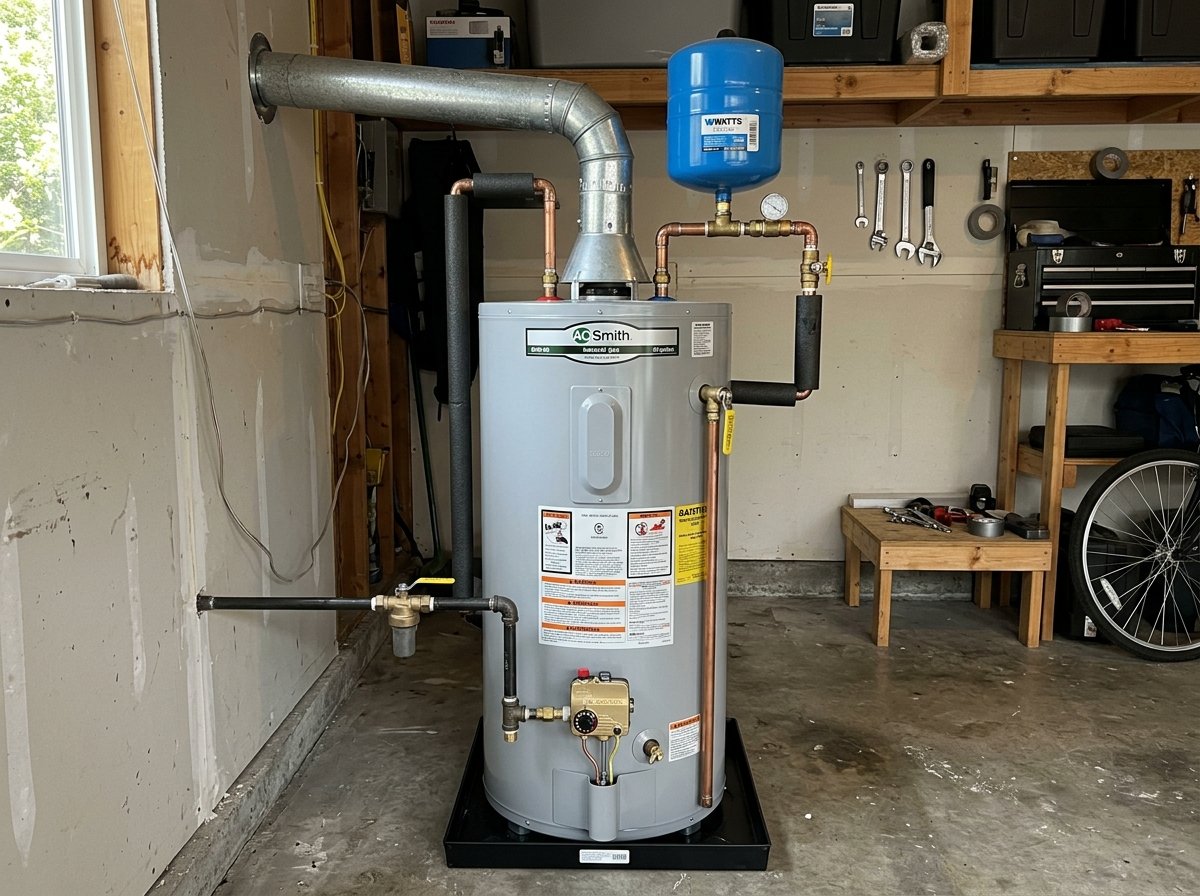
The 5 Most Common Reasons a Gas Pilot Light Goes Out
Modern atmospheric gas water heaters are equipped with strict safety mechanisms designed to immediately shut off the flow of natural gas if the pilot flame goes out, preventing explosive gas buildup. When the flame won't stay lit, one of these five culprits is almost always responsible:
| Component / Cause | How It Causes Flame Failure | Typical Symptoms | DIY vs. Pro Fix |
|---|---|---|---|
| Faulty or Dirty Thermocouple | Soot coating or bent tip prevents reading the flame's heat | Pilot goes out immediately when releasing the knob | DIY clean or replace |
| Clogged Pilot Tube Orifice | Lint, carbon soot, or spiders obstruct the tiny gas nozzle | Weak, flickering yellow flame rather than crisp blue cone | Intermediate / Pro |
| Drafts or Backdrafting | Wind gusts down the flue pipe or lack of combustion air blow it out | Pilot dies intermittently on windy days or when exhaust fans run | Pro Recommended |
| Tripped Thermal Switch (FVIR) | Combustion chamber air intake screen is choked with pet hair or lint | Burner starves for oxygen; thermal cutoff switch trips permanently | Pro Diagnostic |
| Failing Gas Control Valve | Internal electromagnet or solenoid fails to hold open the gas seal | Thermocouple tests good voltage, but gas still shuts down | Licensed Pro Only |
Understanding the Thermocouple: The #1 Culprit
The thermocouple is a small copper probe situated right next to the pilot burner. Its job is purely safety: when enveloped by the pilot flame, the tip heats up and generates a microscopic electric current (typically 25 to 35 millivolts DC). This tiny current powers a miniature electromagnet inside the main gas control valve, keeping the safety valve open.
If the thermocouple cools down—or if it is coated in black carbon soot—the millivoltage drops below 12 millivolts. The electromagnet releases, and a spring-loaded valve instantly slams shut, cutting off all gas supply to the pilot and main burner.
Simple Fix: Turn off the gas, let the unit cool completely, and gently wipe the copper thermocouple tip with fine emery cloth, steel wool, or fine sandpaper to remove carbon buildup. Ensure the tip sits securely directly inside the top third of the pilot flame.
If cleaning does not resolve the issue, contact a certified gas water heater repair specialist in Long Beach to test millivolt output with a digital multimeter and install an OEM-grade replacement.
Flammable Vapor Ignition Resistant (FVIR) Combustion Air Issues
In accordance with Southern California safety standards, modern water heaters feature sealed combustion chambers designed to prevent flammable vapors in garages from igniting. However, the flame arrestor screen at the very bottom of the heater can easily become clogged with household dust, laundry lint, and pet dander.
When airflow into the chamber is restricted:
- The flame becomes oxygen-starved, producing high amounts of soot and carbon monoxide.
- The combustion chamber temperature spikes, tripping the non-resettable thermal cutoff switch.
- The pilot light abruptly extinguishes and will refuse to relight until the flame arrestor is vacuumed clean and the safety switch is replaced.
Crucial Gas Safety Warnings: When to Call for Immediate Help
Working around natural gas requires utmost caution. While inspecting your pilot light assembly, keep these critical safety rules in mind:
- Never Force or Tape the Valve: Never tape, clamp, or wedge the gas control knob down to force the burner to fire without a working thermocouple. Doing so allows unburned natural gas to flood your home, creating an imminent explosion hazard.
- The Rotten Egg Smell: If you smell mercaptan (the sulfur/rotten egg odor added to natural gas), immediately evacuate the premises without flipping electrical switches, turn off your main gas shutoff valve outside, and call your gas utility or our 24/7 emergency repair dispatch.
- Units Over 12 Years Old: If a gas control valve has failed internally on a unit older than 10 to 12 years, replacing the valve often costs nearly as much as upgrading to a modern gas water heater replacement with an Ultra-Low NOx burner.
Frequently Asked Questions
When lighting a manual gas pilot, you must hold the knob down for 60 to 90 seconds after lighting to give the thermocouple enough time to heat up and generate the 25-30 millivolts needed to hold the internal valve open. If it goes out immediately upon release, the thermocouple is dirty, misaligned, or defective.
Yes. Severe coastal wind gusts or improper chimney/flue draft can cause downdrafts that blow out the pilot flame. Additionally, bathroom exhaust fans or powerful range hoods can depressurize an enclosed utility room, reversing chimney airflow.
A professional thermocouple replacement in Long Beach generally costs between $150 and $280, which includes part replacement, flame adjustment, and gas leak testing.