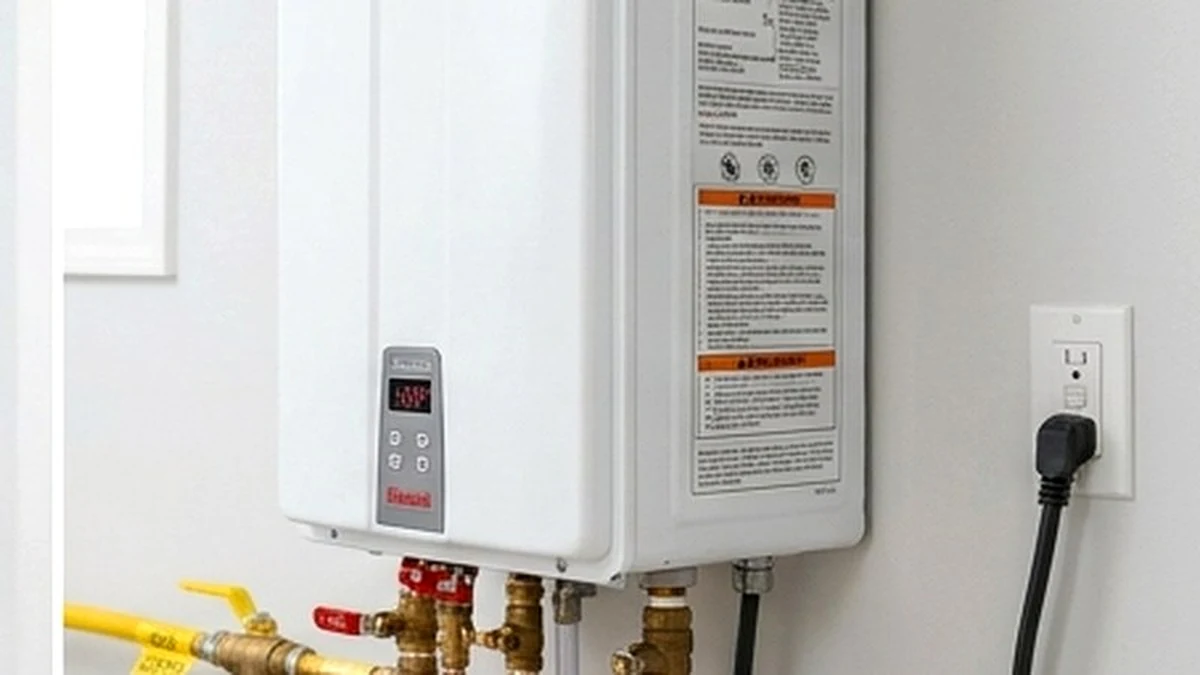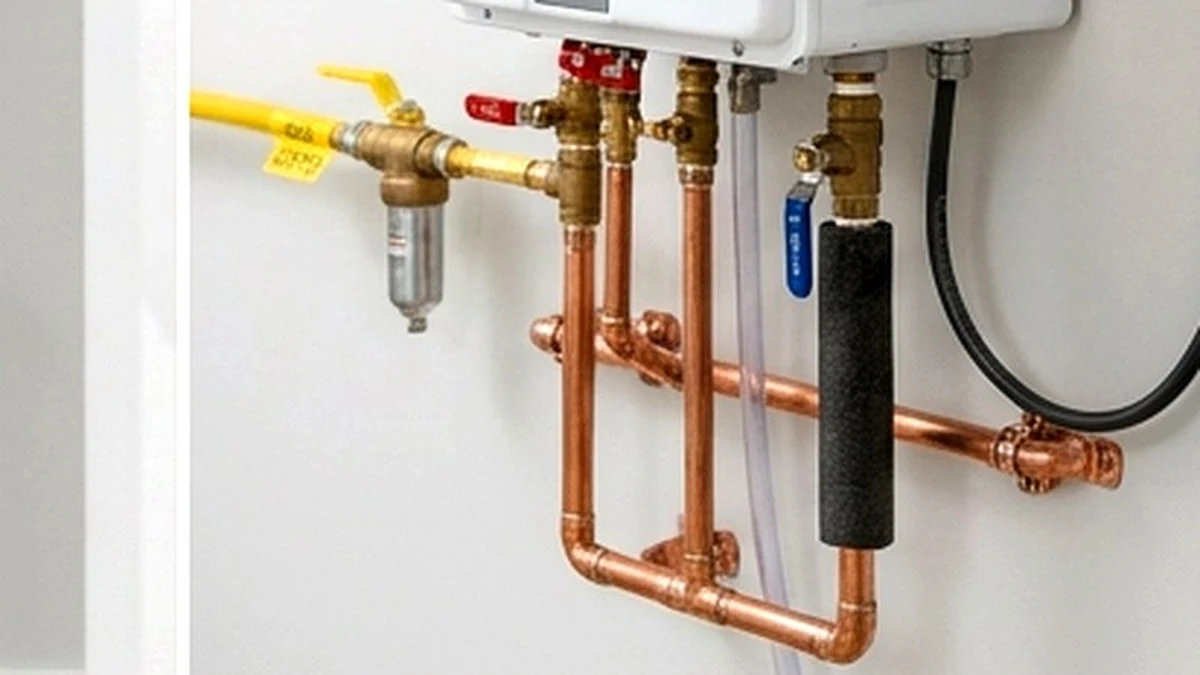
Gas water heater venting requirements under California building codes mandate adequate vertical rise, double-wall Type B metal vent piping for atmospheric units, airtight sealed PVC/CPVC/polypropylene for power-vent or direct-vent units, mandatory 1-inch clearance to combustible building materials, and proper draft hood positioning to ensure toxic combustion exhaust and carbon monoxide are reliably expelled outside.
- Principles of Gas Water Heater Exhaust Venting
- Type B Atmospheric Vents vs. Power & Direct Venting
- Clearance to Combustibles & Roof Flashing Codes
- Detecting Backdrafting & Combustion Spillage
- Venting Category & Material Specifications Table
- City of Long Beach Venting Code Inspections
- Installing Code-Compliant Venting with a Pro
Principles of Gas Water Heater Exhaust Venting
Natural gas combustion produces water vapor, carbon dioxide, and potentially lethal carbon monoxide (CO). The primary objective of a water heater exhaust system is to capture 100% of these hot exhaust gases at the appliance collar and safely transport them through the building envelope to the outside atmosphere.
Standard atmospheric gas water heaters rely on natural thermal buoyancy (the chimney effect). Hot flue gases are lighter than surrounding room air and naturally rise up through a central metal flue baffle, exiting into a draft hood that connects to a dedicated vertical chimney pipe.
In modern energy-tight homes in Long Beach, poor venting design can lead to deadly exhaust spillage into living areas, making strict compliance with the California Mechanical Code and National Fuel Gas Code (NFPA 54) non-negotiable during gas water heater installation in Long Beach.
Type B Atmospheric Vents vs. Power & Direct Venting
Depending on the appliance model and home layout, plumbing contractors utilize three distinct venting architectures:
- Standard Atmospheric Type B Vent: Double-wall galvanized steel exterior with an internal aluminum liner. Uses natural thermal draft and requires vertical termination through the roof. Double-wall construction insulates the inner pipe to maintain exhaust temperature and buoyancy while keeping the outer wall cool.
- Power-Vent Units: Equipped with an electric blower fan mounted atop the water heater. The fan mechanically forces exhaust gases horizontally through sidewall penetrations using PVC, CPVC, or polypropylene piping, ideal for homes without existing roof chimneys.
- Direct-Vent (Sealed Combustion): Features a dual-chamber coaxial pipe that draws 100% of combustion air from outdoors through the outer pipe while venting exhaust through the inner pipe. Required for installations inside living area closets or confined spaces.
Clearance to Combustibles & Roof Flashing Codes
California building codes mandate strict clearances to combustible materials (wood framing, drywall, and insulation):
Type B double-wall vents must maintain a minimum 1-inch clearance from all combustible materials at all times. Single-wall transition connectors must maintain at least 6 inches of clearance. Where the metal pipe penetrates ceiling drywall and roof decking, a firestop spacer and weather-tight flashing with a storm collar are legally required.
Detecting Backdrafting & Combustion Spillage
When powerful kitchen range hoods, bathroom exhaust fans, or clothes dryers run simultaneously, they depressurize the home. This negative indoor pressure can overcome natural chimney draft, pulling toxic flue gases backward down the water heater vent (backdrafting).
⚠️ How to Check for Backdrafting
With the water heater firing, hold a smoke pencil or lit incense stick two inches away from the perimeter of the draft hood. If the smoke is pulled smoothly into the flue, the vent draft is healthy. If the smoke blows into the room, backdrafting is actively occurring, creating an immediate carbon monoxide hazard.
Venting Category & Material Specifications Table
Reference this guide for venting standards:
| Venting Category | Approved Materials | Termination Point | Clearance to Combustibles |
|---|---|---|---|
| Atmospheric (Standard) | Type B Double-Wall Metal | Vertical through roof (min 2' above roof peak) | 1" for Type B; 6" for single-wall |
| Power-Vent | Solid-core PVC, CPVC, Polypropylene | Horizontal sidewall or vertical roof | 0" to 1" (per manufacturer listing) |
| Direct-Vent Sealed | Concentric Metal or Coaxial Plastic | Horizontal sidewall exterior | Maintains safe exterior clearances from windows |
City of Long Beach Venting Code Inspections
City of Long Beach plumbing inspectors rigorously examine exhaust vent sizing, slope (minimum 1/4-inch upward rise per foot of horizontal run), roof clearance, and firestop penetration during final permit sign-off. Defective venting is the #1 reason for failed building inspections.
Installing Code-Compliant Venting with a Pro
Venting mistakes can result in fatal carbon monoxide poisoning or attic structure fires. When installing a gas water heater, our certified local partners calculate total equivalent vent length, ensure proper chimney draft, and guarantee 100% code compliance.
Frequently Asked Questions
Can I vent a gas water heater horizontally through an exterior wall?
Only if you install a specialized power-vent or direct-vent water heater equipped with an exhaust blower fan. Standard atmospheric gas water heaters require natural upward thermal draft and must vent vertically through the roof.
Why can't I use single-wall vent pipe all the way through the roof?
Single-wall galvanized pipe becomes extremely hot and requires 6 inches of clearance from wood. It also cools exhaust gases quickly, causing condensation and draft failure. Building codes mandate double-wall Type B pipe through all attics and ceilings.
Can a gas water heater share a vent with a furnace?
Yes, common venting is permitted by California mechanical codes, provided the chimney diameter is properly sized for the combined BTU input of both appliances and the water heater connects above the furnace vent connection.
Need Help With Your Water Heater?
Whether you are dealing with hot water loss, diagnosing a strange noise, or planning an energy-efficient upgrade, our certified local plumbing partners across Long Beach, CA are on standby for prompt telephone dispatch.