A leaking or discharging Temperature and Pressure (T&P) relief valve is an urgent safety warning. If the valve is dripping slowly, it indicates moderate thermal expansion from a failed expansion tank or minor sediment on the valve seat. If the valve is violently blasting continuous scalding water or high-pressure steam, your water heater is overheating into an explosive runaway condition; shut off the gas/power and cold water supply immediately.
The Life-Safety Role of the T&P Relief Valve
The Temperature and Pressure Relief Valve—universally known as the T&P valve—is the single most critical safety mechanism on any water heater. Mounted to the top or upper side of the tank, this mechanical brass valve is engineered with a brass probe that sits submerged in the hottest water layer.
The T&P valve is designed to open automatically under two conditions:
- Excessive Temperature: If water temperature reaches 210°F (99°C)—just below boiling—the internal thermal element expands and forces the valve open.
- Excessive Pressure: If internal tank pressure reaches 150 pounds per square inch (PSI), a heavy-duty internal spring compresses, opening the valve to vent water and relieve pressure.
Without a properly functioning T&P relief valve, an overheating water heater acts as an unvented pressure vessel that can violently rupture, propelling an exploded tank through multiple floors of a home.
Dripping vs. Violent Steam Discharge: Danger Levels
Understanding the discharge behavior reveals the urgency of the problem:
Occasional Dripping: A slow drip from the discharge pipe (a few tablespoons to a cup per day) usually indicates normal thermal expansion in a closed plumbing system or a small grain of mineral sediment stuck in the valve seat preventing a tight seal.
Violent Steam or Scalding Blast: If water is roaring out of the discharge pipe accompanied by hissing steam and rattling pipes, the water heater is in an emergency runaway heating condition. The thermostat has failed to shut off, and internal water is approaching boiling under pressure.
Thermal Expansion & Long Beach Water Meters
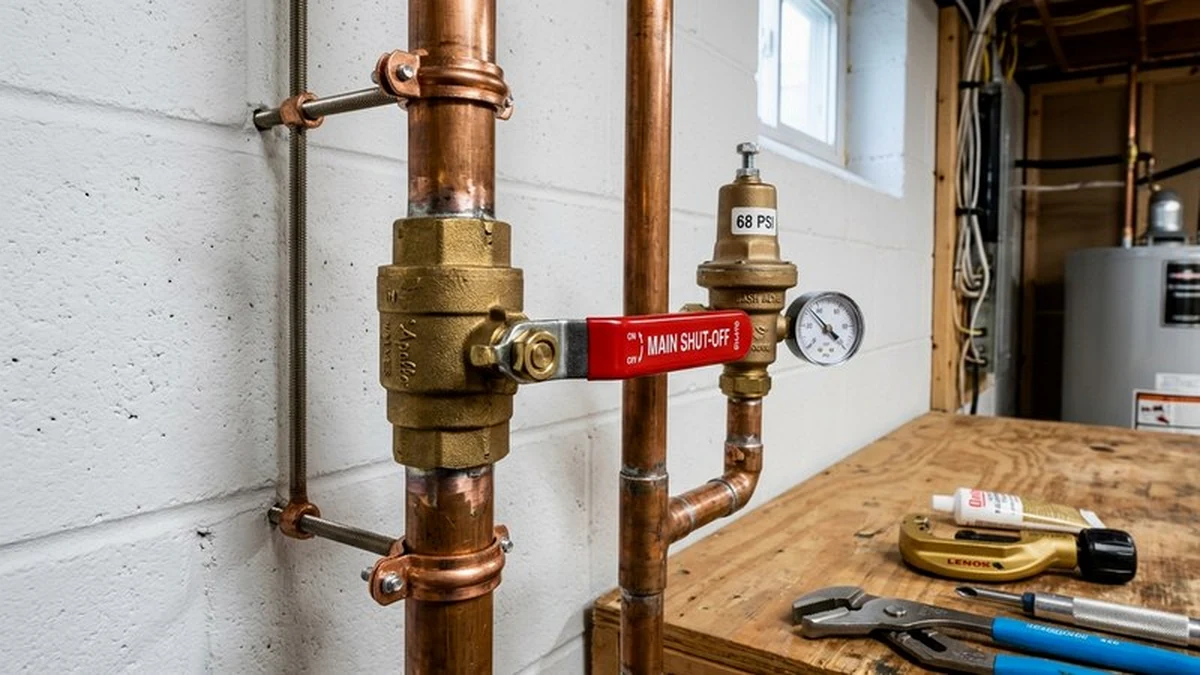
When municipal water providers install backflow preventers or check valves at the water meter—as required throughout modern Long Beach plumbing codes—your home becomes a closed plumbing system.
Water expands in volume when heated. Because water cannot compress, this thermal expansion causes internal plumbing pressure to spike from normal 55 PSI up to 150+ PSI during heating cycles. In homes without a properly pressurized thermal expansion tank, the T&P valve opens repeatedly to vent the pressure spike, causing chronic puddling.
Runaway Heating & Thermostat Welding Risks
When an electric thermostat contacts weld shut or a gas control valve becomes mechanically stuck open, the heat source operates 100% of the time. Water continues absorbing heat until it exceeds 200°F. The T&P valve is your home's last line of defense against catastrophic tank explosion.
T&P Valve Diagnostic Matrix
Reference this diagnostic table to determine the cause of relief valve leakage:
| Discharge Behavior | Root Mechanism | Required Correction |
|---|---|---|
| Intermittent drip only while heating | Thermal expansion pressure spikes | Install/re-charge potable expansion tank |
| Continuous slow leak 24 hours/day | Mineral scale on valve seal or failed spring | Replace T&P relief valve assembly |
| High-pressure continuous scalding blast | Runaway thermostat failure (>210°F) | Shut power/gas immediately; replace controls |
Immediate Homeowner Shutoff Steps
If your T&P relief valve is actively blowing scalding water:
- Do NOT Cap or Plug the Pipe: Never cap the relief discharge pipe with a threaded plug or clamp. Capping an over-pressurized tank creates a catastrophic explosion hazard.
- Shut Off the Power or Gas: Turn off the gas valve or switch off the 240V breaker.
- Turn Off the Cold Water Supply: Close the cold water inlet valve to stop feeding fresh water into the tank.
- Open a Hot Tap: Open a hot faucet inside your home to release trapped hydraulic pressure safely into a sink drain.
Valve Replacement & Thermal Expansion Tanks
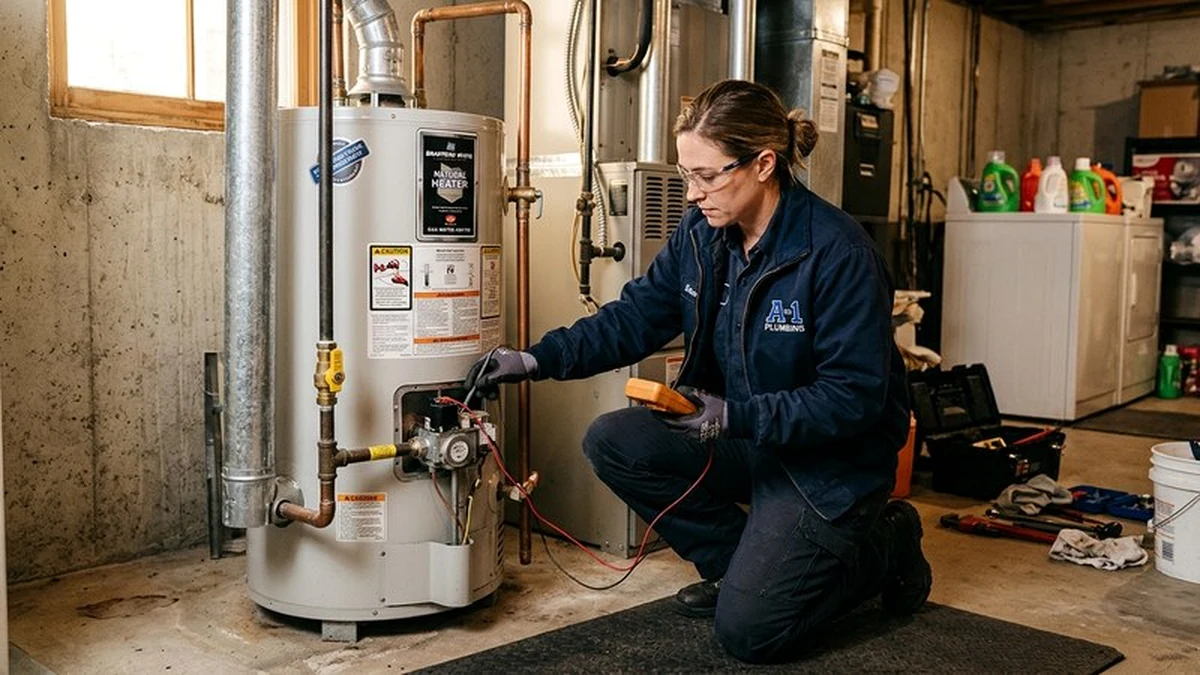
Replacing a defective T&P valve and installing a code-compliant thermal expansion tank is a routine, same-day repair for licensed plumbing professionals. Contact our Long Beach team for immediate evaluation and safety restoration.
Frequently Asked Questions
Can I put a bucket under a leaking T&P valve?
A bucket can temporarily catch minor drips, but it will not resolve the underlying pressure or temperature issue. If the valve opens fully, it will instantly overflow the bucket with scalding water.
Why is my T&P discharge pipe routed to the outside?
Plumbing code requires the T&P discharge pipe to terminate within 6 to 24 inches of the ground outside or into an approved drain pan to prevent scalding building occupants if the valve discharges.
How often should I test my water heater relief valve?
Manufacturers recommend lifting the test lever once per year to ensure water flows freely and reseals tightly. However, on older valves, testing may dislodge brittle sediment that prevents the valve from resealing, necessitating valve replacement.
Need Help With Your Water Heater?
Whether you are dealing with hot water loss, diagnosing a strange noise, or planning an energy-efficient upgrade, our certified local plumbing partners across Long Beach, CA are on standby for prompt telephone dispatch.