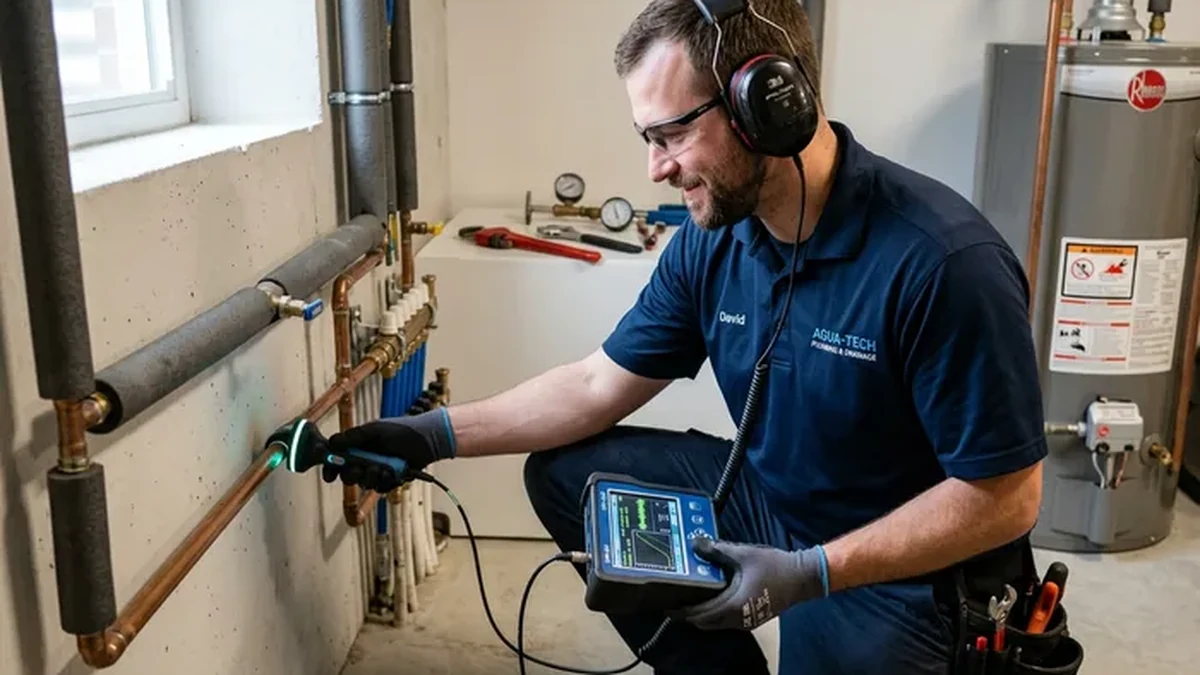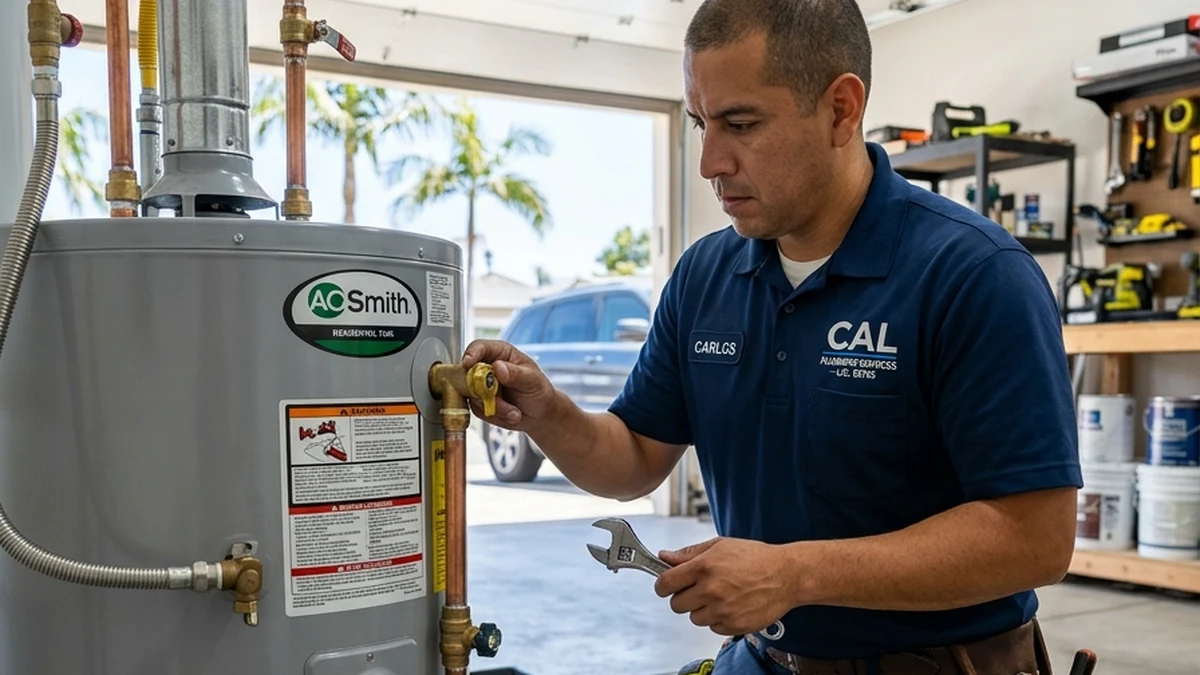
Before choosing a replacement gas water heater, check four critical infrastructure specifications: the diameter of your existing gas supply pipe (1/2" vs. 3/4"), the condition and clearance of your Type B exhaust vent flue, the physical doorway and closet dimensions (modern insulated tanks are 2 inches wider), and your home's peak-hour hot water demand.
Gas Pipe Diameter & Supply Capacity (1/2" vs. 3/4")
When planning to replace an old gas water heater, never assume your existing gas supply pipe will automatically support any new unit. Standard atmospheric 40-to-50-gallon tanks operating at 40,000 BTUs can function on a 1/2-inch black iron gas supply pipe provided the run from the gas meter is short.
However, if you are upgrading to a high-recovery commercial-grade tank or an on-demand tankless gas water heater drawing 150,000 to 199,000 BTUs, a dedicated 3/4-inch or 1-inch gas line is legally required. An undersized gas line starves the burner of fuel, causing incomplete combustion, sooting, and flame outages.
Exhaust Chimney Flue Sizing & Clearance
Inspect the condition of your existing chimney flue pipe before purchasing a new unit. Older homes may feature corroded single-wall vent pipes, crumbling transite (asbestos-cement) flue pipes, or disconnected joint elbows inside the attic.
Your new water heater's draft hood collar must match the vent diameter (typically 3-inch or 4-inch). Vent pipes cannot be downsized from the appliance outlet, and any deteriorated pipe sections must be replaced with double-wall Type B metal venting to ensure positive exhaust draft.
NAECA Dimensional Changes & Space Fit
Under the National Appliance Energy Conservation Act (NAECA), modern water heaters feature thicker polyurethane foam insulation around the steel tank to reduce standby heat loss. As a result, a modern 50-gallon water heater is typically 2 inches wider in diameter and 2 to 3 inches taller than a unit installed in 2010.
Measure your closet doorway width, interior clearance, and ceiling height carefully. In tight alcoves, a modern 50-gallon tank may not fit, requiring either a 40-gallon high-recovery unit or a space-saving tankless system.
Technical Pre-Replacement Checklist
Verify these physical and plumbing specifications prior to installation day:
| Specification | Measurement / Requirement | Significance |
|---|---|---|
| Gas Supply Line Size | 1/2" or 3/4" Black Iron | Determines maximum allowable BTU burner input |
| Exhaust Vent Diameter | 3" or 4" Type B Double-Wall | Must match appliance draft hood collar |
| Doorway & Closet Clearance | Width + 4" working buffer | Accommodates modern thicker insulated tanks |
| Cold Water Shutoff Valve | Quarter-turn brass ball valve | Replaces outdated gate valves that stick |
Combustion Air Louvers & Room Volume
Verify that your installation space provides sufficient fresh oxygen for combustion. Confined interior closets must have upper and lower louvers communicating with an unconfined space to prevent oxygen depletion and carbon monoxide production.
Long Beach Water Quality & Anode Selection
Due to Long Beach's moderate water hardness, consider selecting a replacement water heater with a factory-installed magnesium anode rod or an upgrade to an aluminum/zinc rod to resist sulfate-reducing bacteria and prolong tank life.
Consulting with Certified Local Installers
Consulting with an experienced local plumbing professional ensures that gas pipe capacity, venting draft, and space measurements are verified accurately before equipment is delivered. Contact our Long Beach team for expert replacement planning.
Frequently Asked Questions
Can I replace a 40-gallon gas heater with a tankless water heater?
Yes. Upgrading to a tankless gas water heater frees up closet space and provides endless hot water. However, you must verify that your gas supply line and electrical outlet can support the higher peak BTU demand of a tankless unit.
Why is my new water heater wider than the old one?
Federal energy standards require thicker insulation around the water tank to reduce standby energy loss, making modern water heaters approximately 2 inches wider than older models of the same gallon capacity.
Do I need to replace the gas flex line when installing a new water heater?
Yes. Plumbing safety codes mandate installing a brand-new CSA-certified stainless steel flexible gas connector with every new water heater. Reusing old, corrugated gas connectors risks hazardous gas leaks.
Need Help With Your Water Heater?
Whether you are dealing with hot water loss, diagnosing a strange noise, or planning an energy-efficient upgrade, our certified local plumbing partners across Long Beach, CA are on standby for prompt telephone dispatch.