Signs of a bad electric water heater heating element include water that is only lukewarm, hot water running out after just 3 to 5 minutes, exceptionally long recovery times between showers, or the circuit breaker tripping immediately when the water heater turns on. Testing terminal resistance with a digital multimeter confirms an element burnout (infinite resistance/open loop).
- How Immersion Heating Elements Function
- Upper vs. Lower Element Burnout Symptoms
- How Long Beach Hard Water Destroys Elements
- Step-by-Step Multimeter Resistance Testing
- Heating Element Technical Specs Table
- Standard vs. Low-Watt Density Replacement Elements
- Professional Element Replacement in Long Beach
How Immersion Heating Elements Function
Electric storage water heaters rely on two screw-in or bolt-on immersion heating elements that project directly into the water. Each element consists of a nichrome resistance wire centered inside a copper or incoloy metal sheath, insulated by compacted magnesium oxide powder.
When 240-volt electrical current flows through the nichrome wire, intense electrical resistance generates heat, transferring thermal energy through the sheath into the surrounding water. Over years of thermal expansion and exposure to mineral scale, the internal wire fractures or the outer sheath splits, resulting in element failure.
Upper vs. Lower Element Burnout Symptoms
Because the upper and lower elements operate sequentially rather than simultaneously, diagnosing which element has failed is straightforward based on your shower experience:
- Lower Element Burnout (Most Common): Because sediment settles at the bottom of the tank, the lower element burns out three times more frequently than the upper element. When the lower element fails, only the top third of the tank heats. You get hot water for 3 to 5 minutes, which rapidly degrades into lukewarm water.
- Upper Element Burnout: The upper element heats the top water first. If it burns out, the upper thermostat never satisfies, meaning power is never transferred down to the lower element. You receive 100% cold water throughout the entire home.
How Long Beach Hard Water Destroys Elements
Long Beach's moderate-to-hard municipal water (12–16 GPG) accelerates heating element failure. As dissolved calcium precipitates out of hot water, it encrusts the lower element in a thick, stony layer of scale. This scale acts as an insulator, trapping heat inside the element sheath. Unable to dissipate heat into the water, the internal nichrome wire overheats, melts, and burns out prematurely.
Step-by-Step Multimeter Resistance Testing
Professional technicians follow these diagnostic steps to verify element health:
- De-Energize & Lock Out Power: Turn off the 240V breaker and verify zero voltage at the upper terminal screws.
- Disconnect Terminal Wires: Disconnect at least one wire lead from the element screws to isolate the element from the thermostat circuit.
- Measure Resistance (Ohms): Place multimeter probes across the two terminal screws. A healthy 4,500W element reads between 12 and 13 ohms. An open circuit reading ('OL' or infinite ohms) confirms a broken internal wire.
- Test for Ground Faults: Place one probe on a terminal screw and the other on the metal tank shell. Any continuity reading indicates the element sheath has split and is shorting into the water, causing breaker trips.
Heating Element Technical Specs Table
Reference this guide for element ratings and resistance values:
| Rated Wattage (at 240V) | Amperage Draw | Expected Resistance (Ohms) | Status if 'OL' |
|---|---|---|---|
| 3,800 Watts | 15.8 Amps | 15.1 Ohms | Burned Out (Replace) |
| 4,500 Watts (Standard) | 18.75 Amps | 12.8 Ohms | Burned Out (Replace) |
| 5,500 Watts (High-Recovery) | 22.9 Amps | 10.5 Ohms | Burned Out (Replace) |
Standard vs. Low-Watt Density Replacement Elements
When replacing heating elements in Long Beach, our contractors recommend upgrading to Low-Watt-Density (LWD) or Ultra-Low-Watt-Density (ULWD) elements made of nickel-chromium incoloy alloy. These elements feature a longer folded surface area, distributing heat over more metal surface to operate at lower sheath temperatures, resisting mineral scale buildup and extending element lifespan significantly.
Professional Element Replacement in Long Beach
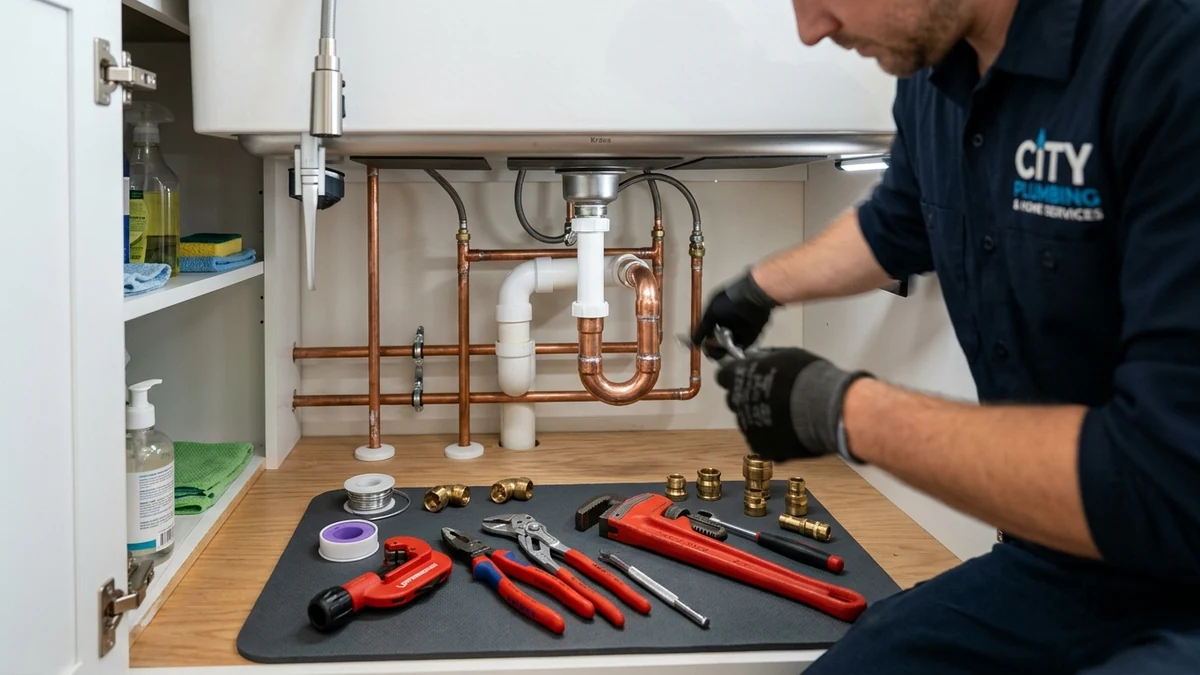
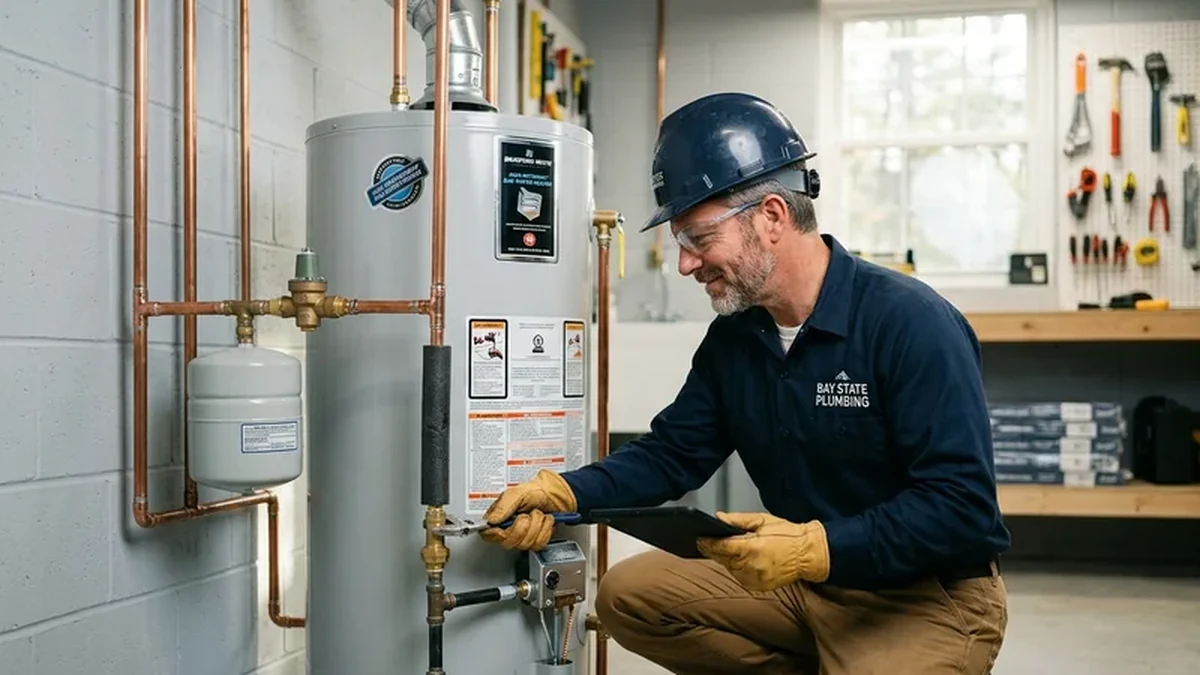
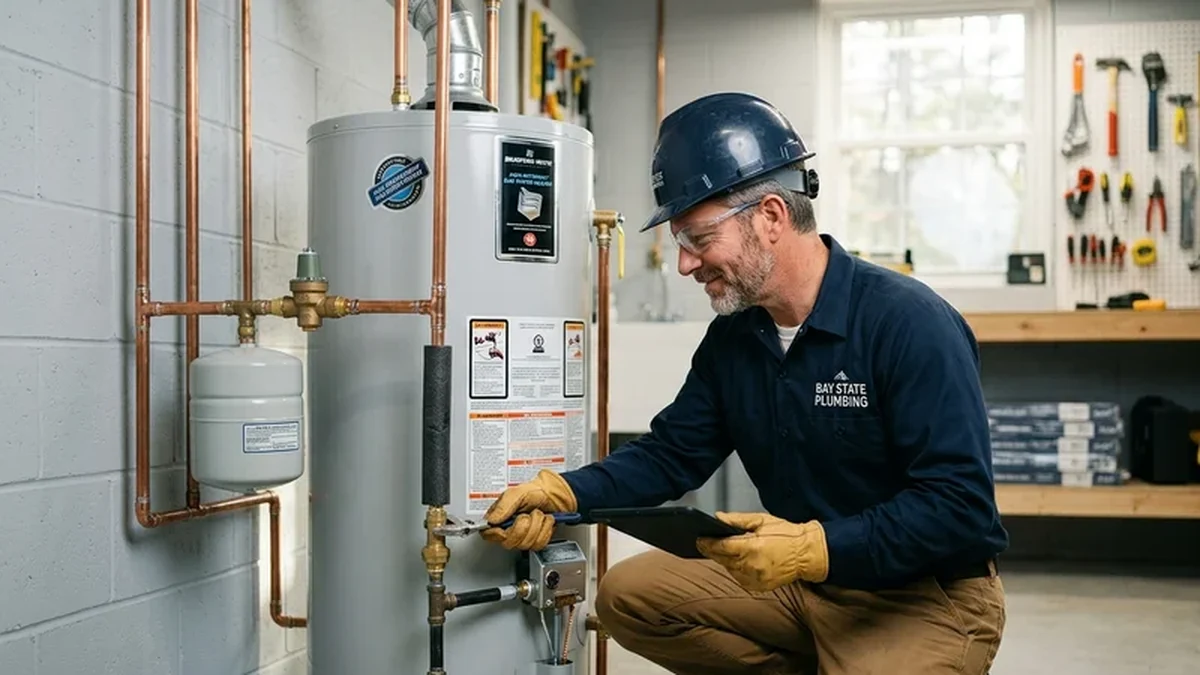
Replacing an immersion heating element requires draining the water heater tank, using a specialized 1-1/2-inch deep socket element wrench, and sealing the new element with a fresh rubber O-ring gasket. Contact our Long Beach team for prompt element replacement service.
Frequently Asked Questions
How long do electric water heater elements last?
Standard heating elements typically last 6 to 10 years. However, in hard water areas like Long Beach, lower elements can fail in 4 to 6 years if the tank is not flushed annually to remove insulating sediment.
Should I replace both heating elements at the same time?
Yes. If one element has burned out, the other has endured the identical electrical hours and water conditions. Replacing both elements and inspecting both thermostats during the same service visit ensures long-term reliability.
Can I replace a 4,500W element with a 5,500W element to get faster hot water?
Only if your electrical circuit can support it. A 5,500W element draws 22.9 amps, requiring a 30A breaker and 10 AWG wire. If your home has a 20A breaker or 12 AWG wiring, upgrading to 5,500W will overload the circuit and create a fire hazard.
Need Help With Your Water Heater?
Whether you are dealing with hot water loss, diagnosing a strange noise, or planning an energy-efficient upgrade, our certified local plumbing partners across Long Beach, CA are on standby for prompt telephone dispatch.