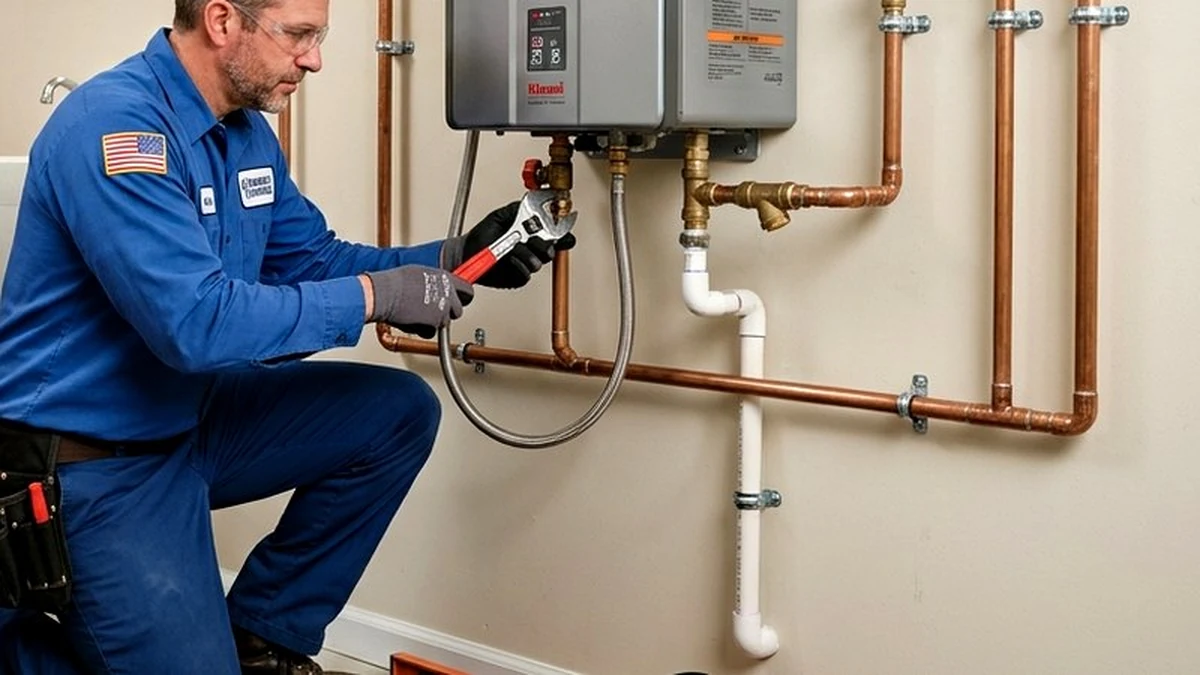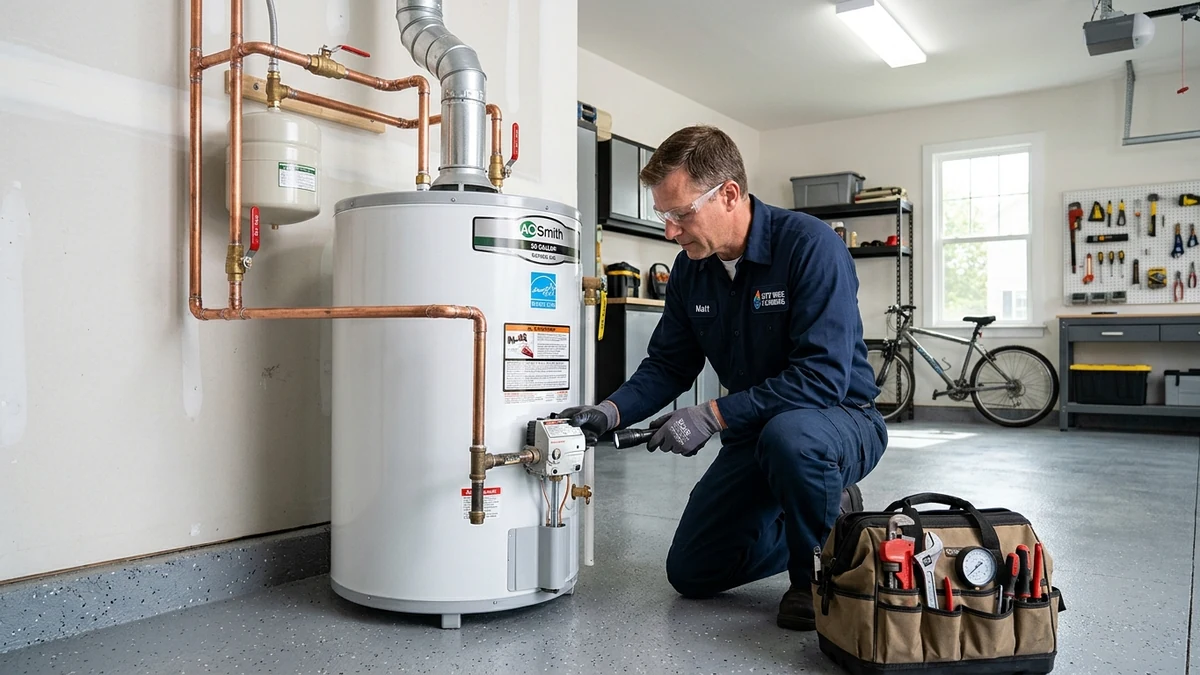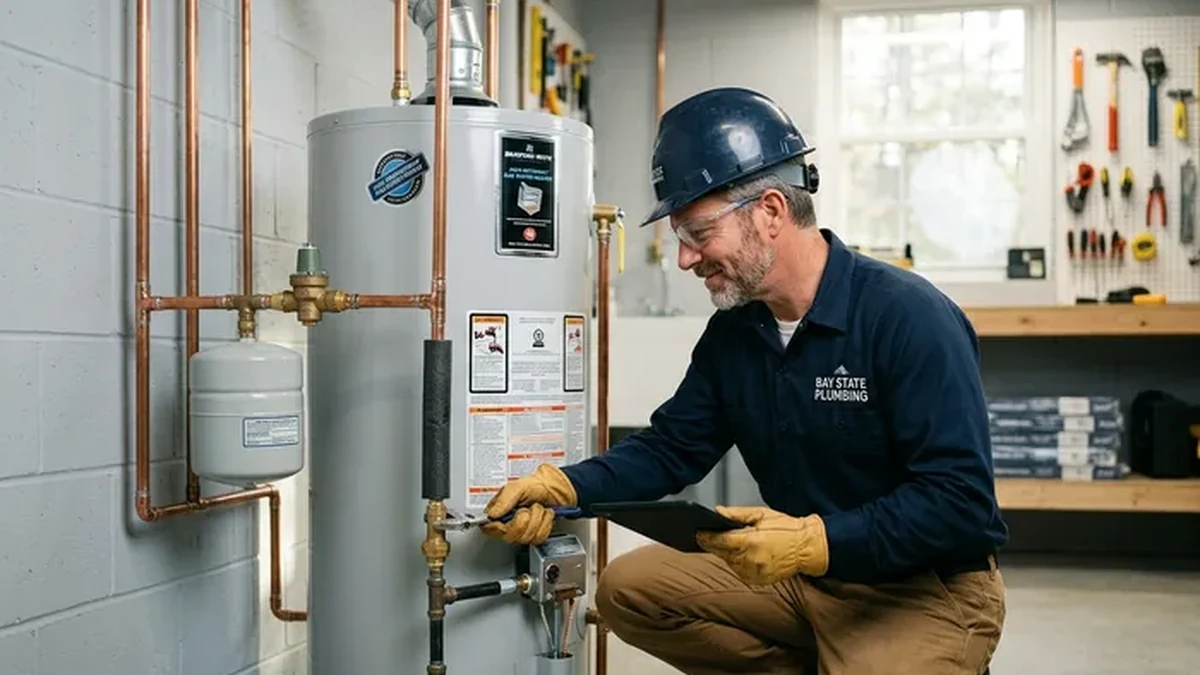
Professional tankless water heater maintenance includes a multi-point mechanical, electrical, and chemical service procedure: a 60-to-90-minute chemical descaling flush of the heat exchanger using food-grade virgin solution, cleaning and rinsing the cold water inlet mesh filter, cleaning oxide buildup from flame rectification sensors and spark igniters, inspecting intake and exhaust venting for obstructions, flushing the acidic condensate trap and neutralizer, testing gas manifold operating pressures, checking water flow control servos, and verifying digital operating parameters.
- Multi-Point Professional Service Checklist Overview
- Step 1: Chemical Descaling Flush (The Core Procedure)
- Step 2: Cold Water Inlet Filter & Aerator Cleaning
- Step 3: Flame Rod & Spark Igniter Inspection
- Step 4: Condensate Trap Flush & Neutralizer Recharging
- Step 5: Exhaust Flue Inspection & Gas Pressure Verification
- Frequently Asked Questions
Multi-Point Professional Service Checklist Overview
Homeowners often wonder what licensed plumbing specialists actually do during an annual tankless tune-up. A comprehensive maintenance appointment goes far beyond simply flushing vinegar through a pipe.
Because tankless water heaters combine pressurized water, combustible natural gas, high-voltage electrical ignition, and acidic exhaust condensation, professional service involves a systematic multi-point diagnostic and cleaning regimen designed to restore factory performance and verify safety compliance.
Step 1: Chemical Descaling Flush (The Core Procedure)
The centerpiece of the service appointment is the chemical descaling flush of the primary and secondary heat exchangers:
- The technician isolates the unit by closing the red hot and blue cold isolation service valves, separating the heater from household plumbing lines.
- High-pressure washing machine hoses are connected from a submersible utility pump inside a 5-gallon service bucket to the service port drain valves.
- A concentrated, non-toxic food-grade citric or phosphoric acid descaling solution (or pure virgin food-grade white vinegar) is pumped through the cold inlet, through the heat exchanger coils, and discharged out the hot drain port back into the bucket.
- The solution circulates for 60 to 90 minutes, dissolving calcium carbonate crust, lime, and rust into water-soluble calcium citrate.
- The technician flushes the system with fresh domestic water for 5 to 10 minutes to purge all residual acid before reconnecting the unit to household supply lines.
Step 2: Cold Water Inlet Filter & Aerator Cleaning
While the descaling flush circulates, the technician unscrews the cylindrical cold water inlet filter located at the base of the heater. This fine stainless steel or nylon mesh screen catches sand, sediment, and pipe flakes from municipal water mains.
The filter is soaked in acid, scrubbed with a nylon bristle brush to remove mineral deposits, rinsed thoroughly, and reinstalled with fresh silicone O-rings to prevent weeping leaks.
Step 3: Flame Rod & Spark Igniter Inspection
The technician removes the front service panel to inspect the sealed combustion chamber:
- Flame Rectification Rod: Cleaned with fine emery cloth to remove white silica and black carbon oxide deposits, restoring strong micro-amp signal transmission to the main computer.
- Spark Igniter Electrode: Inspected for erosion and calibrated to the precise factory spark gap (typically 3.5mm to 4.5mm).
- Combustion Air Blower: Checked for lint, dust, or pet hair obstruction on the intake impeller fan.
Step 4: Condensate Trap Flush & Neutralizer Recharging
In high-efficiency condensing units (such as Navien NPE or Rinnai SENSEI models), combustion exhaust produces highly acidic liquid condensate (pH 3.0 to 4.0, similar to vinegar or beer). The technician:
- Disassembles and flushes the internal condensate cup/trap to clear sediment and mineral scale that could trigger a Code 29 safety lockout.
- Tests the effluent pH leaving the external condensate neutralizer. If the limestone/calcium carbonate media has dissolved, fresh neutralizer pellets are added to protect household drains and city sewer infrastructure from acid corrosion.
Step 5: Exhaust Flue Inspection & Gas Pressure Verification
Finally, the technician performs critical safety and operational verification:
- Venting Inspection: Inspects all interior and exterior PVC, polypropylene, or Category III stainless steel vent joints for mechanical tightness, proper slope back toward the heater, and clear exterior termination hoods.
- Dynamic Gas Pressure Test: Connects a digital dual-port manometer to the internal gas manifold port. Verifies static and dynamic gas supply pressure under full 199,000 BTU firing load (ensuring pressure remains between 5.0 and 10.5 inches W.C.).
- Digital Performance Test: Fires multiple hot fixtures to test flow sensor accuracy, temperature rise stability, and proper modulation of internal water control valves.
Frequently Asked Questions
How often should professional tankless maintenance be performed?
Once every 12 months for homes on municipal water in Long Beach. If your home has a whole-house water softening system, service intervals can sometimes be extended to 18 to 24 months.
Will professional maintenance lower my gas bill?
Yes! Removing just 1/16th of an inch of insulating calcium scale from your heat exchanger improves thermal heat transfer efficiency by 15% to 20%, noticeably lowering monthly gas consumption.
Do I receive documentation for my manufacturer warranty?
Yes. A licensed technician provides an itemized service receipt detailing the descaling flush, component inspections, and date of service, satisfying manufacturer warranty compliance requirements.
Need Help With Your Water Heater?
Whether you are dealing with hot water loss, diagnosing a strange noise, or planning an energy-efficient upgrade, our certified local plumbing partners across Long Beach, CA are on standby for prompt telephone dispatch.