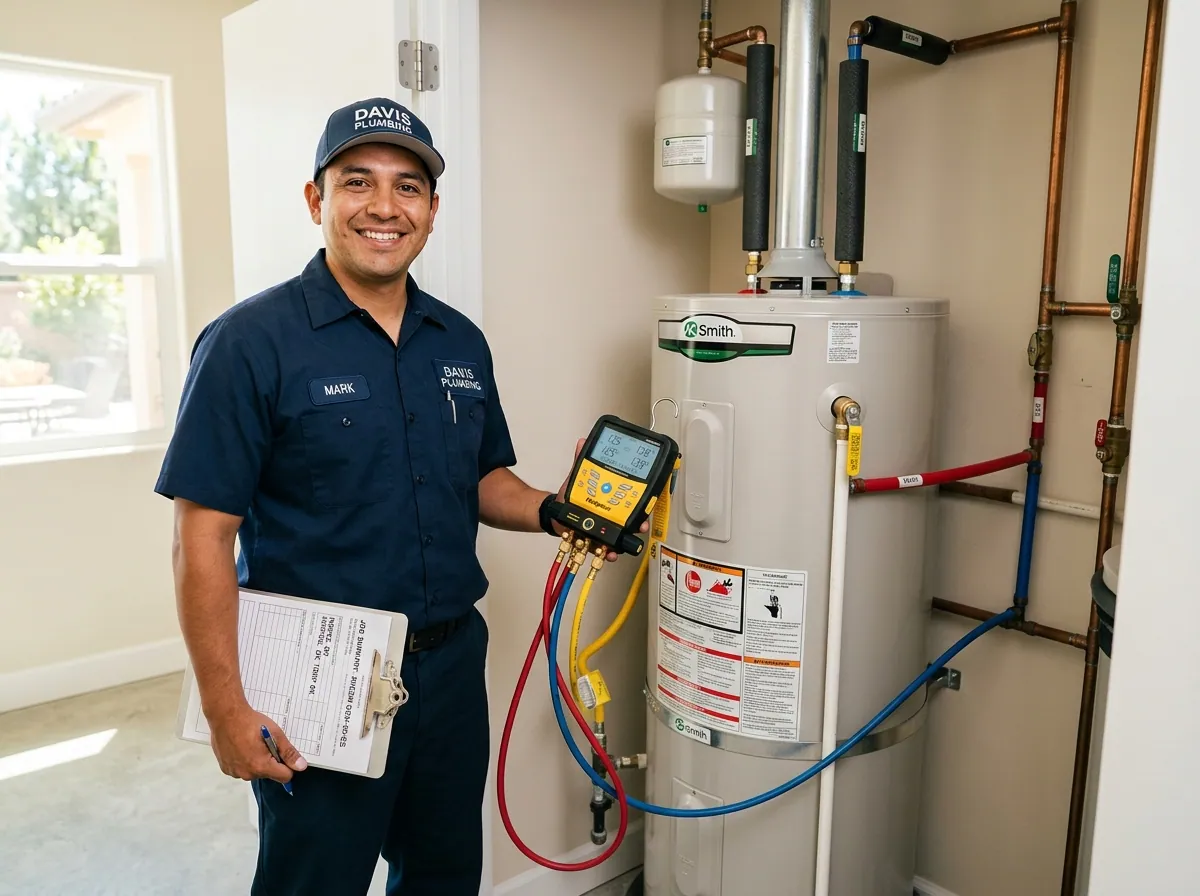
10 Signs Your Water Heater Needs Repair in Long Beach, CA
A reliable water heater makes everyday life easier. Discover the top warning signs that your unit needs professional attention before a breakdown occurs.
Read Guide →Experiencing no hot water, a leaking water heater tank, or strange rumbling noises? Get dependable water heater repair in Long Beach, CA. Connect with experienced local specialists for fast diagnostics, safety evaluations, and precision repairs on gas, electric, and tankless water heaters across the Long Beach coastal area.
Local Specialist Referral: Long Beach Water Heater connects homeowners directly with established, independent plumbing and water heater repair contractors throughout Long Beach and neighboring coastal communities.
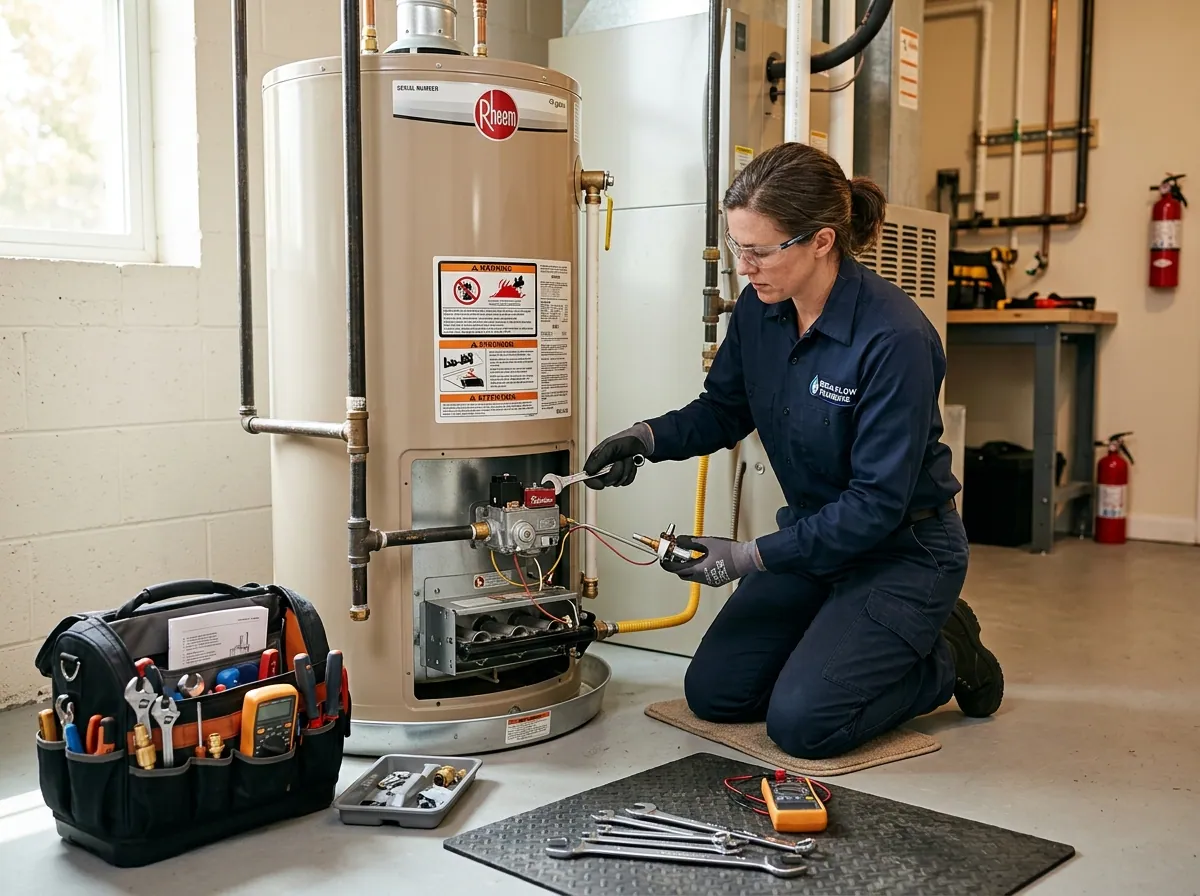
Thorough inspection to uncover the underlying cause of heating loss, pressure relief valve leaks, gas burner issues, or erratic electrical operation.
Assistance with unlit pilots, thermocouple wear, gas control valve calibration, burner flame problems, and SCAQMD Rule 1121 compliance checks.
Direct troubleshooting for tripped 240V breakers, burnt-out upper or lower immersion heating elements, faulty thermostats, and high-limit ECO switches.
Component repair, digital error code clearing, and acid descaling for both traditional storage tanks and modern on-demand tankless units.
Water heater issues can develop suddenly or worsen gradually as components age and mineral sediment builds up. In Long Beach, municipal water hardness (averaging 120–180 ppm) and coastal salt air accelerate wear on heating elements, pilot burners, and tank fittings. Below are the 9 most frequent water heater problems diagnosed and repaired by local technicians.
Symptoms: Faucets and showers produce exclusively cold water despite normal plumbing operation.
Common Causes: On gas systems, an extinguished pilot light, defective thermocouple, or failed gas control valve stops burner ignition. On electric units, a tripped 240V breaker, tripped upper thermostat high-limit reset switch, or burned-out heating element is typically responsible.
Professional Solution: Diagnostic multimeter testing of electrical continuity or gas manifold pressure testing to replace the exact failed component.
Symptoms: Hot water runs out after just a few minutes of showering, or water never reaches a comfortable temperature.
Common Causes: A fractured internal dip tube allows incoming cold water to mix directly with hot water leaving the top of the tank. In electric water heaters, a failed lower heating element forces the top element to carry the entire heating load.
Professional Solution: Dip tube inspection and replacement, testing and replacing lower immersion elements, or tank sediment flushing.
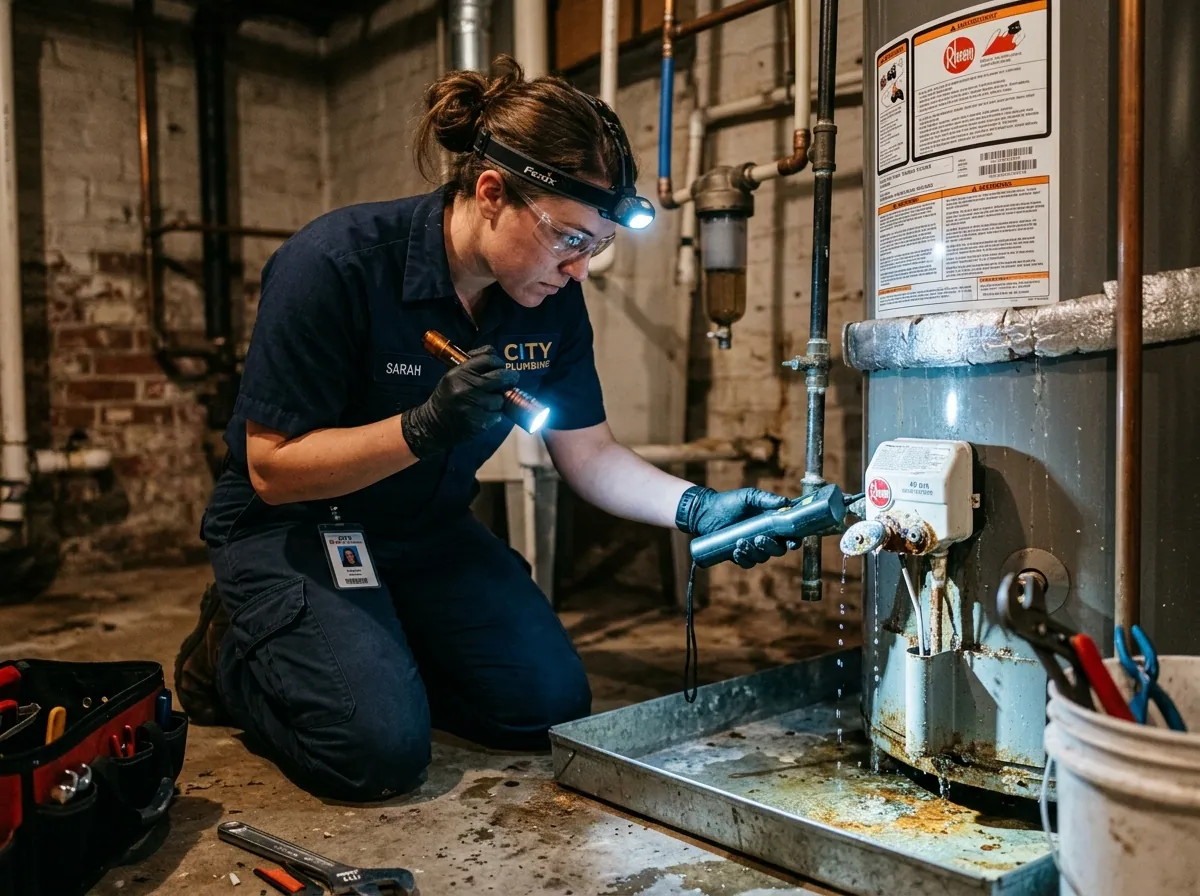
Symptoms: Water pooling in the drain pan, dripping from the bottom, or weeping around top plumbing fittings.
Common Causes: A failing Temperature & Pressure (T&P) relief valve, loose brass drain valve, deteriorated dielectric nipples, or an internal tank cylinder rupture from galvanic corrosion.
Professional Solution: Valve replacement and fitting resealing if the leak is external; safe replacement referral if the internal glass-lined cylinder is cracked.
Symptoms: Loud popping, rumbling, crackling, or knocking sounds echoing from the water heater during active heating cycles.
Common Causes: Heavy mineral sediment and calcium carbonate accumulation at the bottom of the tank. Water becomes trapped beneath the hardened sediment layer; as it boils, expanding steam bubbles burst violently through the crust.
Professional Solution: Professional chemical descaling, commercial flushing, or sediment breakdown to restore silent heat transfer.
Symptoms: Brownish, reddish, or cloudy hot water flowing from faucets while cold water remains crystal clear.
Common Causes: A fully depleted sacrificial anode rod. Once the anode rod is consumed, corrosive minerals attack the bare steel tank walls or galvanized plumbing nipples, creating rust oxidation.
Professional Solution: Anode rod inspection and replacement, system flushing, or determining whether inner tank rust has compromised tank structural integrity.
Symptoms: Water alternates unexpectedly between scalding hot and uncomfortably lukewarm or cold.
Common Causes: Failing electric thermostats that stick or cycle erratically, a malfunctioning gas control valve thermostat sensor, or fluctuating gas manifold pressure. On tankless units, a clogged cold water inlet filter often causes the "cold water sandwich" effect.
Professional Solution: Thermostat recalibration, dual thermostat replacement, or tankless flow sensor servicing.
Symptoms: The gas pilot light will not stay lit, flickers yellow instead of crisp blue, or the main burner refuses to ignite.
Common Causes: A carbon-coated or defective thermocouple unable to signal safety millivoltage, a blocked pilot orifice, drafts in the combustion chamber, or a faulty gas control valve solenoid.
Professional Solution: Thermocouple/thermopile replacement, pilot assembly cleaning, and gas pressure verification.
Symptoms: Electric water heater stops heating entirely or the reset button on the thermostat trips constantly.
Common Causes: Heavy mineral encrustation causing immersion elements to overheat and split (dry fire), electrical voltage spikes, or thermostat contacts welding together.
Professional Solution: Safe testing of 240V circuits, replacing damaged heating elements with high-density sheathed elements, and installing calibrated thermostats.
Symptoms: Cold water flows with robust pressure, but hot water trickles weakly from faucets and showerheads throughout the home.
Common Causes: Calcium scale buildup inside galvanized supply nipples, sticking check valves or heat trap balls, or clogged inlet screens on tankless units.
Professional Solution: Disassembling and descaling plumbing connections, replacing corroded heat traps, and clearing fixture supply lines.
A sudden water heater failure or pressurized tank leak can flood garages, ruin flooring, and leave your household without essential sanitation. If your water heater is actively leaking, shut off the cold water supply valve directly above the unit and turn off the fuel or electrical power source. We connect you rapidly with experienced local technicians for emergency water heater repair across Long Beach.
Water heaters rely on distinct energy sources and operational components. Whether your Long Beach home features a standard atmospheric gas water heater, a high-efficiency electric storage unit, or an advanced on-demand tankless system, professional diagnostics ensure the root cause is resolved safely and to code.
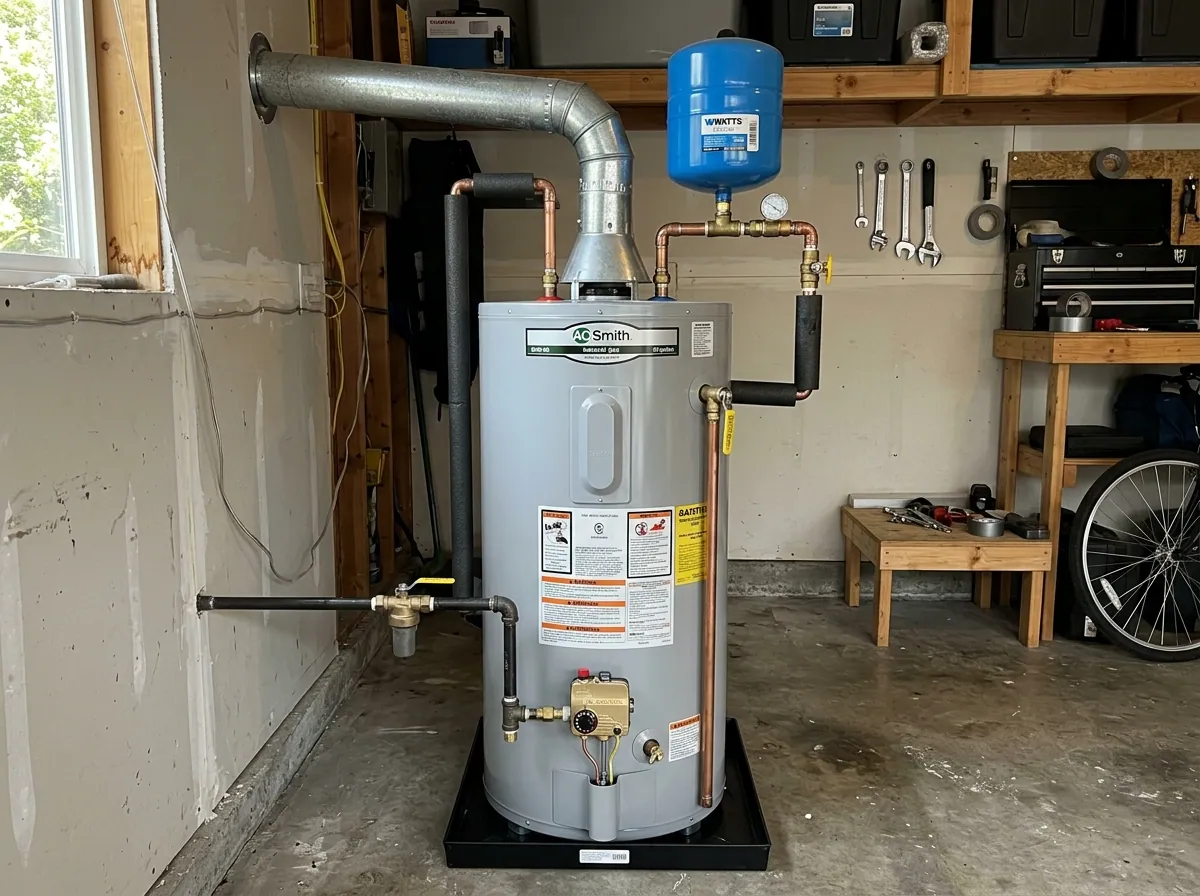
Gas storage water heaters are the most common systems in Long Beach single-family residences. They utilize natural gas combustion chambers, pilot lights or electronic spark igniters, and safety thermocouples to heat water stored in an insulated tank.
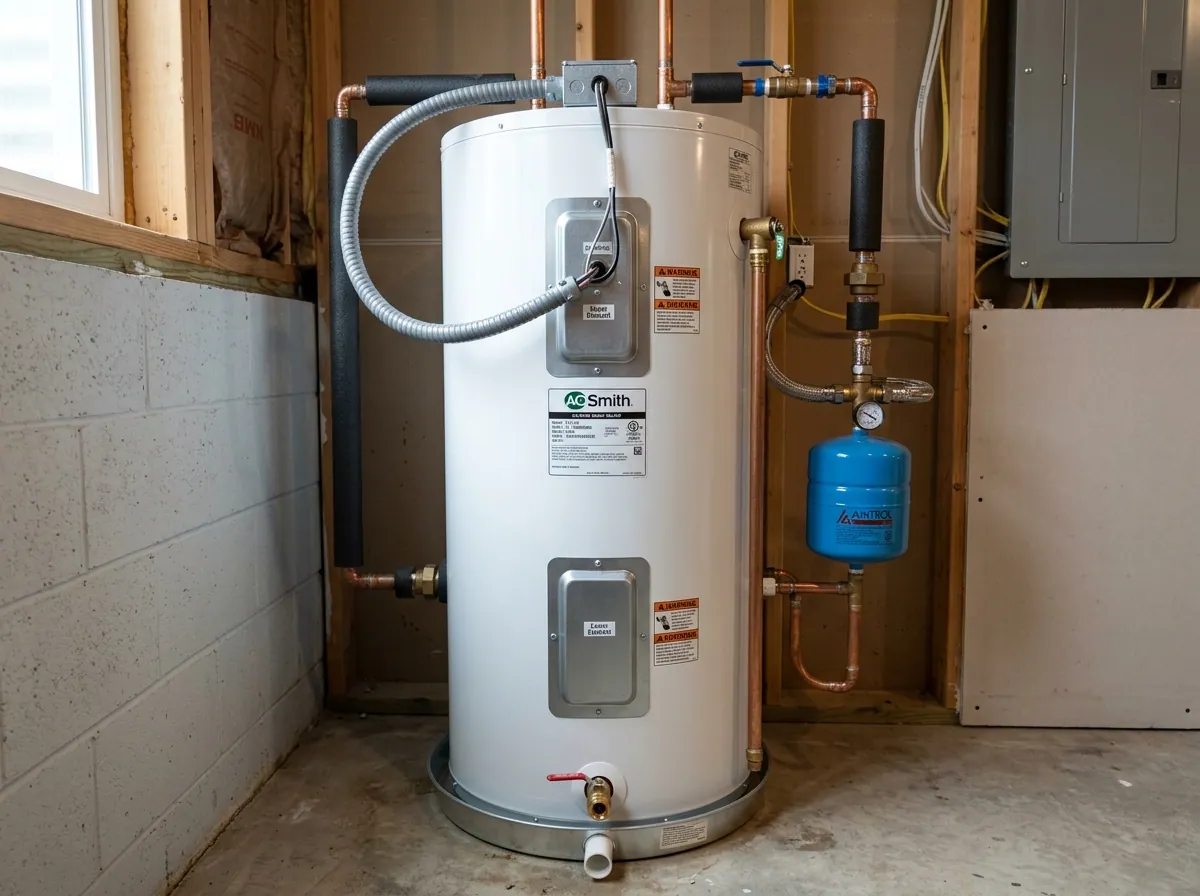
Electric water heaters operate on dedicated 240-volt circuits utilizing upper and lower immersion heating elements controlled by individual thermostats. Because they operate without gas venting, they are popular in Long Beach condominiums, apartments, and modern all-electric homes.
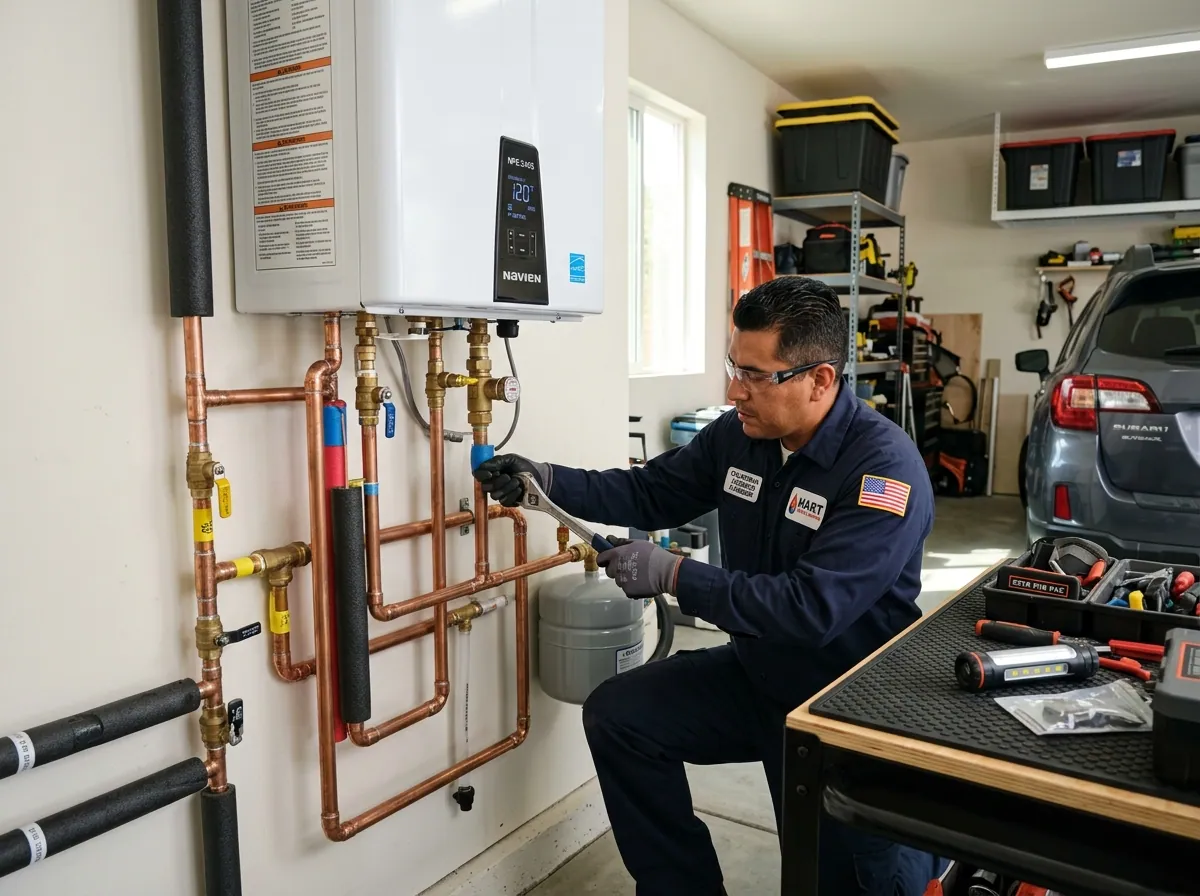
Tankless on-demand water heaters heat water continuously using high-output gas burners or electric heating arrays only when a hot water faucet opens. While highly energy-efficient, they require specialized diagnostic tools to interpret microcomputer error codes.
When hot water stops working, you need a straightforward, transparent resolution without unexpected surprises. From your initial phone call to the final safety check, our structured process ensures your system is evaluated and repaired correctly.
Call (562) 271-5637 to describe your water heater type (gas, electric, or tankless), observed symptoms, leak locations, and Long Beach address for prompt dispatch.
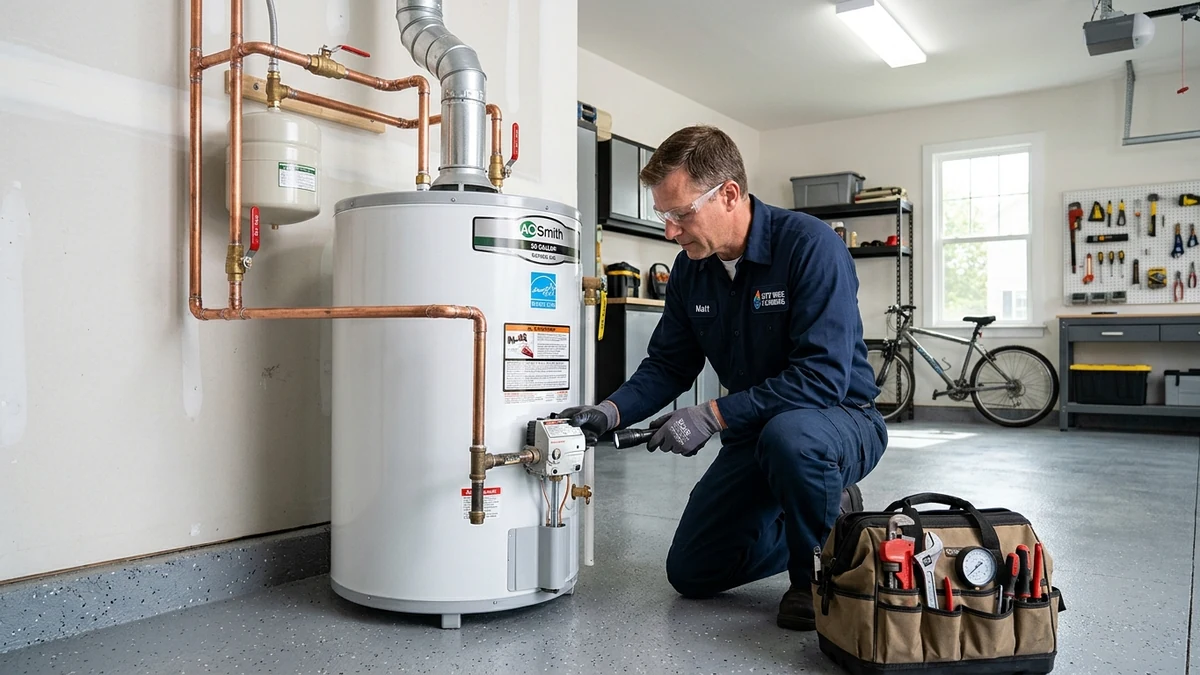
A qualified technician arrives on-site to inspect electrical continuity, gas supply pressure, pilot status, thermostat calibration, and physical tank integrity.
You receive an upfront explanation of the necessary fix. Upon approval, the technician replaces defective parts using manufacturer-approved components.
The technician performs combustion clearance, pressure relief testing, water temperature verification, and cleans up the workspace thoroughly.
Homeowners often wonder whether paying to fix an existing water heater is a wise investment or if replacing the unit is more economical in the long run. Professional technicians evaluate your water heater based on age, structural tank condition, repair frequency, and the established 50% cost rule.
Unsure which path is right for your home? Call (562) 271-5637 to discuss your water heater's age and symptoms with an experienced Long Beach professional.
Because every water heater problem involves distinct components, fuel sources, and site conditions, honest pricing requires evaluating several variables rather than relying on misleading "one-size-fits-all" flat-rate estimates over the web. Key factors that determine water heater repair costs in Long Beach include:
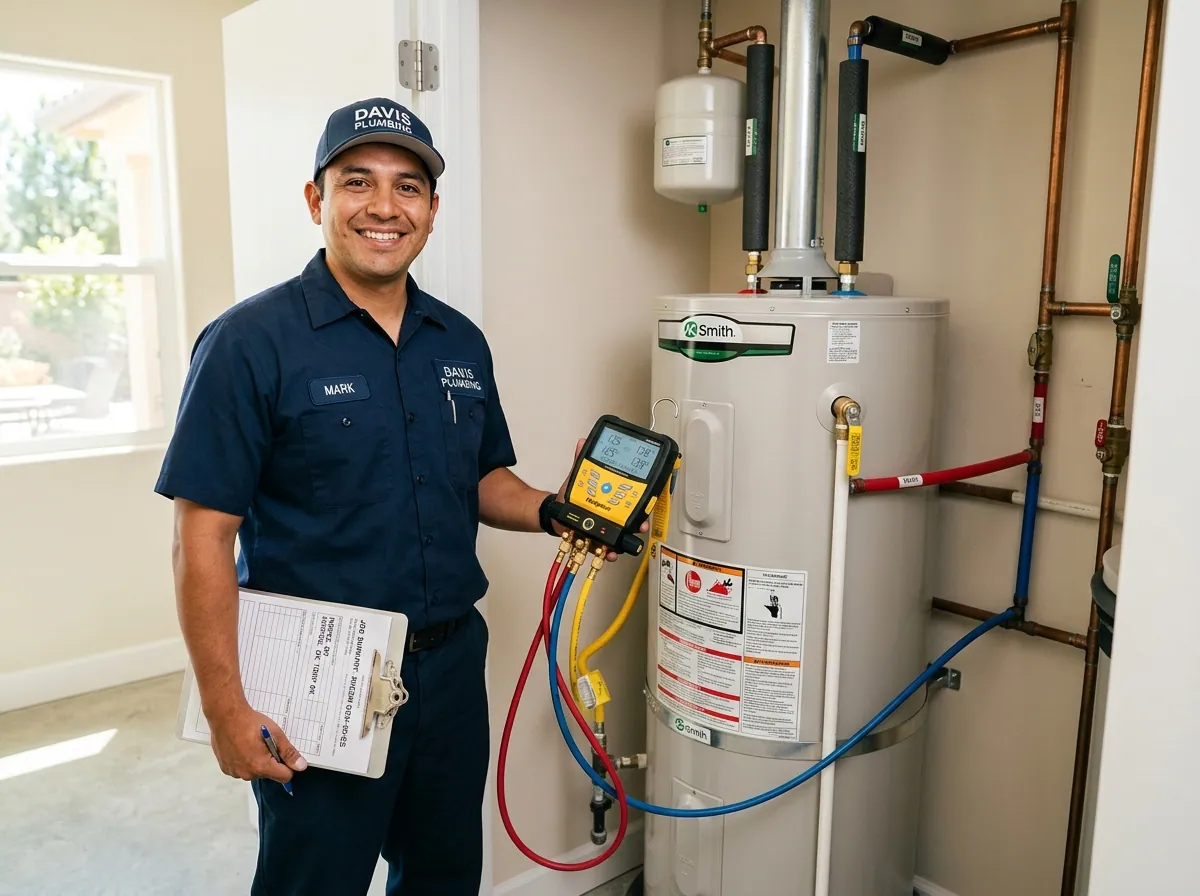
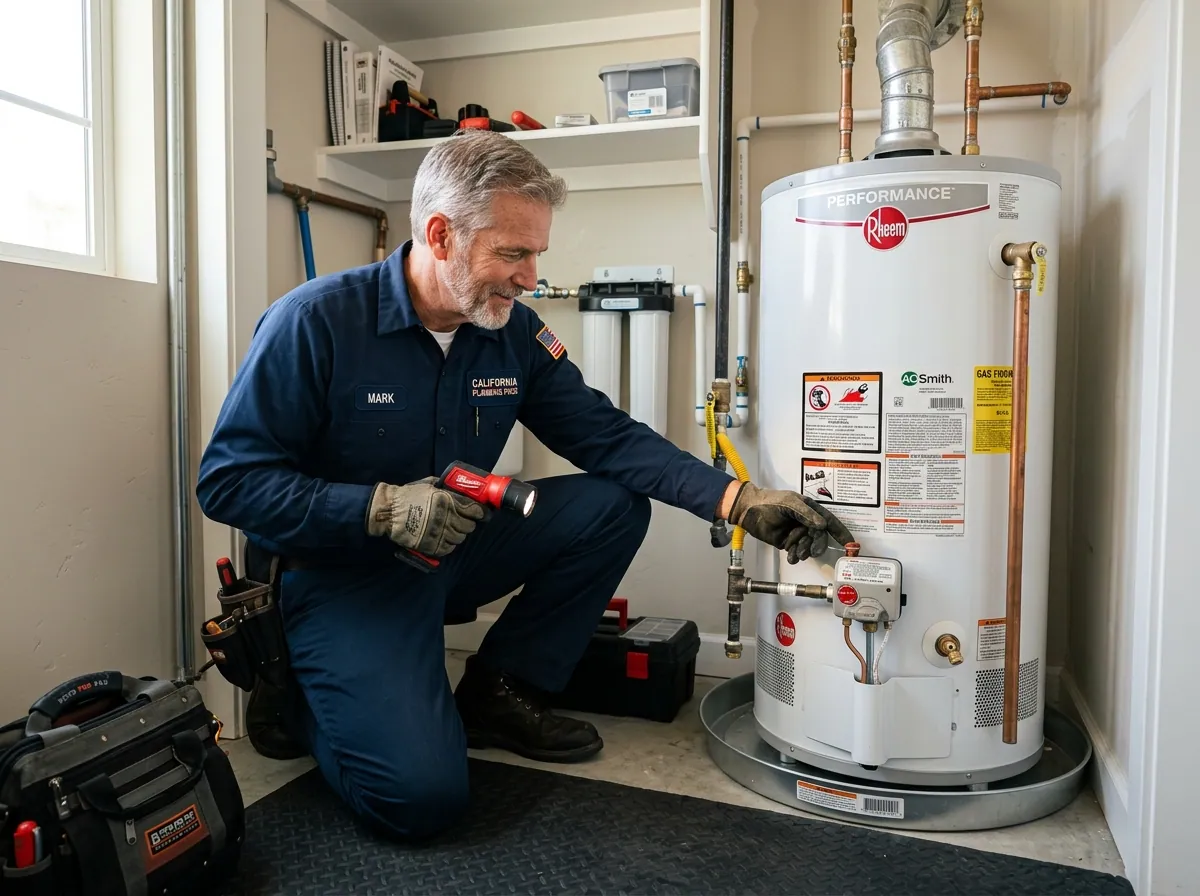
When a water heater stops heating or springs a leak, filling out long online contact forms and waiting hours for an email response is frustrating. Speaking directly over the phone provides immediate answers, rapid triage, and faster dispatch.
Describe what your water heater is doing—or not doing—and receive instant guidance on emergency shutoff valves and safe next steps.
Discuss diagnostic procedures, potential failure causes, and repair timeframes openly before scheduling an on-site visit.
Our referral network connects you with established professionals familiar with Long Beach building departments, coastal salt corrosion, and municipal water quality.
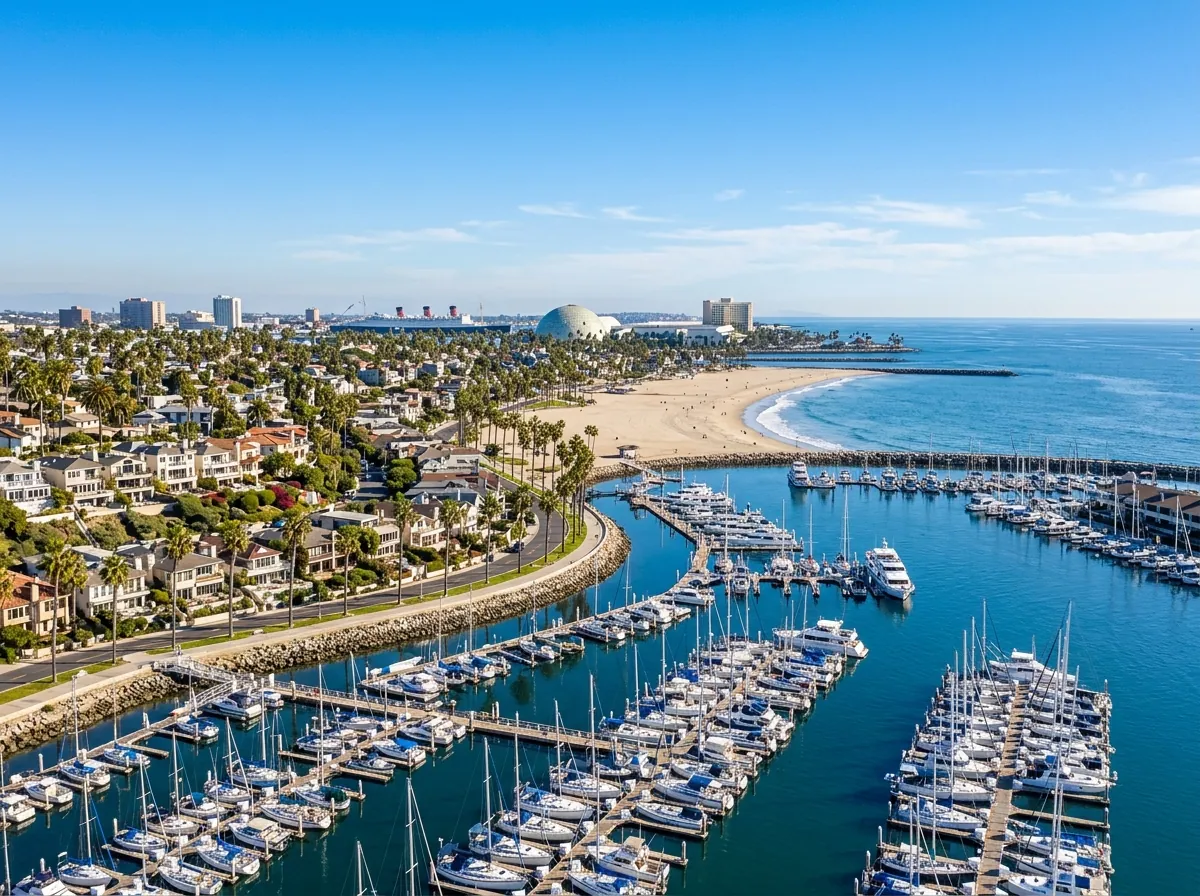
Operating in Long Beach requires an understanding of distinct coastal and regional environmental factors. Whether your residence is a historic Spanish bungalow in Belmont Shore, a mid-century home in Bixby Knolls, a waterfront property in Naples Island, or a condo in Downtown Long Beach, local technicians tailor water heater repairs to local conditions:
Long Beach's marine layer and salt-laden ocean air accelerate exterior metal oxidation. Outdoor water heater enclosures, exterior draft hoods, galvanized connection nipples, and copper plumbing lines frequently corrode faster than in inland Southern California communities. Local technicians inspect dielectric unions and exterior casings to prevent premature fitting failures.
Water distributed by the Long Beach Water Department blends groundwater aquifers with Metropolitan Water District supplies, averaging 120–180 mg/L (7–10 grains per gallon) of hardness minerals. Without regular flushes, dissolved calcium carbonate bakes into thick sediment blankets at tank bottoms, causing loud popping noises and burning out lower electric elements.
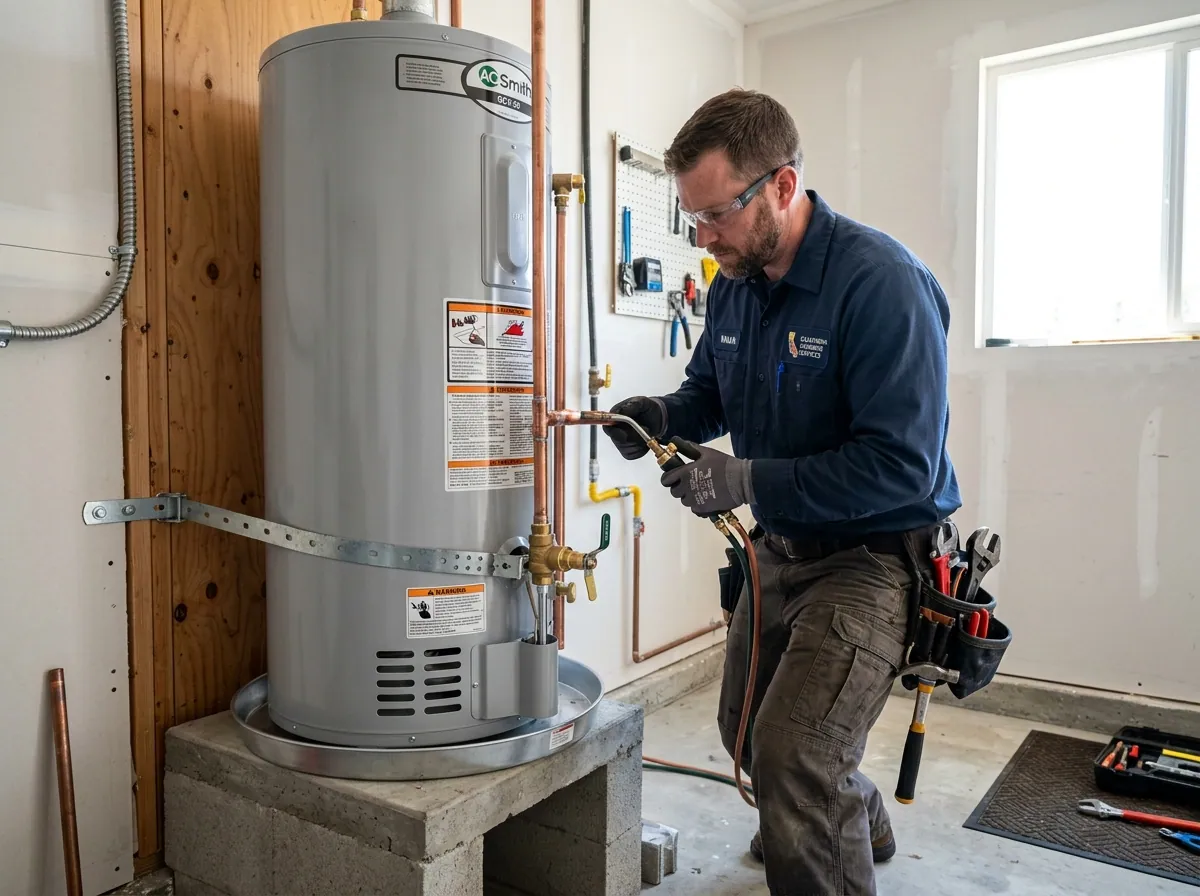
Located near active Southern California seismic zones, all water heater repair and installation work in Long Beach must strictly comply with California Title 24 seismic bracing requirements—mandating double earthquake strapping anchored securely into wall studs within the upper and lower thirds of the tank cylinder with 4-inch minimum clearances.
Under South Coast Air Quality Management District (SCAQMD) regulations, natural gas residential water heaters operated in the South Coast basin must meet strict Ultra-Low NOx emissions standards (less than 10 nanograms of NOx per Joule of heat output) to safeguard regional air quality.
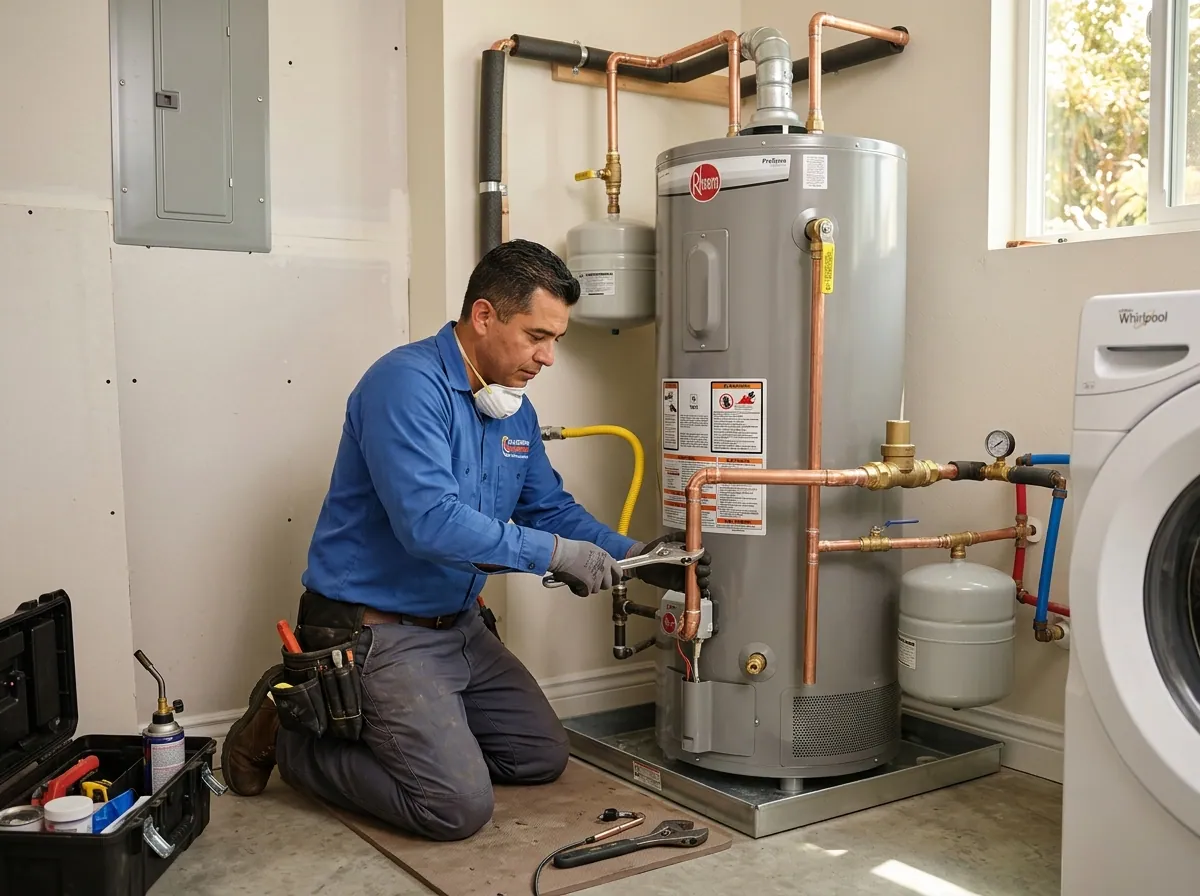
While repairs on pressurized potable water lines, gas supply piping, and high-voltage 240V electric circuits should always be handled by qualified professionals, homeowners can follow safe preventive maintenance practices to extend water heater lifespan and catch developing problems early.
Conduct a quick visual walk-around every month. Look for water droplets around the base of the tank, moisture seepage around upper pipe connections, or white powdery mineral crust (efflorescence) on fittings. Early leak detection prevents severe drywall and subfloor water damage.
Keep your thermostat dial set to 120°F (49°C), marked as the "Warm" or recommended setting on most gas control valves. Setting temperature higher than 125°F significantly increases scalding risks for children and seniors, accelerates mineral scale buildup, and increases monthly energy utility bills.
Locate the Temperature and Pressure (T&P) relief valve near the top of the tank. Ensure the discharge pipe extends downward toward the drain pan or exterior. Homeowners should verify there are no active drips or heavy mineral crust sealing the valve seat.
Due to Long Beach mineral water hardness, storage tanks accumulate several inches of sand-like calcium carbonate sediment each year. Scheduling an annual sediment flush drains out loose mineral deposits before they harden and insulate the bottom of the tank from the heat source.
The sacrificial anode rod is a magnesium or aluminum rod inside the tank that sacrifices itself to protect steel tank walls from corrosive galvanic attack. Having a technician inspect and replace this rod every 2 to 3 years can literally double the lifespan of your water heater.
Important Safety Warning: Never attempt DIY disassembly of gas control valves, gas supply lines, pilot burner orifices, or 240-volt electric heating elements. Tampering with pressurized combustible gas or high-voltage circuits creates severe risks of explosion, carbon monoxide poisoning, and electrical fire. Always call a qualified technician for repairs.
Read what Long Beach homeowners share about their diagnostic consultations and repair service referrals.
"Our gas water heater pilot kept clicking off every morning in Belmont Shore. I called the number, described the symptoms, and a local technician arrived that afternoon. He replaced the thermocouple, cleaned the burner, and had hot water running again in under an hour."
"We noticed water pooling beneath our water heater in Bixby Knolls. The technician tested the unit and found the temperature relief valve was seeping due to high thermal expansion pressure. He replaced the valve and installed an expansion tank. Very honest evaluation."
"Our tankless unit kept throwing an ignition error code after cold nights. The specialist performed a full acid descaling flush to clear hard water mineral deposits and replaced a dirty flame sensor. Unit has worked flawlessly since. Excellent local service!"
Get clear, factual answers to common homeowner questions regarding water heater troubleshooting, repair costs, and service in Long Beach, California.
Describe your water heater problem directly to a local specialist and discuss diagnostic options.
Call (562) 271-5637Looking beyond repairs? Learn more about replacement, complete new installations, and on-demand tankless upgrades.
Read our expert advice on troubleshooting, energy-saving tips, and repair vs. replacement decisions for Long Beach area homeowners.
Explore our in-depth diagnostic guides, code requirements, maintenance checklists, and cost breakdowns written specifically for Long Beach property owners.
Is your water heater running out of hot water in minutes? Learn how failed dip tubes, sediment accumulation, and faulty heating elements cause rapid heat loss.
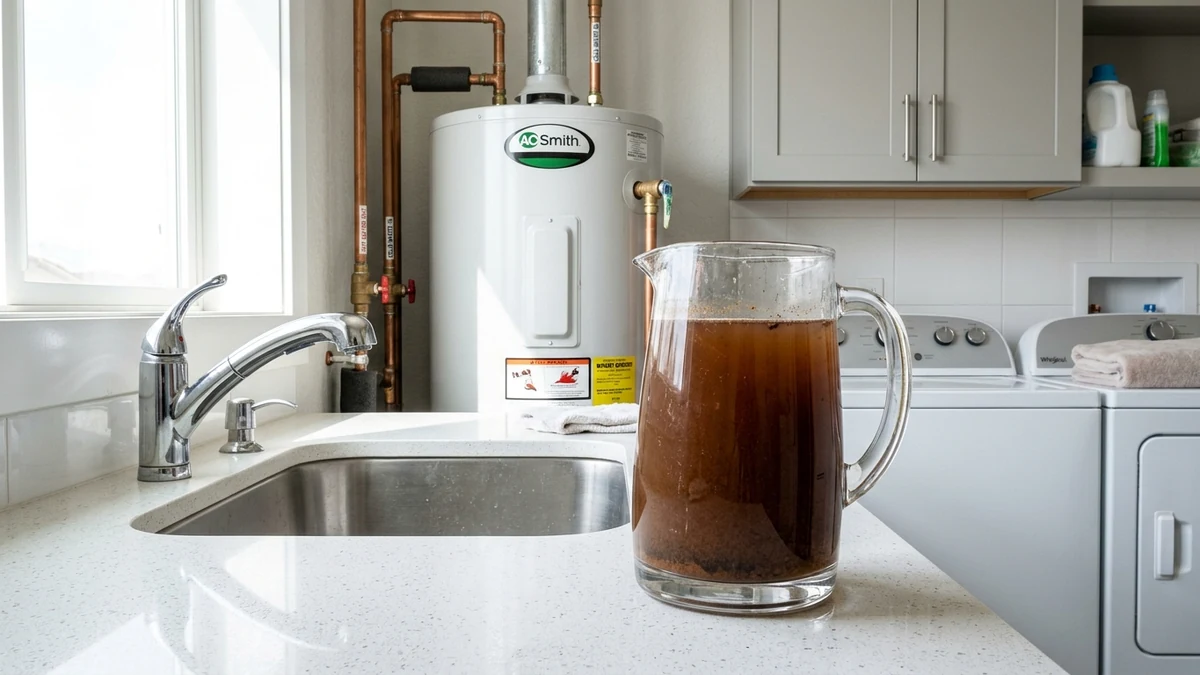
Discover why brown or discolored hot water flows from your taps in Long Beach, CA. Learn the differences between failing anode rods and structural tank corrosion.
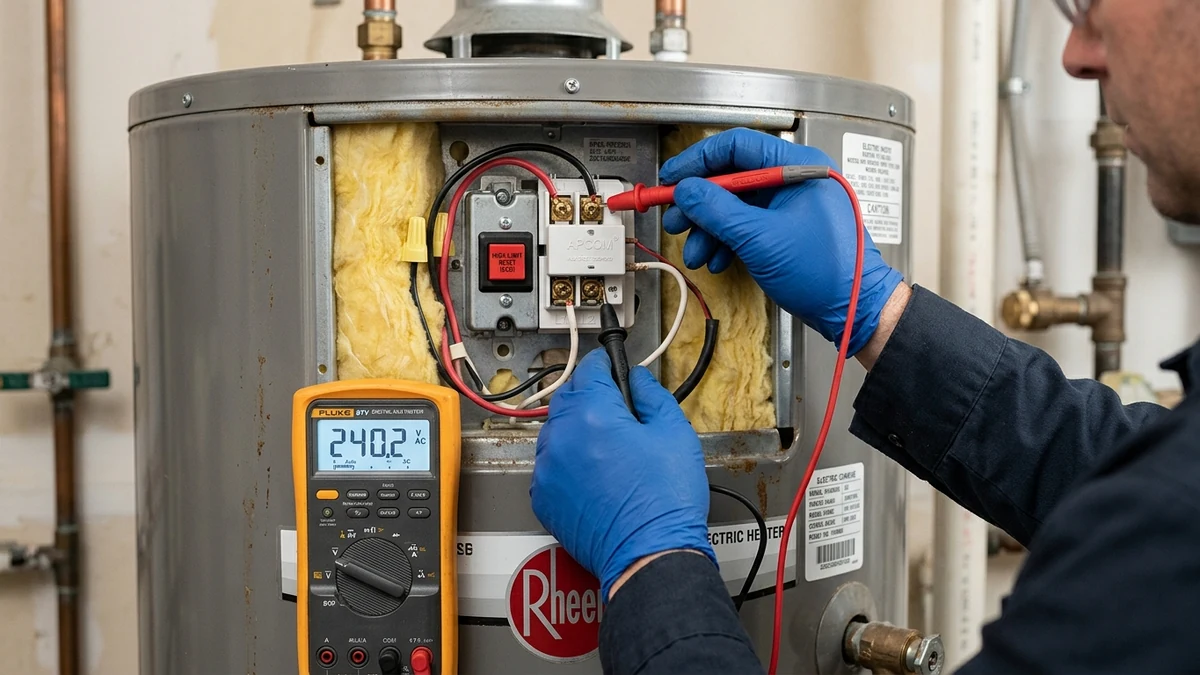
Inconsistent hot water or scalding temperatures? Review the key warning signs of a failed water heater thermostat and when to schedule repair.
Whether your water heater has stopped heating, is leaking from a valve, or is making alarming noises, speak with a knowledgeable professional to discuss your problem and schedule fast local service in Long Beach, California.
Direct Line: +1 (562) 271-5637 • Serving Long Beach, CA & Surrounding Coastal Areas