Installing a heat pump water heater requires specific physical and mechanical conditions: a minimum of 700 to 1,000 cubic feet of unconfined ambient air volume (or louvered doors/ducting), a dedicated 240-volt 30-amp electrical circuit (or newer 120V 15A dedicated circuit for plug-in models), a continuous gravity drain or condensate pump for acidic moisture discharge, adequate vertical ceiling clearance (typically 68 to 76 inches), and California Title 24 seismic double strapping.
Air Volume & Room Space Requirements (700+ Cu Ft)
Unlike standard tanks that simply sit in a closet, a heat pump water heater actively pulls ambient air through its evaporator coils and exhausts chilled air. To operate efficiently without choking on its own cold exhaust, manufacturers specify strict minimum air volume thresholds:
- Unconfined Space (700 to 1,000 cu ft): Standard two-car garages, large basements, or expansive utility rooms (e.g., 10ft x 10ft x 8ft ceiling = 800 cu ft) provide ample natural air circulation without requiring louvers or ducting.
- Confined Closet Installations: If installed inside an enclosed utility closet or laundry alcove under 700 cubic feet, the enclosure must feature fully louvered doors (providing at least 240 to 300 square inches of net free air transfer area) or an exterior intake/exhaust duct kit.
Electrical Panel Capacity: 240V 30A vs. 120V Dedicated
Most 240-volt hybrid heat pump water heaters require a dedicated 240-volt, 30-amp double-pole circuit breaker wired with 10/2 non-metallic (NM) copper cable. If replacing an existing 240V electric water heater, the existing electrical infrastructure is usually directly compatible.
However, if converting from natural gas to heat pump in an older Long Beach home (such as 1920s–1950s homes in Belmont Heights, Rose Park, or Bixby Knolls), your main electrical service panel may only have 100-amp service. In these situations, options include:
- Upgrading the main service panel to 200 amps to support complete home electrification.
- Utilizing a newer 120-volt 'plug-in' heat pump water heater that operates on a dedicated 15-amp standard outlet using pure compressor technology without requiring high-amp panel upgrades.
Condensate Drain Lines: Gravity vs. Condensate Pumps
Because the evaporator coils dehumidify ambient air as they harvest heat, heat pump water heaters produce continuous liquid condensate during heating cycles—typically 1 to 3 gallons of moisture per day in coastal Long Beach humidity.
Building codes prohibit discharging condensate onto garage slabs or into crawlspaces. Installers must provide one of two drainage pathways:
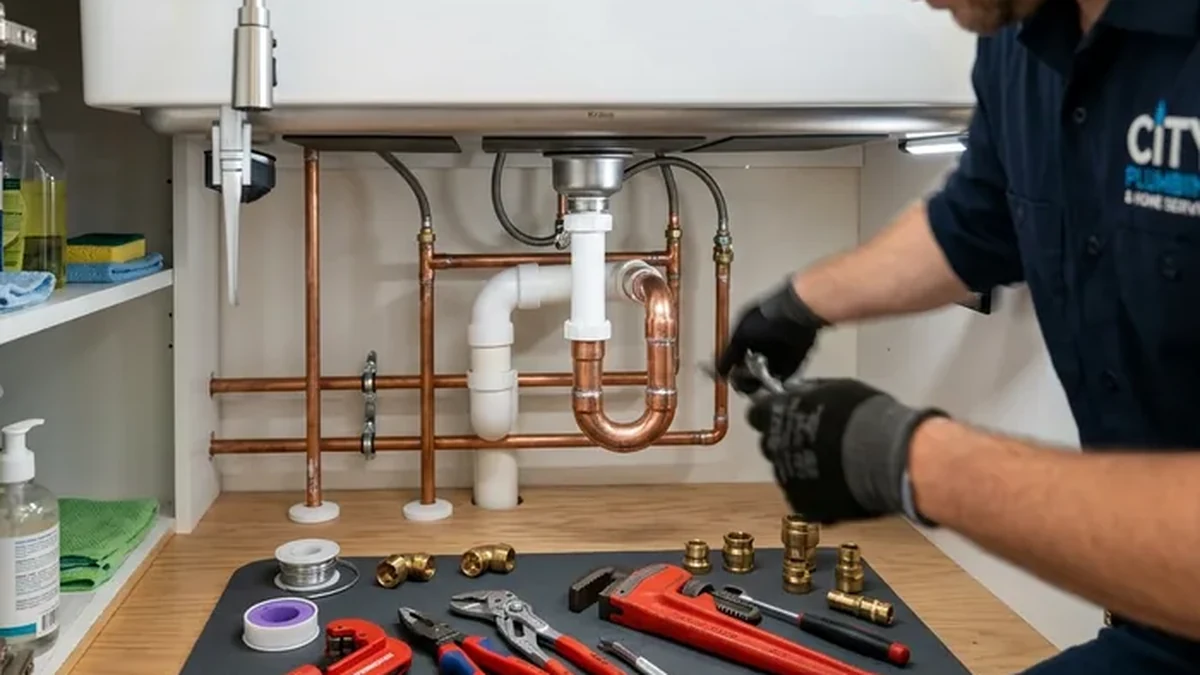
- Gravity Drain: A dedicated 3/4-inch PVC line sloped downward toward an exterior flowerbed, yard drain, or indoor floor drain.
- Automatic Condensate Pump: If the unit is installed below outdoor grade or far from exterior walls, an electric condensate pump with a float switch lifts drainage water through flexible vinyl tubing into a nearby standpipe or laundry sink drain.
Height Clearance, Seismic Strapping & Ducting Kits
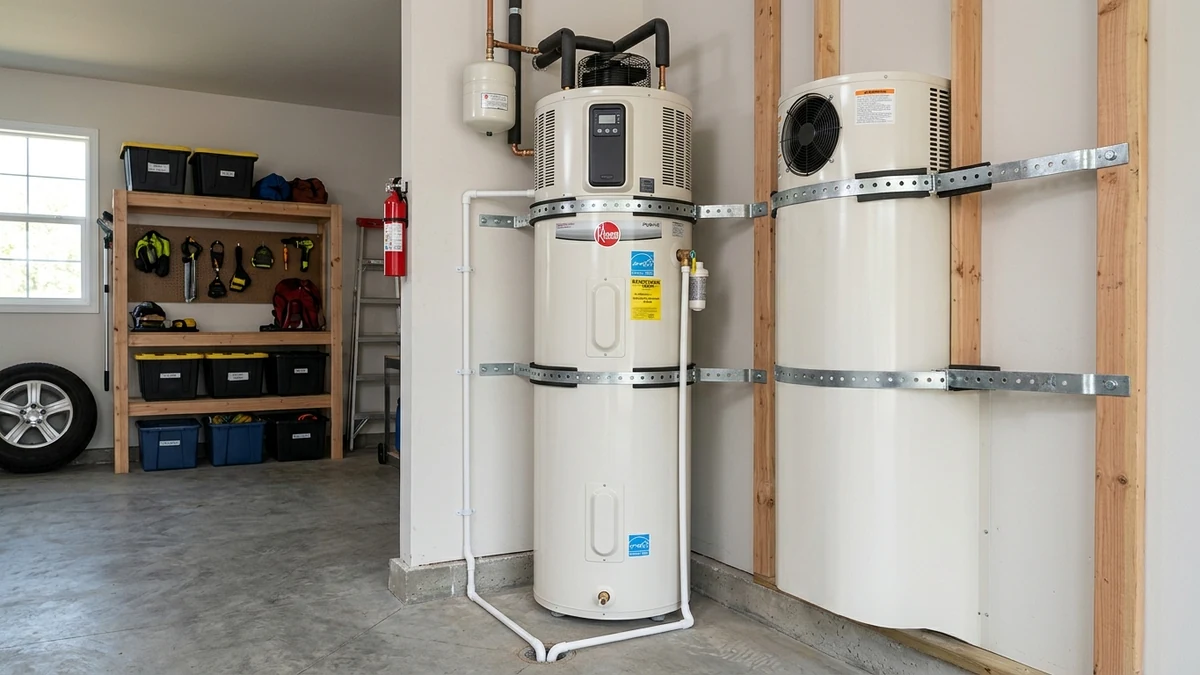
Heat pump water heaters are taller than conventional tanks because the entire compressor assembly, fan motor, and electronic filter rest on top of the storage cylinder. A typical 50-gallon heat pump stands between 68 and 73 inches tall, while an 80-gallon model can reach 78 inches.
Installers must ensure at least 12 to 18 inches of overhead clearance above the top of the unit to allow access for annual air filter cleaning and compressor servicing. In low-ceiling garage platforms or underneath stairs, measuring overhead ductwork and joist clearance before purchase is imperative.
Seismic Double Strapping Mandate
Under California Plumbing Code Section 507.2 and City of Long Beach seismic safety ordinances, every water heater must be securely anchored to wall studs using two heavy-gauge steel earthquake straps—one in the upper third and one in the lower third. With heat pump water heaters, upper straps must be positioned carefully below the compressor casing to avoid pinching internal refrigerant tubing or electrical harnesses.
California Title 24 & Long Beach Municipal Permitting
In California, installing a heat pump water heater requires a formal plumbing and electrical permit issued by the City of Long Beach Development Services Department. California Title 24 Part 6 Energy Standards require:
- NEEA Advanced Water Heating Specification Tier 3 or Tier 4 compliance.
- Full R-6 pipe insulation on all hot and cold water distribution pipes within the first 5 feet of the appliance.
- A fully functional thermostatic mixing valve if storage temperatures are set to 135°F–140°F for bacterial prevention and extended effective capacity.
- Final city inspection sign-off to ensure complete electrical grounding, seismic restraint, and pressure relief valve discharge compliance.
Frequently Asked Questions
Can a heat pump water heater be installed in an outdoor closet in Long Beach?
Yes, provided the exterior closet is fully protected against direct wind-driven rain, features adequate ventilation louvers to maintain ambient airflow, and complies with manufacturer outdoor temperature ratings.
What happens if a heat pump water heater doesn't get enough air?
If confined in a tight unventilated closet, the heat pump quickly exhausts all available heat in the room. The space drops to refrigerator temperatures (35°F to 40°F), causing the compressor to freeze up or trigger inefficient electric backup resistance heating.
How often do the air filters on a heat pump water heater need to be cleaned?
Manufacturers recommend inspecting and rinsing the washable mesh air filter located on top of the evaporator coil once every 3 to 6 months to maintain unrestricted airflow and peak heating efficiency.
Need Help With Your Water Heater?
Whether you are dealing with hot water loss, diagnosing a strange noise, or planning an energy-efficient upgrade, our certified local plumbing partners across Long Beach, CA are on standby for prompt telephone dispatch.