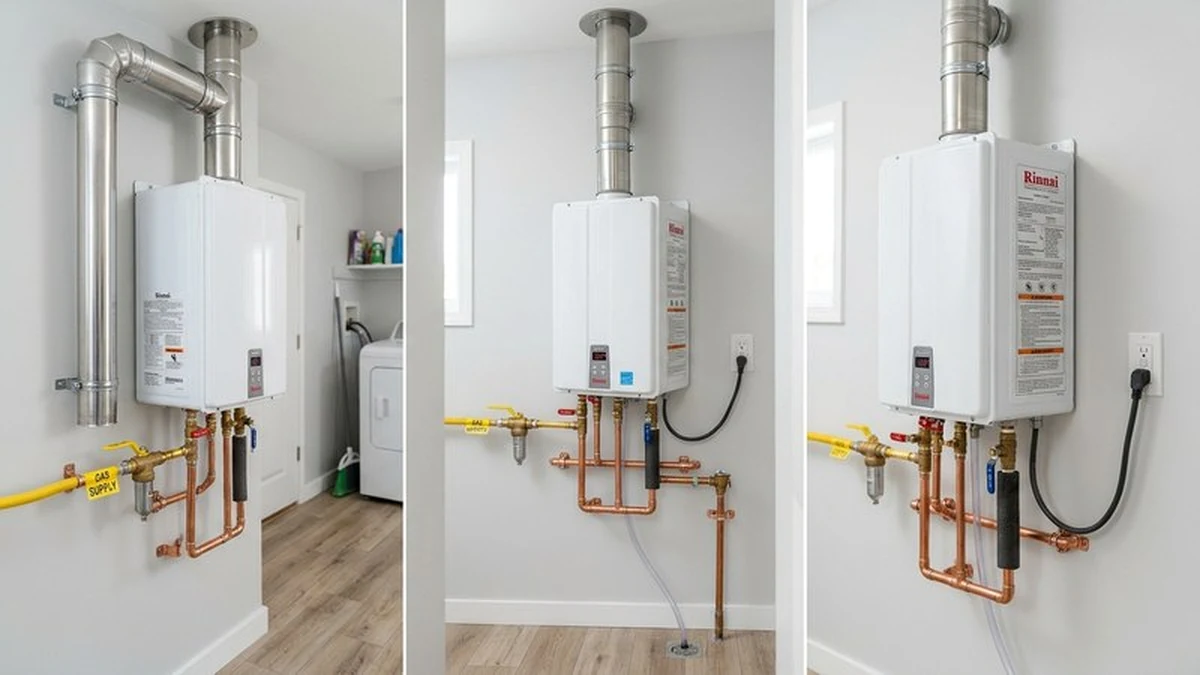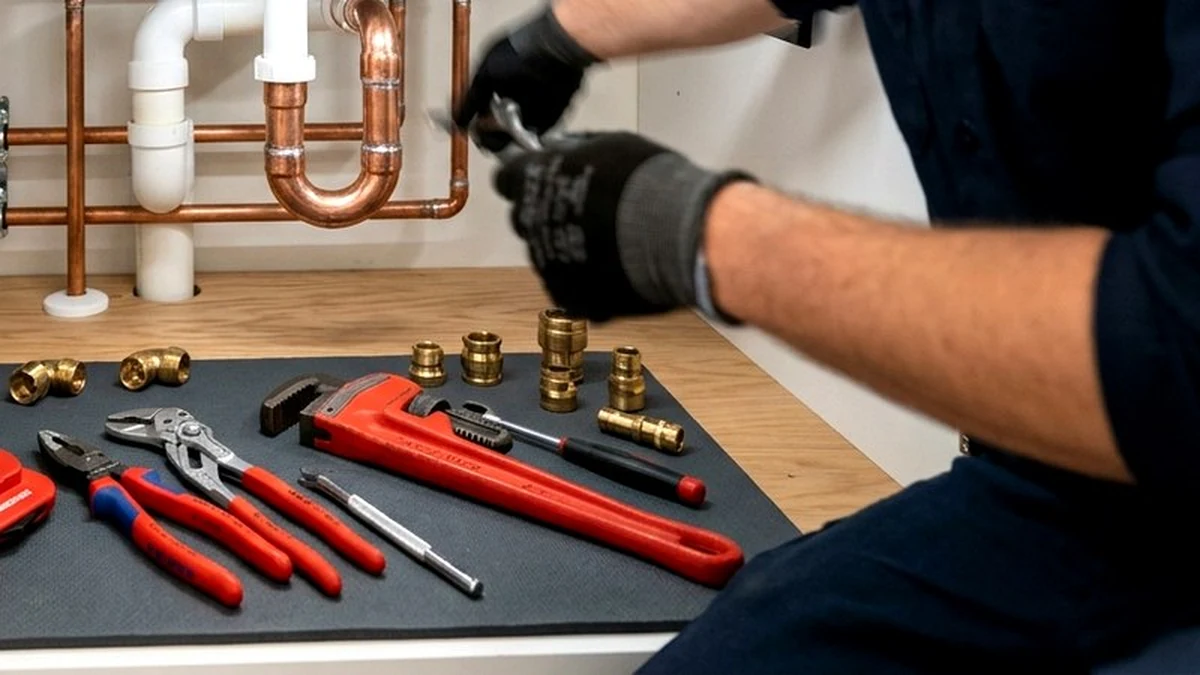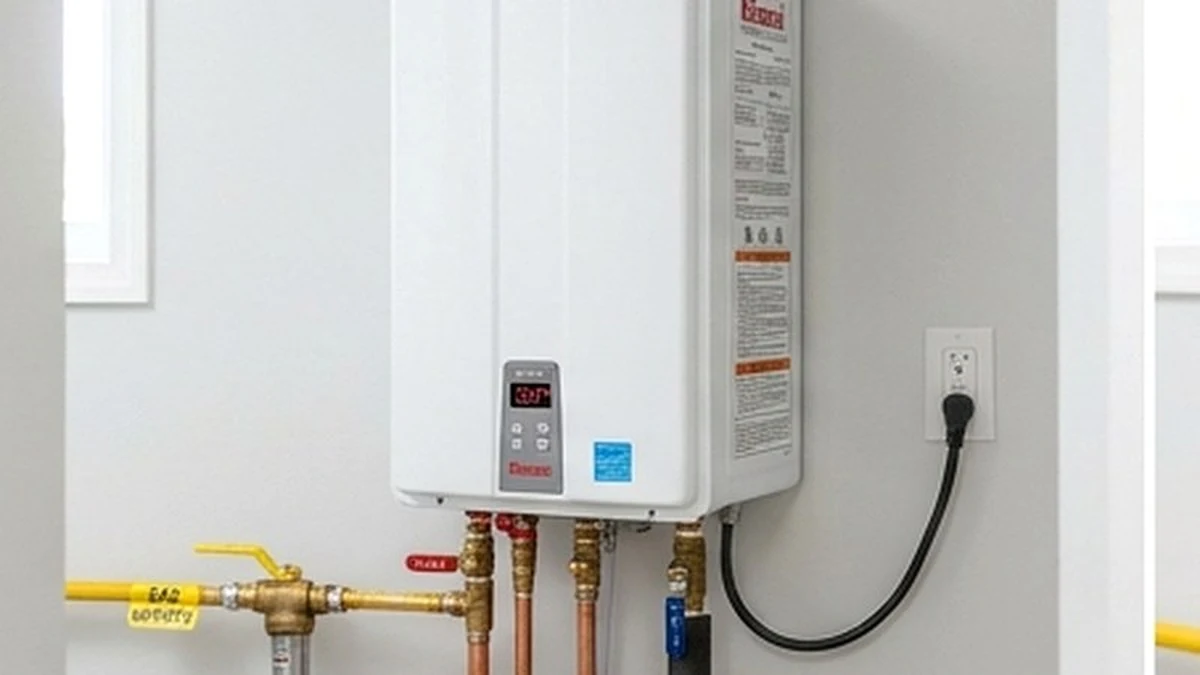
A tankless water heater that starts heating but abruptly shuts off mid-shower is most commonly experiencing low water flow below the minimum activation threshold (0.4–0.5 GPM), mineral scale buildup causing heat exchanger overheating, a corroded flame sensor rod failing to detect combustion, an undersized gas supply line starving the burner at peak demand, or a blocked exhaust venting system triggering backpressure safety switches.
- The Minimum Flow Rate (GPM) Threshold
- Heat Exchanger Overheating & High-Limit Cutoffs
- Flame Sensor Dropout: Oxide Coating on Flame Rods
- Gas Supply Pressure Drops During Peak Combustion
- Venting Restrictions & Condensate Line Traps
- Diagnostic Checklist & Professional Solutions
- Frequently Asked Questions
The Minimum Flow Rate (GPM) Threshold
Unlike tank water heaters that maintain 50 gallons of standing hot water regardless of faucet activity, a tankless unit activates only when water actively moves through its internal turbine flow sensor. Most residential tankless models have a minimum activation flow rate between 0.4 and 0.6 gallons per minute (GPM).
If you take a shower while using a water-saving low-flow showerhead, or if you mix in too much cold water to temper a hot shower, the flow of hot water through the heater may drop below 0.4 GPM. The flow sensor immediately signals the computer that water has stopped, cutting the gas burner and delivering a blast of ice-cold water—a phenomenon known as the 'cold water sandwich'.
Heat Exchanger Overheating & High-Limit Cutoffs
A second major reason for sudden shutdowns is internal thermal protection. In Long Beach, municipal water delivers high mineral hardness (averaging 12 to 16 grains per gallon). Over 1 to 2 years of continuous operation, dissolved calcium and magnesium bake onto the internal copper tube walls of the heat exchanger.
This mineral scale creates thermal resistance. To heat the water passing through the narrowed tubes, the burner must fire hotter. When internal temperatures exceed 185°F to 195°F, high-limit thermal fuses or outlet temperature thermistors trigger an instant safety shutdown to prevent copper tube ruptures.
Flame Sensor Dropout: Oxide Coating on Flame Rods
The flame sensor (flame rod) sits directly in the path of the burner flames, constantly generating a tiny micro-ampere electrical signal (0.8 to 4.0 µA) that confirms clean, stable combustion. When coastal marine salt air and combustion byproducts react with the metal probe, an insulating layer of white silica or black carbon forms over the sensor.
When the shower starts, the rod provides enough signal to ignite. But as the burner ramps up to full modulation, the signal degrades below the PCB threshold. The computer assumes the flame has blown out and cuts gas within 3 to 10 seconds to eliminate explosion hazards.
Gas Supply Pressure Drops During Peak Combustion
A high-capacity tankless water heater requires an enormous instantaneous volume of fuel—typically drawing between 150,000 and 199,000 BTUs per hour when operating at peak winter flow. In older Long Beach homes where original 1/2-inch gas piping was designed for 40,000 BTU storage tanks, the system suffers from gas starvation.
When you turn on a second faucet or when your home furnace cycles on, manifold gas pressure drops below the required 5.0 to 10.5 inches water column (W.C.). The tankless unit starves for fuel, stutters, and trips an ignition or flame failure code.
Venting Restrictions & Condensate Line Traps
Modern direct-vent tankless water heaters utilize sealed intake and exhaust pipes. Differential air pressure switches continuously monitor combustion chamber airflow. Sudden shutdowns can occur due to:
- Exhaust Flue Blockage: Windblown debris, leaves, or bird nests obstructing the exterior termination hood.
- Clogged Condensate Trap: In high-efficiency condensing units, acidic exhaust condensate drains through a dedicated internal trap. If the trap backs up with sediment, a water level safety switch trips to prevent water from entering the blower fan.
Diagnostic Checklist & Professional Solutions
Diagnostic Checklist for Shutting-Off Units
- Clean Cold Water Inlet Filter: Shut off cold water isolation valve, unscrew the cylindrical mesh filter at the bottom right of the heater, rinse out sand and debris, and reinsert.
- Check Flow Rates: Open multiple hot water taps simultaneously; if the heater stays running under higher flow, your low-flow showerhead is dropping below activation thresholds.
- Professional Descaling Flush: Have a certified technician circulate 4 gallons of food-grade descaling solution through the unit for 60 to 90 minutes.
- Gas Manifold Pressure Test: Have a technician connect a digital manometer to verify dynamic gas supply pressure under maximum load.
Frequently Asked Questions
Why does my tankless water heater shut off only in the shower?
Showers typically use single-handle pressure-balanced mixing valves and water-saving showerheads (1.5–1.8 GPM). When you adjust the handle to warm, the hot water flow can easily dip below the tankless unit's 0.4 GPM threshold, shutting down the burner.
What is a 'cold water sandwich'?
A cold water sandwich occurs when someone turns a hot tap off and on quickly. The heater stops firing immediately, leaving a small volume of unheated cold water in the pipe between two heated volumes, resulting in a sudden burst of cold water midway through your shower.
How do I know if my tankless water heater is overheating?
An overheating unit typically displays error codes like 14, 16, or LC, emits a loud whistling or kettle-boiling sound from the heat exchanger, and shuts down within 2 to 5 minutes of continuous operation.
Need Help With Your Water Heater?
Whether you are dealing with hot water loss, diagnosing a strange noise, or planning an energy-efficient upgrade, our certified local plumbing partners across Long Beach, CA are on standby for prompt telephone dispatch.