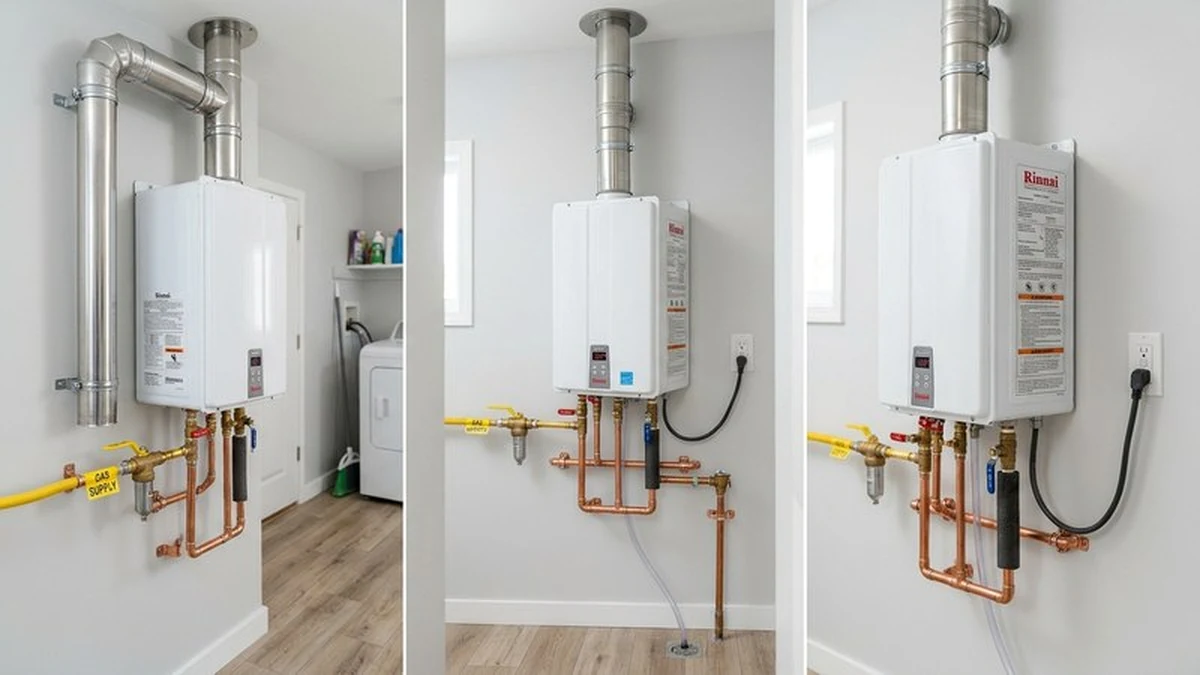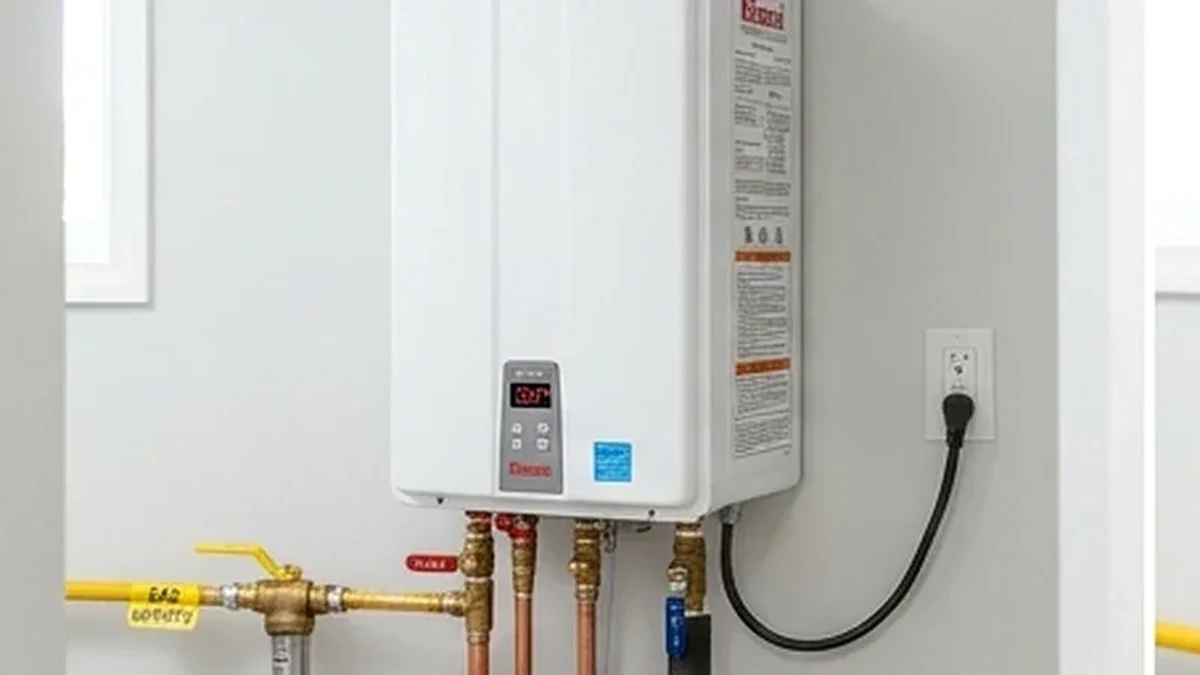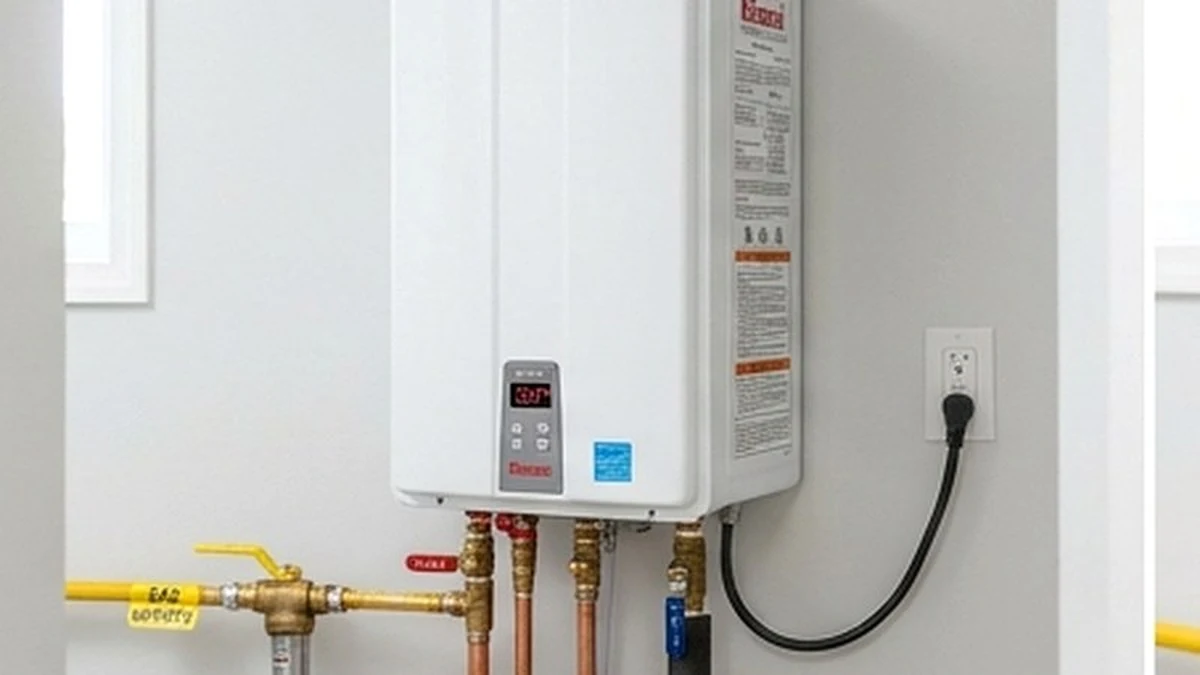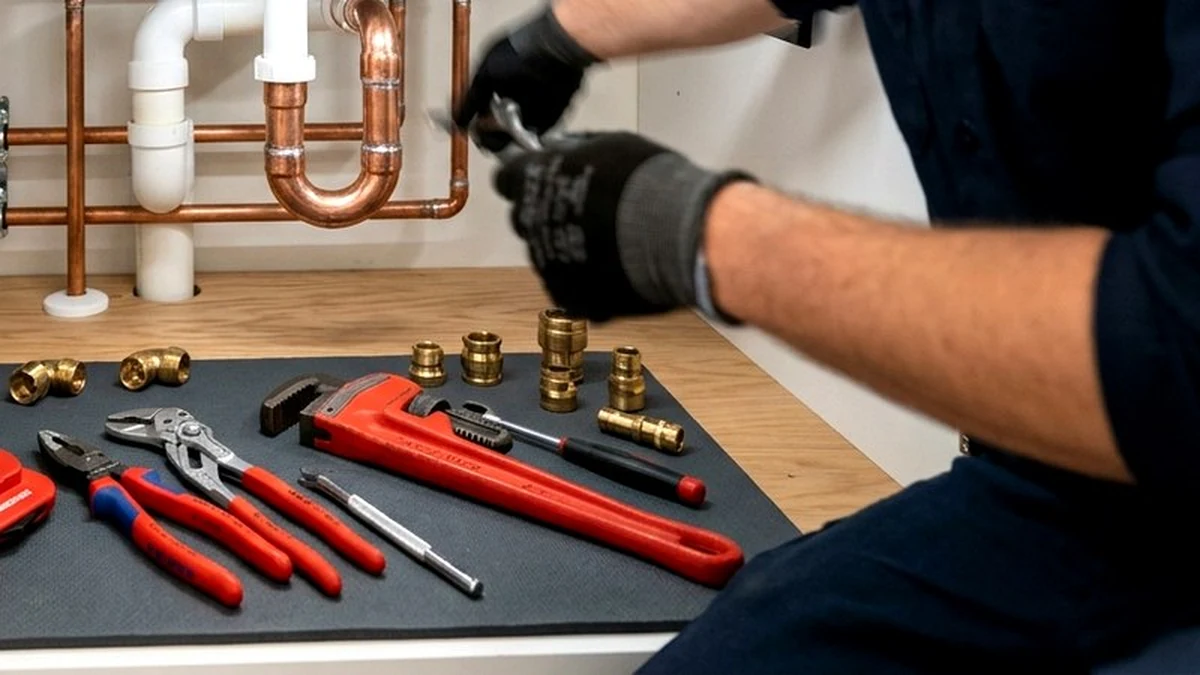
When a tankless water heater produces lukewarm or warm water rather than full-temperature hot water, the primary causes include exceeding the unit's maximum Flow Rate (GPM) capacity for the incoming groundwater temperature, a defective or uncalibrated water temperature control valve, mineral scale insulating the copper heat exchanger, an improperly set digital controller thermostat, or a failed cross-connection in a single-handle shower mixing valve blending cold water into the hot water supply lines.
- Temperature Rise vs. Flow Rate Capacity (The GPM Equation)
- Cross-Connection Plumbing: The Hidden Shower Valve Culprit
- Mineral Scale Build-Up Restricting Thermal Heat Transfer
- Cold Water Inlet Screen Blockages & Internal Water Servos
- Digital Controller Settings & High-Temp Commercial DIP Switches
- Step-by-Step Diagnostic & Resolution Protocol
- Frequently Asked Questions
Temperature Rise vs. Flow Rate Capacity (The GPM Equation)
A tankless water heater has a finite heating capacity governed by its BTU burner rating. The temperature of the hot water delivered depends entirely on the Temperature Rise (Delta-T)—the difference between the incoming cold groundwater temperature and your desired setpoint.
In Long Beach, incoming winter groundwater can drop to 55°F. If your wall controller is set to 120°F, the unit must generate a 65°F temperature rise. A 199,000 BTU unit that can produce 9.5 GPM in the summer may only produce 5.0 to 5.5 GPM in the winter. If your household runs two showers (4.0 GPM), a washing machine (2.5 GPM), and a dishwasher simultaneously, total demand exceeds heating capacity, forcing the unit to deliver lukewarm water across all fixtures.
Cross-Connection Plumbing: The Hidden Shower Valve Culprit
Frequently, when Long Beach homeowners complain that their tankless heater produces only lukewarm water, the tankless heater itself is working flawlessly! The actual culprit is a cross-connection in a single-handle cartridge valve inside a shower, bathtub, or commercial pre-rinse sink faucet.
Inside a single-handle faucet, internal rubber O-rings separate pressurized cold water (60–75 PSI) from the hot water line. When the cartridge wears out, high-pressure cold water continuously leaks across the internal bridge into the hot distribution pipe, tempering the hot water downstream before it ever reaches the showerhead.
How to Test for a Cross-Connection
Go to your tankless water heater while hot water is running lukewarm at a distant shower. Check the digital temperature readout on the tankless unit's display. If the heater reads 120°F, and the copper pipe exiting the top of the heater is scalding hot to the touch, you have a cold-water cross-connection inside a fixture cartridge—not a broken water heater.
Mineral Scale Build-Up Restricting Thermal Heat Transfer
Because tankless water heaters pass water through compact, narrow copper or stainless steel heat exchanger coils, they are particularly susceptible to hard water mineral crystallization. In Long Beach, municipal water delivers moderate to severe hardness (12–16 grains per gallon).
A layer of calcium carbonate just 1/16th of an inch thick inside the heat exchanger reduces thermal heat transfer efficiency by up to 15% to 20%. The gas burner may burn at full capacity, but the insulating limestone barrier prevents combustion heat from reaching the water stream, leaving water noticeably lukewarm.
Cold Water Inlet Screen Blockages & Internal Water Servos
Every tankless water heater features a removable cylindrical mesh filter located on the cold water inlet supply union. In coastal areas with occasional municipal pipe flushing or sediment, this fine mesh filter catches sand, rust flakes, and pipe debris.
When the screen becomes clogged, water velocity drops. Modern condensing units feature an internal motorized water flow servo valve and cold-water bypass line that modulate to stabilize temperature. When debris clogs internal passageways or confuses the electronic servo motor, cold bypass water mixes disproportionately into the supply stream.
Digital Controller Settings & High-Temp Commercial DIP Switches
For household scald prevention, residential tankless water heaters leave the factory with default maximum setpoint limits of 120°F (49°C). In homes with long plumbing distribution runs (such as two-story residences in Naples Island or large estate properties in Lakewood/Bixby Knolls), water loses 3°F to 8°F traveling through uninsulated pipes inside walls or crawlspaces.
Licensed technicians can adjust internal DIP switches or programmable circuit board parameters to safely increase the temperature cap to 125°F or 130°F, ensuring water arrives at distant bathroom fixtures hot and steaming.
Step-by-Step Diagnostic & Resolution Protocol
Follow this systematic procedure to resolve lukewarm water output:
- Check the Digital Wall Display: Verify that the temperature setpoint is set to at least 120°F–125°F, and that the 'in-use' flame icon is solidly lit when hot water is flowing.
- Perform the Single-Faucet Flow Test: Turn off all fixtures except one bathroom sink faucet. If water reaches full temperature when only one tap runs, your household demand is simply exceeding the unit's maximum winter GPM capacity.
- Inspect and Rinse the Cold Inlet Screen: Isolate the unit, unscrew the filter plug, flush out accumulated sediment, and reassemble.
- Schedule a Professional Descaling Flush: Circulate food-grade descaler through the isolation service valves to dissolve calcium scale and restore 100% heat transfer.
Frequently Asked Questions
Why does my tankless water heater get warm but not hot in the winter?
In winter, incoming municipal groundwater drops from 70°F to 55°F. To achieve 120°F, the heater must perform a 65°F temperature rise. If your hot water flow rate exceeds the burner's maximum winter BTU capacity, the water passing through will be lukewarm.
Can a bad shower valve make my tankless water heater lukewarm?
Yes. A failed pressure-balancing cartridge inside a single-handle shower valve allows cold water to cross over into the hot line, diluting the hot water supply even when the tankless unit is operating perfectly.
What temperature should a tankless water heater be set to?
Most residential tankless manufacturers recommend 120°F for optimal energy efficiency and scald protection. If your home has long pipe runs or uninsulated crawlspace plumbing, 125°F is commonly preferred.
Need Help With Your Water Heater?
Whether you are dealing with hot water loss, diagnosing a strange noise, or planning an energy-efficient upgrade, our certified local plumbing partners across Long Beach, CA are on standby for prompt telephone dispatch.